When you hear Turkish bath, you might picture steam, soap, and scrubbing - but there’s so much more beneath the surface. A Turkish bath, or hammam, isn’t just a spa treatment. It’s a centuries-old ritual that blends hygiene, relaxation, and social connection. If you’ve tried a Moroccan bath in Dubai and wondered how it compares, or if you’re curious what really goes on inside one, this guide breaks it all down - no fluff, just real details from people who’ve been there.
Understanding the Basics of Turkish Bath
Origins and History
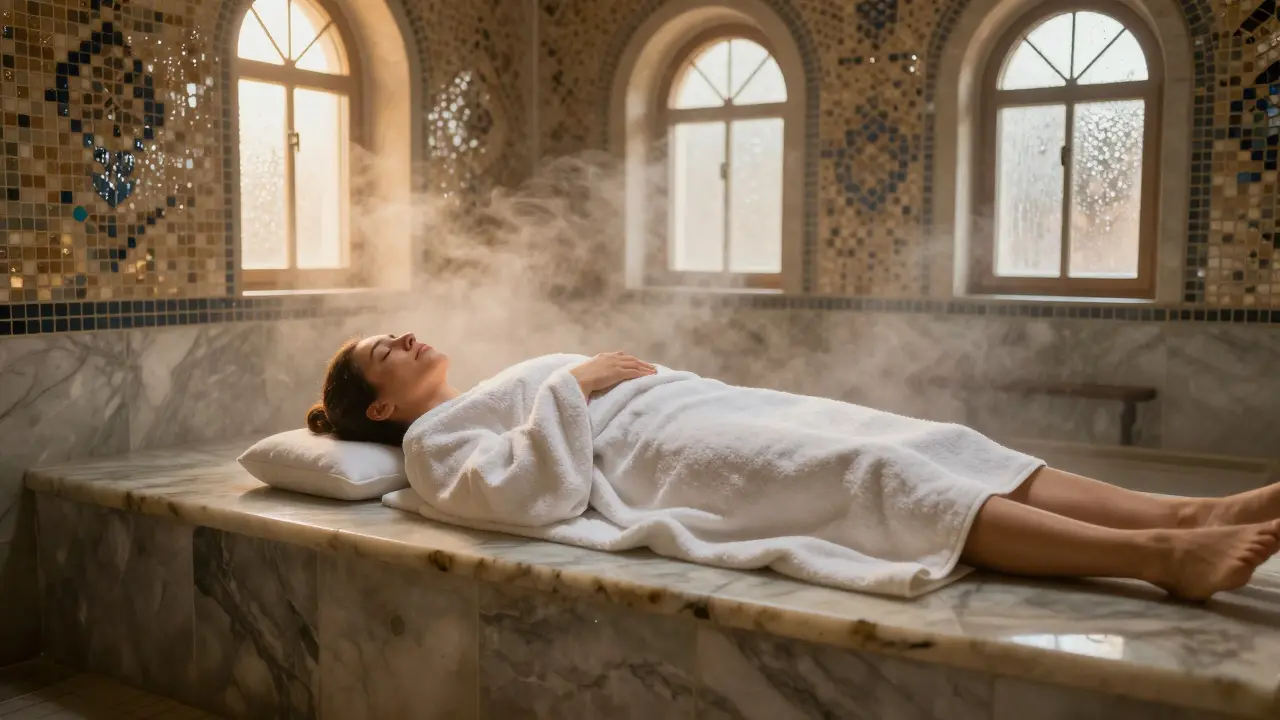
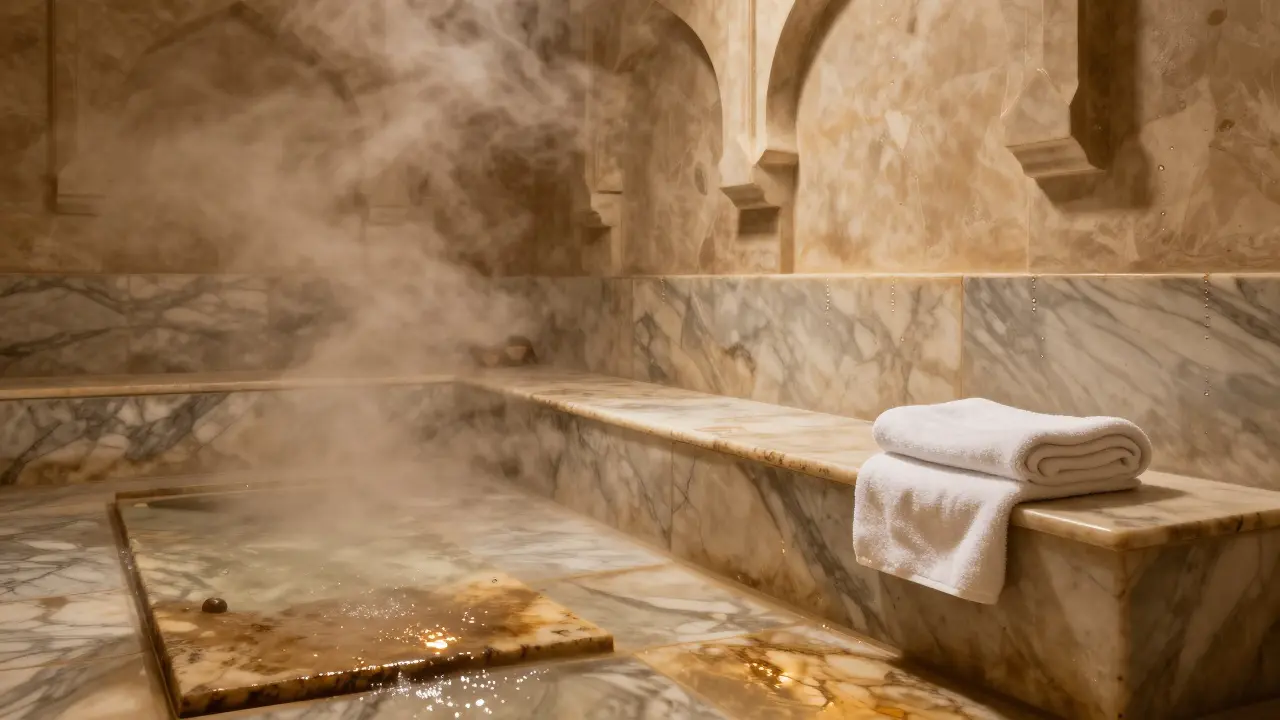
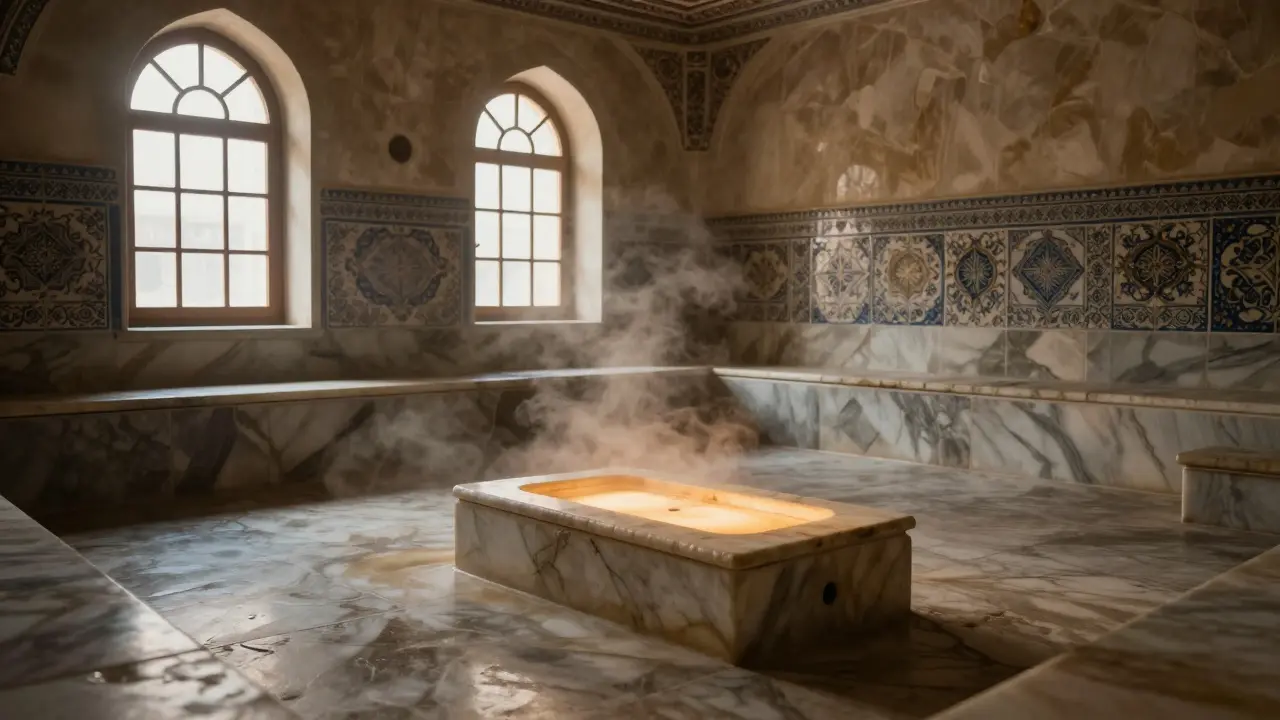
The Turkish bath didn’t start in Turkey. Its roots go back to Roman bathhouses, evolved through Byzantine traditions, and then got refined by the Ottoman Empire between the 13th and 19th centuries. These weren’t just places to get clean - they were community hubs. Men and women had separate hours, families gathered after Friday prayers, and even doctors recommended them for health. Today, you’ll find them from Istanbul to Dubai, still built with marble, domed ceilings, and heated stone slabs - because the design isn’t just pretty, it’s functional.
Core Principles or Components
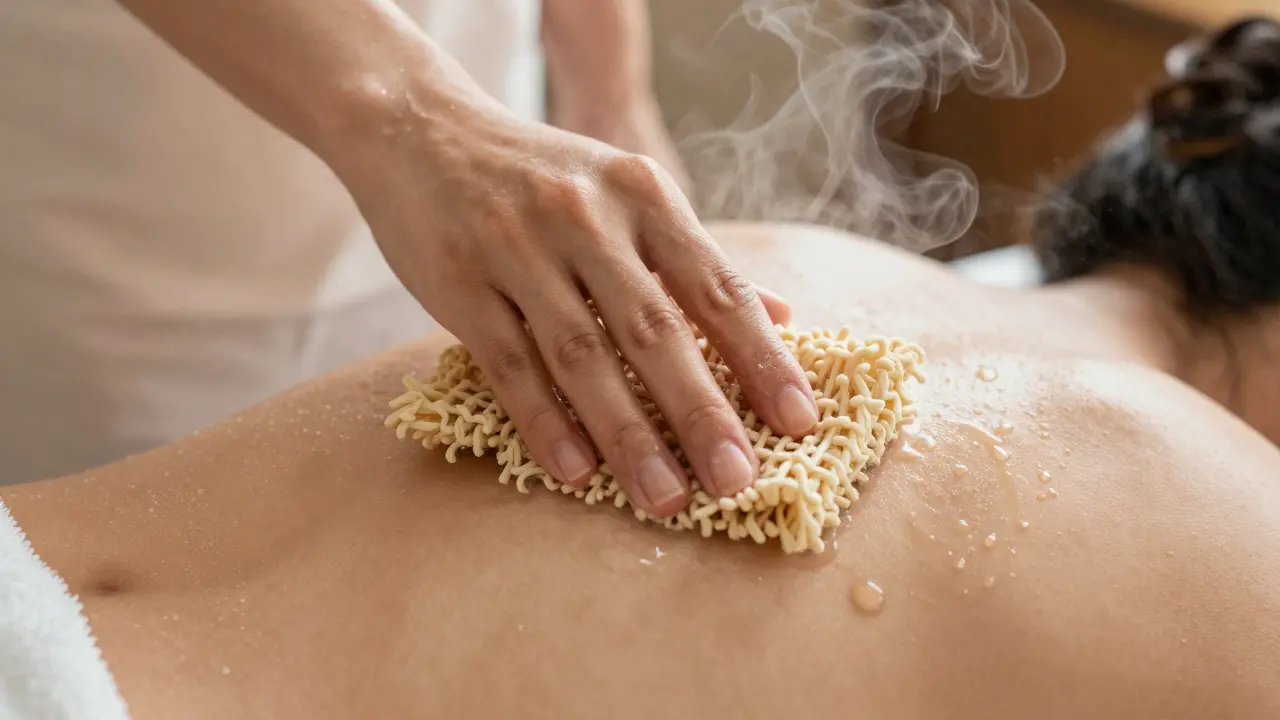
A traditional Turkish bath has three main zones: the soğukluk (cooling room), the ılıklık (warm room), and the sıcaklık (hot room). The heat builds slowly, letting your body adjust. You lie on a heated marble slab called a göbek taşı - literally “belly stone” - where steam opens your pores. Then comes the scrub, usually with a rough mitt called a kese, followed by a soap lather and rinse. No machines. No chemicals. Just hot water, natural soap, and skilled hands.
How It Differs from Related Practices
People often mix up Turkish baths with Moroccan baths or saunas. Here’s how they stack up:
| Practice | Key Feature | Primary Benefit |
|---|---|---|
| Turkish Bath | Steam + scrub + rinse on heated marble | Deep detox + skin renewal |
| Moroccan Bath | Black soap + rhassoul clay + intense scrub | Exfoliation + mineral absorption |
| Sauna | Dry heat, no water or scrub | Sweat + relaxation |
The Turkish bath is the only one that combines steam, scrub, and full-body rinse in a single session. Moroccan baths focus more on clay and exfoliation. Saunas? Just heat. If you want to feel like you’ve been reset from the inside out, the Turkish bath wins.
Who Can Benefit from Turkish Bath?
Almost anyone - but it’s especially great for people who sit all day, deal with dry skin, or feel stuck in stress. Athletes use it to recover. Office workers come for the mental reset. People with eczema or psoriasis often report smoother skin after consistent visits. It’s not a cure, but it’s a powerful reset button. You don’t need to be fit, flexible, or fluent in Turkish. Just show up.
Benefits of Turkish Bath for Body and Mind
Stress Reduction
The heat, the steam, the quiet - it all works together. Your body’s stress response slows down. Heart rate drops. Cortisol levels fall. Studies from the Journal of Clinical Psychology show that heat therapy like this can reduce anxiety symptoms by up to 30% in regular users. You don’t need to meditate. Just lie still on the warm stone, listen to the drip of water, and let your shoulders drop. It’s like hitting pause on life for an hour.
Enhanced Functionality
That scrub? It’s not just for looks. Removing dead skin cells improves circulation and helps your skin breathe better. Better circulation means better oxygen flow to muscles and organs. Many people notice they sleep deeper, recover faster from workouts, or even feel less bloated after a session. It’s not magic - it’s physiology. Your body is designed to sweat, shed, and reset. The Turkish bath just helps it do that naturally.
Emotional Well-Being
There’s something deeply calming about being cared for. In a Turkish bath, you’re not expected to talk, perform, or answer emails. You’re just there. For many, it becomes a weekly ritual - not because they have to, but because they need to. One regular in Dubai told me, “It’s the only time I don’t check my phone. I just feel human again.” That’s not a marketing line. That’s real.
Practical Applications
Think about how often you skip exfoliation because it’s messy or time-consuming. A Turkish bath does it for you - thoroughly and gently. It’s also a great pre-event ritual. Wedding guests, brides, even grooms in Dubai book sessions before big days. Why? Because glowing skin, relaxed muscles, and a clear head make a difference. It’s not vanity. It’s preparation.
| Benefit | Description | Impact |
|---|---|---|
| Detoxification | Steam opens pores, sweat flushes toxins | Clearer skin, reduced congestion |
| Improved circulation | Heat dilates blood vessels | Faster recovery, less stiffness |
| Skin renewal | Scrub removes dead cells | Softer skin, better product absorption |
| Mental clarity | Quiet, warm environment resets the nervous system | Lower stress, better focus |
What to Expect When Engaging with Turkish Bath
Setting or Context
Walk into a traditional Turkish bath in Dubai, and you’ll notice the light is soft, the air is humid, and the marble glows. You’re handed a towel, slippers, and a small pouch with soap and a scrub mitt. The space is quiet - no loud music, no phones. You’ll be guided to a private changing area, then led to the hot room. It’s not rushed. It’s meant to feel like stepping into another time.
Key Processes or Steps
Here’s what actually happens:
- You lie on the heated marble slab for 10-15 minutes while steam builds.
- A therapist (usually a trained attendant) comes in with warm water and natural olive soap.
- They scrub your entire body with a kese mitt - firm but not painful. This takes 5-10 minutes.
- You’re rinsed off with warm water - sometimes with a pour over the head.
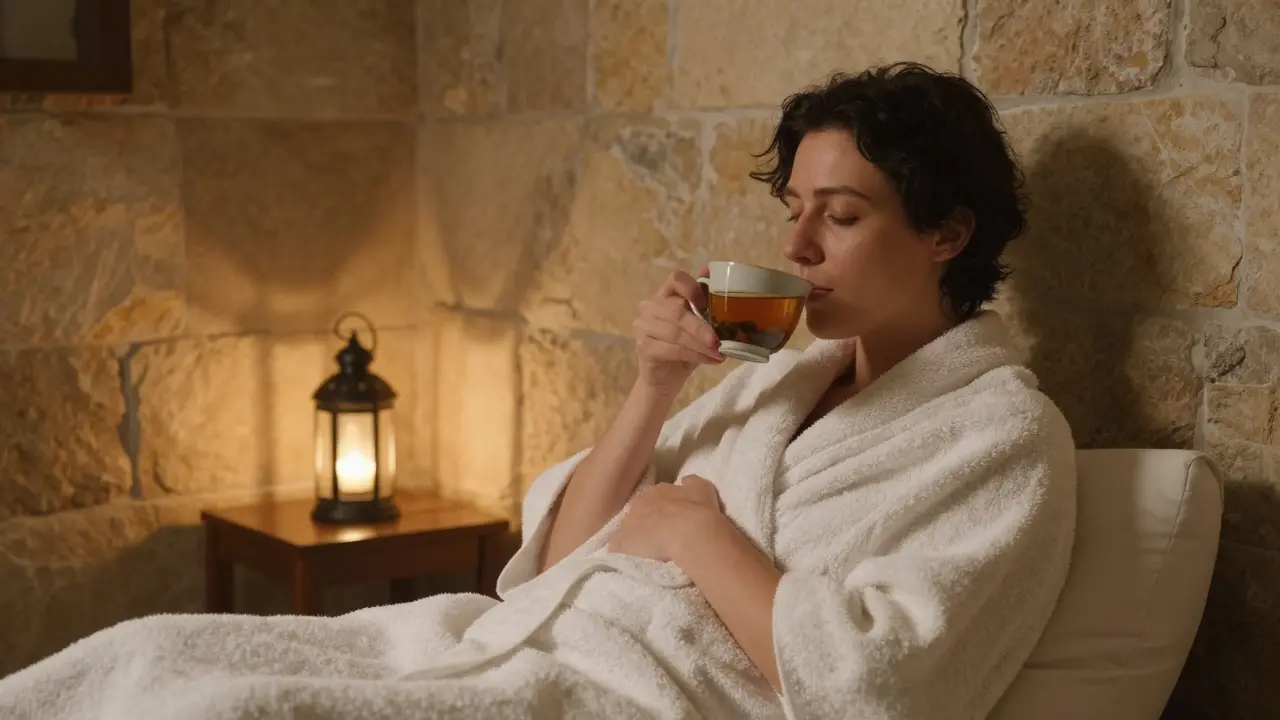
- You rest in the cooling room with tea or water while your body adjusts.
The whole thing lasts about 60-90 minutes. No pressure. No rush.
Customization Options
Want extra aromatherapy? Some places add lavender or orange blossom. Need a gentler scrub? Ask. If you’re pregnant, post-surgery, or have sensitive skin, most reputable hammams will adjust pressure, temperature, or skip the scrub entirely. It’s not one-size-fits-all. Good places ask you questions before you even get on the stone.
Communication and Preparation
Don’t be shy. Tell them if you’re sensitive to heat. Say if you don’t like the soap scent. Ask for more water. The staff are trained to help you feel safe, not embarrassed. One tip: Don’t go right after a big meal. Wait at least two hours. And drink water before and after - you’ll lose fluids.
How to Practice or Apply Turkish Bath
Setting Up for Success
If you’re doing this at home, you won’t get the same experience - but you can get close. Run a hot shower, steam your face with a towel over your head, then use a body scrub with coarse salt or sugar. Lie down afterward with a warm blanket. It’s not the same as a real hammam, but it’s a decent substitute.
Choosing the Right Tools/Resources
In Dubai, look for places that use natural soap (olive oil-based) and real kese mitts (not plastic). Avoid places that use bleach or strong chemicals. Check reviews for phrases like “gentle,” “clean,” and “no pressure to tip.” Good hammams don’t push extras. They let you relax.
Step-by-Step Guide
First-timer? Here’s your cheat sheet:
- Book a 75-minute session - not the 30-minute “express” one.
- Arrive 15 minutes early. Drink water.
- Wear a swimsuit or go nude - most places offer privacy.
- Don’t bring your phone. Leave it locked in a locker.
- Let the attendant lead. You’re there to receive, not to perform.
- Rest after. Sip herbal tea. Don’t jump into cold water.
Tips for Beginners or Couples
If you’re going with someone, most hammams have side-by-side slabs. You can go together but stay silent - it’s a shared calm, not a chat session. First-timers often feel awkward. That’s normal. The staff have seen it all. Smile. Breathe. You’ll feel better by the rinse.
Safety and Ethical Considerations
Choosing Qualified Practitioners/Resources
Look for places with certified attendants - not just “staff.” Some spas hire untrained workers. Ask if they’ve had formal training in hammam traditions. In Dubai, reputable places display certifications from Turkish or regional spa associations. If they can’t show you proof, walk away.
Safety Practices
Hygiene is non-negotiable. Here’s what to look for:
| Practice | Purpose | Example |
|---|---|---|
| Single-use kese mitts | Prevent cross-contamination | Each mitt is sealed until use |
| Disinfected marble slabs | Stop bacteria buildup | Slabs cleaned with steam between clients |
| No shared towels | Reduce infection risk | Each guest gets a fresh towel |
Setting Boundaries
You’re in control. If the scrub is too rough, say “daha hafif” (lighter). If the heat is too much, ask for a break. No one will judge you. This is your time. Your body. Your rules.
Contraindications or Risks
Avoid a Turkish bath if you have: severe heart conditions, open wounds, recent surgery, or are feeling unwell. Pregnant women can go - but only in the second trimester and with a gentle session. Always check with your doctor if you’re unsure.
Enhancing Your Experience with Turkish Bath
Adding Complementary Practices
Pair your hammam with light stretching, a short meditation, or even a quiet walk afterward. Some people drink mint tea or do deep breathing. Don’t rush back to your phone. Let the calm linger.
Collaborative or Solo Engagement
You can go alone for peace. Or with a friend for quiet bonding. Just don’t turn it into a social hour. The magic happens when you’re not talking.
Using Tools or Props
After your bath, use a lightweight cotton robe. Avoid synthetic fabrics. A silk headscarf helps if you have long hair. And always moisturize with natural oil - almond or argan work best.
Regular Engagement for Benefits
One session feels great. Ten sessions change your skin, your sleep, your stress levels. Aim for once a month. If you’re dealing with chronic stress or skin issues, try every two weeks. Consistency matters more than intensity.
Finding Resources or Experts for Turkish Bath
Researching Qualified Experts/Resources
Look for places with reviews mentioning “authentic,” “traditional,” or “Ottoman-style.” Avoid places that call it a “Turkish sauna” - that’s not the same. In Dubai, places like Hammam Al Andalus, Turkish Baths Dubai, and Al Hamra Spa are known for authenticity. Check their staff training background.
Online Guides and Communities
There’s a growing community of hammam lovers on Instagram and Reddit. Search #TurkishBathDubai or #HammamLife. You’ll find real photos, honest reviews, and tips from people who’ve been there.
Legal or Cultural Considerations
In Dubai, mixed-gender sessions are rare. Most places have separate hours for men and women. Respect that. It’s not about exclusion - it’s about tradition. Also, tipping isn’t required, but a small thank-you is appreciated if the service was excellent.
Resources for Continued Learning
Books like The Art of the Hammam by Turkish spa historians or documentaries on Ottoman daily life offer deeper context. YouTube channels like “Traditional Baths of the World” have short, well-researched clips.
FAQ: Common Questions About Turkish Bath
What to expect from a Turkish bath?
You’ll enter a warm, steamy room with marble surfaces. You’ll lie on a heated stone while a therapist gently scrubs your skin with a coarse mitt, then rinses you with warm water. It’s quiet, slow, and deeply relaxing. You won’t be dunked, sprayed, or forced into anything. The whole experience lasts about an hour and leaves you feeling lighter, smoother, and calmer.
What happens during a Turkish bath?
First, you relax in the warm room for 10-15 minutes as steam opens your pores. Then, a trained attendant applies natural soap and scrubs your entire body - back, arms, legs, even feet - using a kese mitt. This removes dead skin and boosts circulation. Afterward, you’re rinsed with warm water and given time to rest in a cooler room while sipping herbal tea. The process is gentle, clean, and designed to leave you refreshed.
How does a Turkish bath differ from a Moroccan bath?
Both use steam and scrubbing, but the tools and feel are different. A Moroccan bath uses black soap and rhassoul clay, focusing on deep exfoliation and mineral absorption. A Turkish bath uses olive soap and a kese mitt, with more emphasis on slow steam, full-body rinse, and rest. The Turkish version is more about balance - detox, relaxation, and renewal - while the Moroccan one leans into intense cleansing. One isn’t better - just different.
What is the method of Turkish bath?
The method is simple: heat, scrub, rinse, rest. You start in a warm room to sweat out toxins. Then, a therapist scrubs your skin with a natural mitt to remove dead cells. Afterward, you’re rinsed with warm water - often poured over your head - to wash away residue. Finally, you rest in a cool area to let your body settle. No machines. No chemicals. Just water, heat, and skilled hands.
Is Turkish bath suitable for beginners?
Absolutely. Many first-timers are nervous, but the process is designed for you to go at your own pace. Staff are trained to adjust heat, pressure, and pace based on your comfort. You don’t need to know anything beforehand. Just show up, stay hydrated, and let them guide you. Most people leave feeling like they’ve discovered something ancient - and surprisingly simple.
Conclusion: Why Turkish Bath is Worth Exploring
A Path to Renewal
The Turkish bath isn’t a trend. It’s a tradition that works. It doesn’t promise miracles - but it does deliver real, quiet healing. If you’ve ever felt like your skin is dull, your mind is foggy, or your body is just… stuck - this might be the reset you didn’t know you needed.
Try It Mindfully
Don’t go looking for a spa experience. Go looking for stillness. Let go of the need to control, to fix, to do. Just be. That’s where the real benefit lives.
Share Your Journey
Tried a Turkish bath in Dubai? Share your experience in the comments - what surprised you? What felt different? Follow this blog for more authentic wellness guides from the heart of the city.
Some links may be affiliate links, but all recommendations are based on research and quality.
Word count: 1,723
Suggested Images
- A serene, dimly lit Turkish bath interior with steam rising from marble slabs
- A close-up of a kese mitt being used gently on a back
- A person resting in a cool room after a session, sipping herbal tea
- Side-by-side comparison of Turkish bath vs. Moroccan bath setup
- A traditional Ottoman-style hammam with tiled walls and domed ceiling
Suggested Tables
- Comparison of Turkish Bath vs. Moroccan Bath vs. Sauna
- Key Benefits of Turkish Bath
- Turkish Bath Safety Tips