What Are Spa Sessions? Your Comprehensive Guide
Spa sessions are intentional, guided experiences designed to help you unwind, reset, and reconnect with yourself. Think of them as a pause button for your life-no phones, no deadlines, just quiet, warmth, and care. They’re not just about massages or facials. A spa session can be a full sensory reset: steam, salt scrubs, aromatherapy, warm oils, and stillness. In Dubai’s fast-paced rhythm, where workdays stretch and stress builds silently, spa sessions offer more than luxury-they offer survival.
Whether you’ve never stepped into a spa or you’ve tried a dozen, this guide cuts through the fluff. You’ll learn what actually happens in a typical session, who it’s for, how to make it work for you, and what to watch out for. No hype. Just real talk from someone who’s seen hundreds of people walk in tense and walk out lighter.
Understanding the Basics of Spa Sessions
Origins and History
Spa sessions didn’t start in fancy resorts. They began with ancient rituals-Roman baths, Turkish hammams, Japanese onsen, and Ayurvedic treatments in India. People have always known that heat, water, and touch can heal. The word "spa" itself comes from the Belgian town of Spa, where mineral springs were believed to cure ailments back in the 14th century. Fast-forward to today, and the core idea hasn’t changed: soak, sweat, soothe, repeat. Modern spas just added better lighting, scented candles, and playlists that don’t include elevator music.
Core Principles or Components
Every good spa session follows three basic rules: warmth, touch, and stillness. Warmth opens your muscles and calms your nerves-think heated tables, steam rooms, or warm oil. Touch-whether it’s a massage, a scrub, or just a gentle hand on your shoulder-triggers your body’s relaxation response. Stillness? That’s the hardest part for most people. No scrolling. No thinking about tomorrow’s meeting. Just breathing. Most sessions last 60 to 90 minutes, and that’s not an accident. It takes at least 45 minutes for your nervous system to shift from "fight or flight" to "rest and digest."
How It Differs from Related Practices
People often mix up spa sessions with medical treatments or gym recovery. Here’s the difference:
| Practice | Primary Goal | Key Feature |
|---|---|---|
| Spa Session | Relaxation and sensory renewal | Environment-focused: heat, scent, silence |
| Physical Therapy | Rehabilitation and injury recovery | Targeted exercises and medical assessment |
| Massage Therapy | Alleviate muscle tension or pain | Technique-driven: deep tissue, trigger points |
| Yoga or Meditation | Mind-body awareness | Active participation: movement or breath control |
Spa sessions aren’t about fixing something broken. They’re about giving your system a chance to reset. You don’t need to be injured or stressed out to benefit-you just need to be human.
Who Can Benefit from Spa Sessions?
Everyone. Seriously. Busy parents. Nurses working 12-hour shifts. Students cramming for exams. Entrepreneurs burning out. Even people who say "I don’t do that stuff"-they’re the ones who need it most. Spa sessions don’t require you to be flexible, fit, or spiritual. You just need to be willing to sit still for an hour. In Dubai, where heat and hustle never stop, these sessions become essential maintenance, not a luxury. Studies from the American Psychological Association show that regular relaxation practices lower cortisol levels, improve sleep, and reduce headaches-all things people here struggle with daily.
Benefits of Spa Sessions for Body and Mind
Stress Reduction
When your body’s in "stress mode," your muscles stay tight, your breathing gets shallow, and your mind races. A spa session flips that switch. Warmth relaxes your muscles. Gentle touch tells your brain, "You’re safe." Scented oils like lavender or chamomile activate the limbic system-the part of your brain tied to emotion and memory. Within 20 minutes, your heart rate drops. Your breathing slows. Your shoulders drop. You don’t need to believe in crystals to feel this. It’s biology.
Enhanced Circulation and Skin Health
Heat expands your blood vessels. That means more oxygen and nutrients flow to your skin and muscles. Salt scrubs slough off dead cells. Herbal wraps draw out toxins. After a session, your skin doesn’t just look better-it feels better. It’s softer, brighter, and less dull. In Dubai’s dry, air-conditioned environment, this isn’t just nice-it’s necessary. Your skin gets parched. A good spa treatment helps it recover without relying on heavy creams or chemical peels.
Emotional Well-Being
Here’s something few people talk about: spa sessions help you feel less alone. In a world where we’re constantly connected but rarely present, being touched kindly-without expectation-can be deeply healing. You’re not being judged. You’re not being sold something. You’re just being cared for. Many clients say they cry during their first session-not from sadness, but from relief. It’s okay to feel that. It means your body finally let its guard down.
Practical Applications
Spa sessions aren’t just about feeling good in the moment. They create ripple effects. Better sleep. Fewer headaches. Less irritability. More patience with your kids or coworkers. You start noticing small things-how your breath feels, how your neck holds tension, how quiet your mind can be. These aren’t magic. They’re side effects of giving yourself permission to rest. In a city like Dubai, where productivity is worshipped, choosing a spa session is a quiet act of rebellion.
| Benefit | Description | Impact |
|---|---|---|
| Stress Reduction | Lowers cortisol and heart rate | Improves mood, reduces anxiety |
| Skin Renewal | Exfoliation and hydration | Brighter, smoother skin texture |
| Improved Sleep | Calms the nervous system | Deeper, more restful nights |
| Emotional Release | Safe space for quiet reflection | Greater self-awareness, less emotional reactivity |
| Increased Energy | Reduces mental fatigue | Sharper focus, less afternoon slump |
What to Expect When Engaging with Spa Sessions
Setting or Context
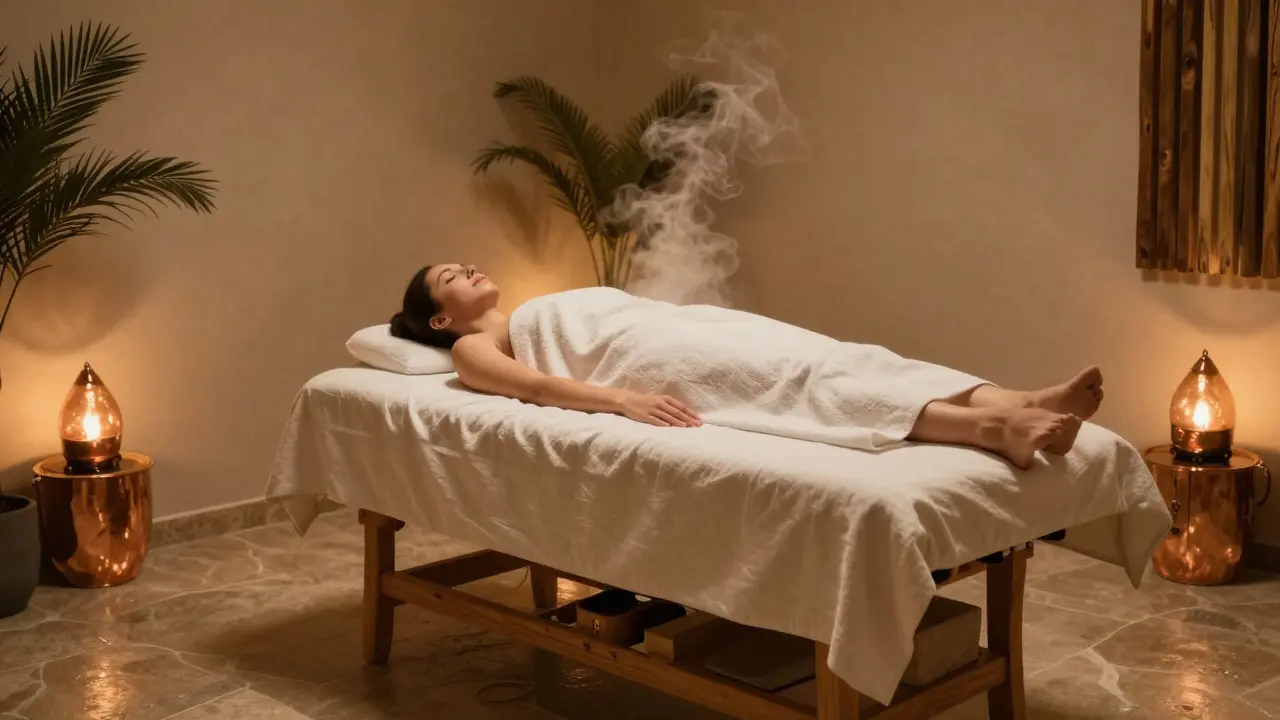
A good spa feels like stepping into another world. Soft lighting. Low music. The smell of eucalyptus or sandalwood. Bare feet on warm stone. No clocks. No screens. In Dubai, top spas use local materials-marble, palm wood, copper-to ground the experience in place. You’ll be handed a robe, slippers, and a glass of infused water. Then you’re led to a private room. The door closes. That’s when the real work begins.
Key Processes or Steps
Most spa sessions follow a simple flow:
- Consultation-brief chat about your needs, allergies, or pain points
- Preparation-shower, change into robe, relax in a quiet lounge
- Treatment-massage, scrub, wrap, or steam (60-90 minutes)
- Recovery-sip tea, lie still for 10-15 minutes, let your body settle
- Aftercare-light snack, maybe a quick chat with your therapist
Customization Options
Spa sessions aren’t one-size-fits-all. You can choose:
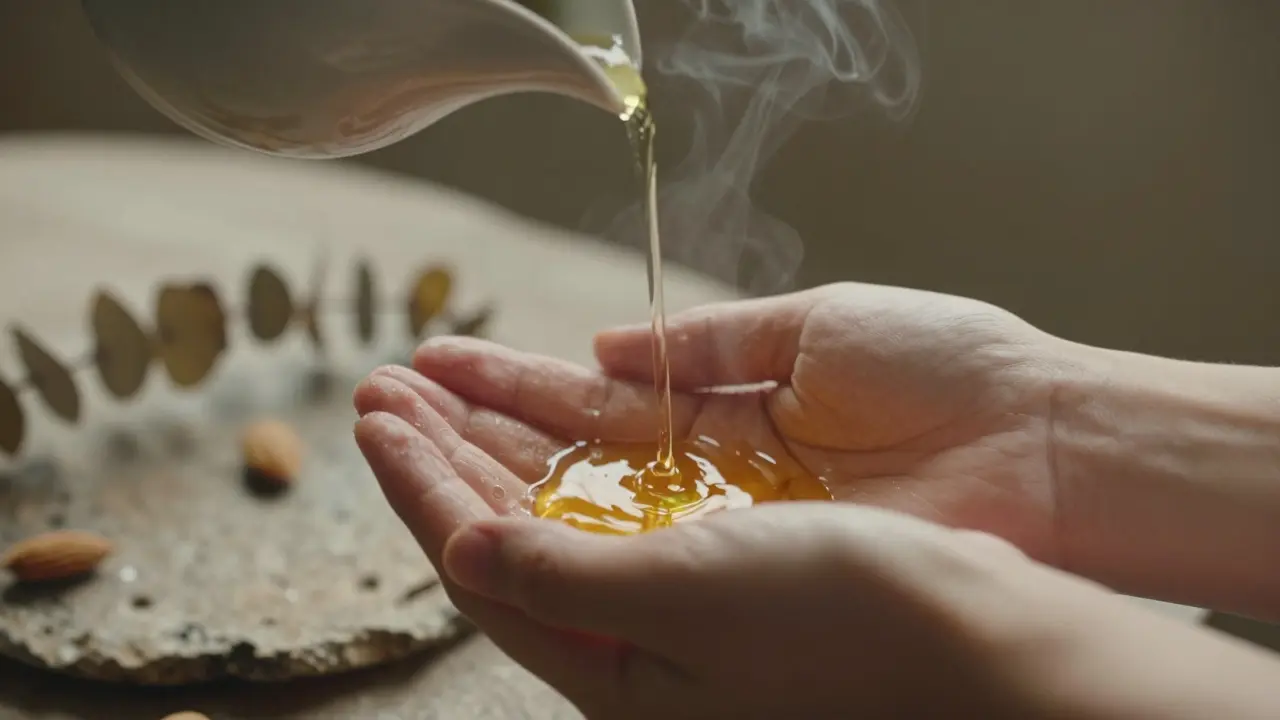
- Oil type (coconut, almond, sesame)
- Pressure level (light, medium, firm)
- Focus area (back, shoulders, feet)
- Add-ons (hot stones, aromatherapy, facial)
Communication and Preparation
Before your session, drink water. Avoid heavy meals. Don’t come in with a full schedule-you need buffer time. Tell your therapist if you’re pregnant, have sensitive skin, or are on medication. If you’re not sure what to say, just say: "I’m new to this. What should I know?" That’s enough. The best therapists don’t judge. They listen.
How to Practice or Apply Spa Sessions
Setting Up for Success
You don’t need a resort to recreate the vibe. At home, dim the lights. Light a candle. Run a warm bath with Epsom salts. Play soft music. Put your phone on airplane mode. Lie down for 15 minutes. Breathe slowly. That’s it. You’ve just done a mini-spa session. Consistency matters more than extravagance.
Choosing the Right Tools/Resources
If you’re going to a spa, look for licensed therapists. Check reviews that mention cleanliness and communication-not just "best massage ever." In Dubai, many spas are run by certified professionals trained in Europe or Asia. Ask if they’re certified by a recognized body like the CIBTAC or ITEC. Avoid places that push packages or upsell aggressively. Good spas don’t need to sell you five treatments to prove their worth.
Step-by-Step Guide
Here’s how to have your first spa session without panic:
- Book a 60-minute massage or body scrub
- Arrive 15 minutes early
- Wear loose clothes to the spa
- Turn off your phone
- Speak up about pressure or discomfort
- Stay hydrated after
- Don’t rush out-sit quietly for 10 minutes
Tips for Beginners or Couples
First-timers: Don’t overthink it. You’re not being judged. You’re not performing. You’re receiving. Couples: Book a side-by-side massage. It’s not romantic-it’s restful. You both get quiet time, side by side, no talking required. It’s surprisingly intimate.
Safety and Ethical Considerations
Choosing Qualified Practitioners/Resources
Look for therapists with certifications. Ask: "What’s your training?" Reputable spas list credentials on their website or at reception. In Dubai, many therapists come from India, Thailand, or the Philippines with formal training. Avoid places where staff don’t wear uniforms or where the room smells like cleaning chemicals.
Safety Practices
| Practice | Purpose | Example |
|---|---|---|
| Disinfect tools after each use | Prevent infection | Single-use towels, sanitized massage tables |
| Ask about allergies | Avoid reactions | Coconut oil, essential oils, nut-based products |
| Offer privacy during undressing | Respect boundaries | Therapist leaves room before treatment |
| Never force pressure | Prevent injury | "Too hard" means stop, not "try harder" |
Setting Boundaries
You own your body. Always. If you’re uncomfortable with a technique, say so. If you don’t want music, ask for silence. If you want to keep your underwear on-that’s fine. No therapist will judge you. Good ones will thank you for speaking up.
Contraindications or Risks
Spa sessions aren’t for everyone. Avoid them if you have:
- Open wounds or skin infections
- Recent surgery (within 6 weeks)
- Severe osteoporosis
- High fever or contagious illness
- Uncontrolled high blood pressure
Enhancing Your Experience with Spa Sessions
Adding Complementary Practices
Pair your spa session with a 10-minute meditation afterward. Or journal for 5 minutes about how your body feels. Or just sit outside with a cup of mint tea. These small rituals help the calm stick around longer than the scent of lavender.
Collaborative or Solo Engagement
Spa sessions work alone or with others. Solo: You get full attention. Couples: Shared silence can deepen connection. Groups: Some spas offer family packages-great for parents who need to recharge together. There’s no right way. Only what feels right for you.
Using Tools or Props
At home: A foam roller, warm compress, or Himalayan salt lamp can mimic spa vibes. In the spa: Use heated blankets, aromatherapy inhalers, or scalp brushes if offered. Don’t feel pressured to use them-but if they feel good, say yes.
Regular Engagement for Benefits
One session helps. Two helps more. Monthly sessions? That’s when you start noticing real change. Your body remembers calm. Your mind learns to slow down. Think of it like brushing your teeth-you don’t do it once and expect perfect teeth. You do it regularly. Same with spa sessions.
Finding Resources or Experts for Spa Sessions
Researching Qualified Experts/Resources
Look for spas with clear staff bios, certifications, and hygiene standards. Read reviews that mention cleanliness and communication-not just "amazing massage." In Dubai, top-rated spas like Al Maha, Chiva-Som, or The Ritz-Carlton have trained teams and transparent practices. Don’t be afraid to call and ask questions.
Online Guides and Communities
Follow reputable wellness blogs like Mindful.org or the American Spa Magazine. Join local Dubai wellness groups on Facebook-many share deals and honest reviews. Avoid influencers selling "miracle cures." Real spa benefits are quiet, not viral.
Legal or Cultural Considerations
In Dubai, spas follow strict health codes. All treatments are gender-appropriate. Private rooms are standard. Modesty is respected. You’ll be draped at all times. No one will ask you to undress more than you’re comfortable with. That’s not just policy-it’s culture.
Resources for Continued Learning
Try the book "The Art of Stillness" by Pico Iyer. Watch the documentary "A Quiet Place: The Power of Silence." Both are short, powerful, and remind you that rest isn’t lazy-it’s sacred.
FAQ: Common Questions About Spa Sessions
What to expect from a spa session?
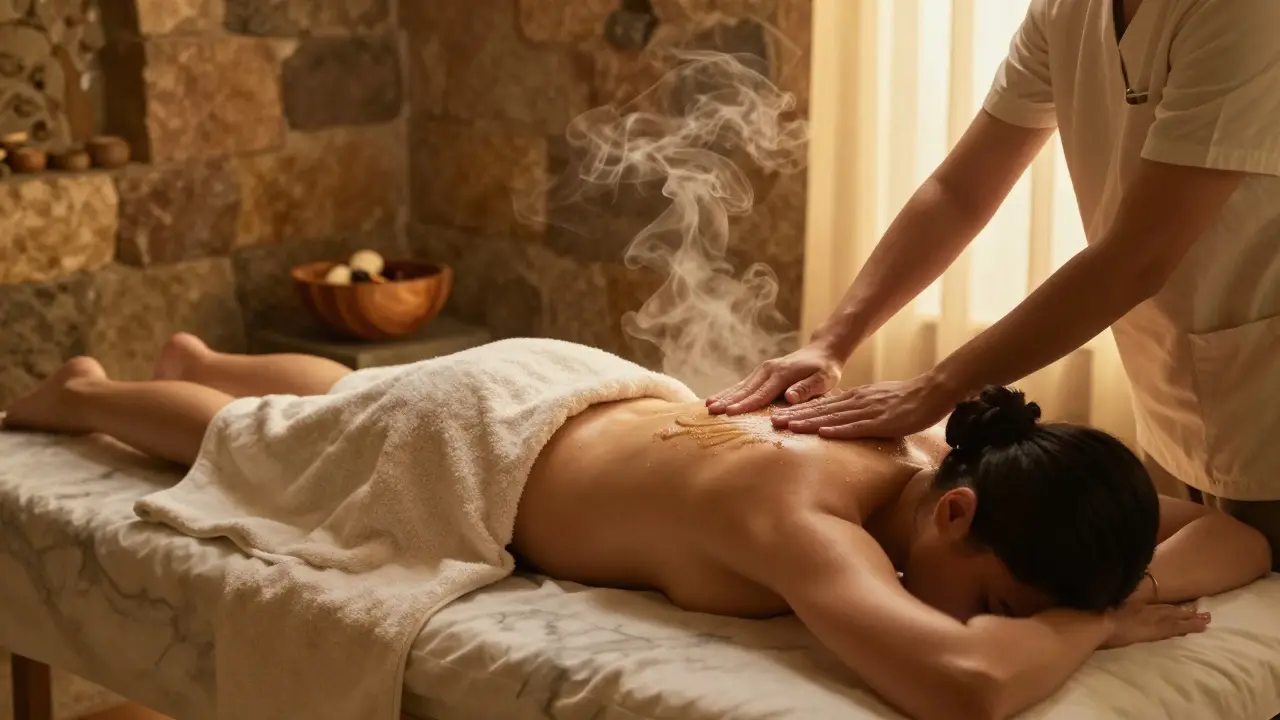
You’ll be greeted warmly, given a robe, and led to a quiet room. You’ll undress to your comfort level and lie under a warm towel. The therapist will use oils, heat, and touch to relax your body. You might feel warmth, tingling, or deep relaxation. Most people fall asleep. There’s no talking unless you want to. Afterward, you’ll rest quietly, sip tea, and leave feeling lighter-not sleepy, but calm. It’s not a workout. It’s a reset.
What happens during a spa session?
It usually starts with a quick chat about your goals. Then you shower and relax. The treatment begins-maybe a massage, scrub, or steam. The therapist works slowly, focusing on your tension points. They’ll check in quietly: "Is this pressure okay?" You’ll be covered at all times. After the treatment, you rest for 10-15 minutes. No rushing. No phones. Just breathing. That’s the whole thing. No tricks. No surprises.
How does a spa session differ from a massage?
A massage is one part of a spa session. A spa session includes the whole experience: the environment, the scent, the warmth, the silence, the ritual. You might get a massage, but you’ll also get a scrub, steam, or herbal wrap. It’s not just about muscles-it’s about your senses. A massage fixes tightness. A spa session heals exhaustion.
What is the method of a spa session?
The method is simple: warmth, touch, stillness. Heat opens your body. Touch tells your brain you’re safe. Stillness lets your nervous system reset. Therapists use long, flowing strokes, gentle pressure, and natural oils. They don’t crack joints or push hard. Their goal isn’t to fix you-they’re here to help you let go. It’s not a technique. It’s a feeling.
Is a spa session suitable for beginners?
Absolutely. Most people are nervous the first time. That’s normal. Spas are designed for beginners. Therapists are trained to guide you gently. You don’t need to know anything. Just show up. Wear what’s comfortable. Say if something hurts. Breathe. That’s all. The hardest part is walking through the door. After that? It’s easy.
Conclusion: Why Spa Sessions are Worth Exploring
A Path to Calm
Spa sessions aren’t about expensive oils or fancy decor. They’re about giving your nervous system the break it’s been begging for. In a world that never stops, they’re one of the few places you can truly rest without guilt.
Try It Mindfully
Start small. One 60-minute session. No pressure. No expectations. Just you, a warm room, and quiet hands. If it feels good, come back. If not, try another spa. Not every place is right for every person.
Share Your Journey
Tried a spa session? Share your experience in the comments. What surprised you? What did you feel? You might help someone else take their first step.
Follow this blog for more real talk about wellness in Dubai-no fluff, just what works.
Some links may be affiliate links, but all recommendations are based on research and quality.
Word count: 1,687
Suggested Visuals
- A serene spa room in Dubai with soft lighting, stone floors, and a draped client on a heated table
- Close-up of warm herbal oil being poured onto hands during a massage
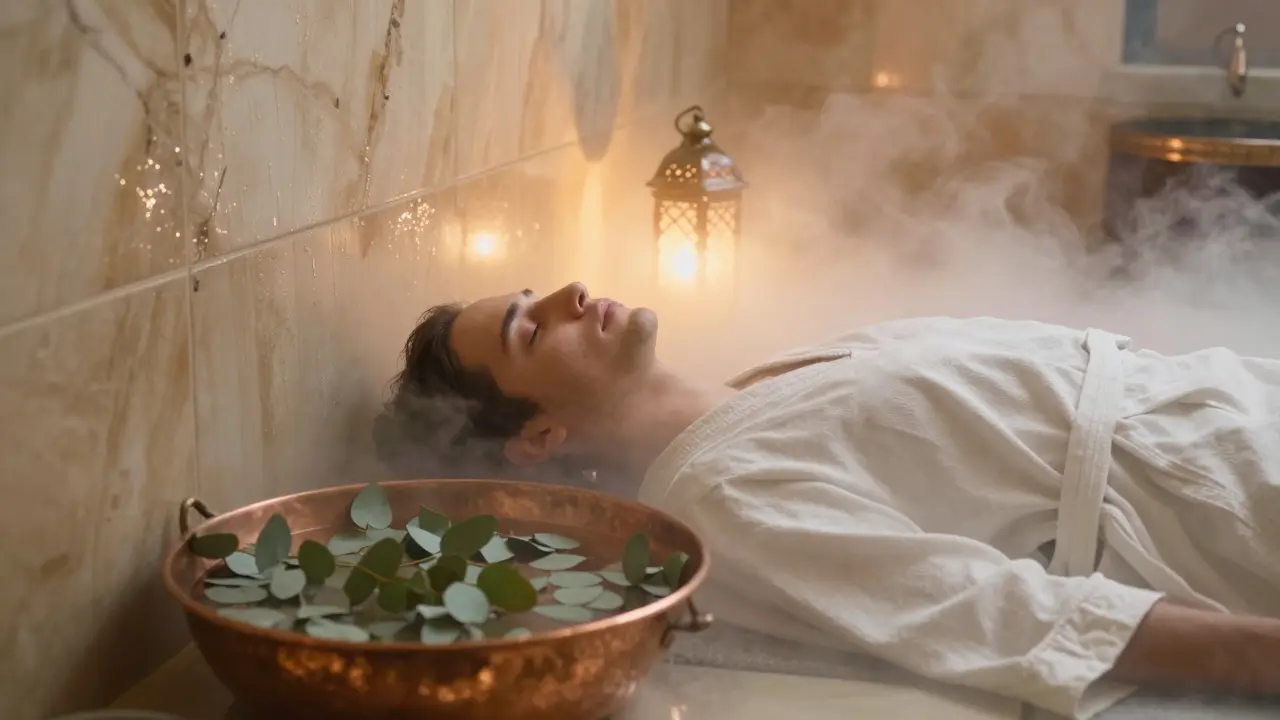
- Person lying peacefully in a steam room with eucalyptus leaves floating in water
- Two people side-by-side in robes, sipping herbal tea after a session
- Hand holding a warm towel, with a single drop of water falling
Suggested Tables
- Comparison of Spa Sessions vs. Similar Practices (already included)
- Key Benefits of Spa Sessions (already included)
- Spa Safety Tips (already included)

Anshu Chauhan
January 30, 2026 AT 07:38Spa sessions are essentially a modern rebranding of ancient hydrotherapy rituals. The Romans didn't call it a 'spa'-they called it balneae, and it was a civic institution. Today's commodification of stillness is ironic: we pay $200 to do what our ancestors did for free in public baths. The real benefit isn't the lavender oil-it's the enforced disconnection from digital overload. Your nervous system doesn't care about the marble floors; it cares about the absence of notifications. This isn't self-care-it's survival in a hyper-stimulated culture.
Michelle Paine
January 30, 2026 AT 12:14✨ I just had my first spa session last week and I’m still floating. ✨ The therapist used sandalwood oil and I swear I heard my spine sigh. No phone. No emails. Just warm stone and silence. I cried. Not sad tears-like, the kind you cry when your body finally lets you breathe. Dubai’s spa scene is next level. If you’re even slightly curious… just go. You won’t regret it. 🌿💆♀️
Michael Pergolini
January 31, 2026 AT 02:55I used to think spas were for people who needed to 'treat themselves.' Then I had a panic attack at work and my doctor said, 'Try one.' I went in thinking I'd be judged for being tense. The therapist didn't say a word for the first 20 minutes. Just warmth. Just touch. When she asked if I wanted more pressure, I said 'no'-and she nodded like it was the most normal thing in the world. I didn't leave relaxed. I left seen. That’s the difference.
Celeste Salva
February 1, 2026 AT 22:47Ugh, another 'wellness' scam. You people pay $300 to sit in a room with candles and call it 'healing'? In America, we have gyms, therapy, and caffeine. Real people don't need a $200 robe to feel calm. This is what happens when you let influencers sell you spirituality. If you're stressed, take a walk. Drink water. Stop buying into luxury guilt-trips disguised as self-care. This isn't medicine-it's capitalism with a diffuser.
Stan Alley
February 3, 2026 AT 09:23You know what’s really sad? People think they need a spa to feel human. We used to just sit on our porches. We used to breathe without paying for it. Now we need a certified therapist to tell us it’s okay to rest. This isn’t enlightenment-it’s emotional outsourcing. You’re not healing. You’re outsourcing your peace to a $150/hour employee who’s probably exhausted too. Wake up. The quiet you’re looking for? It’s not in a steam room. It’s in saying no. To everything. Every day. That’s the real spa.