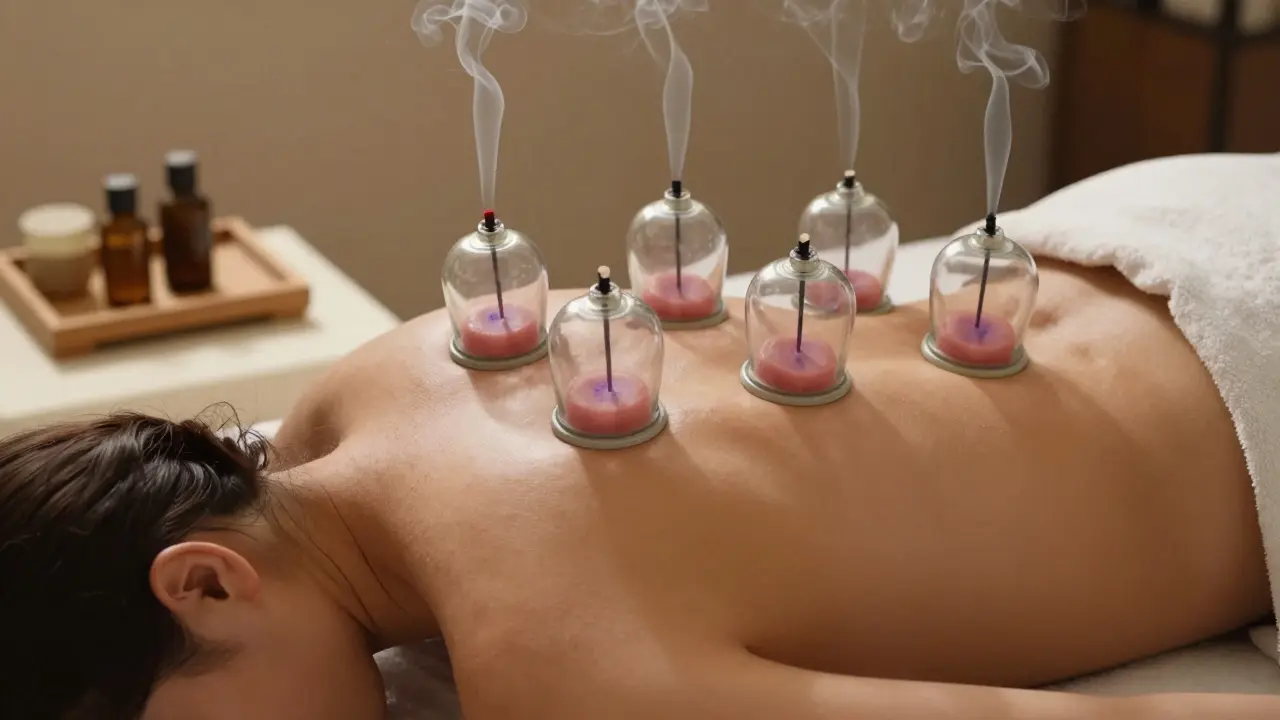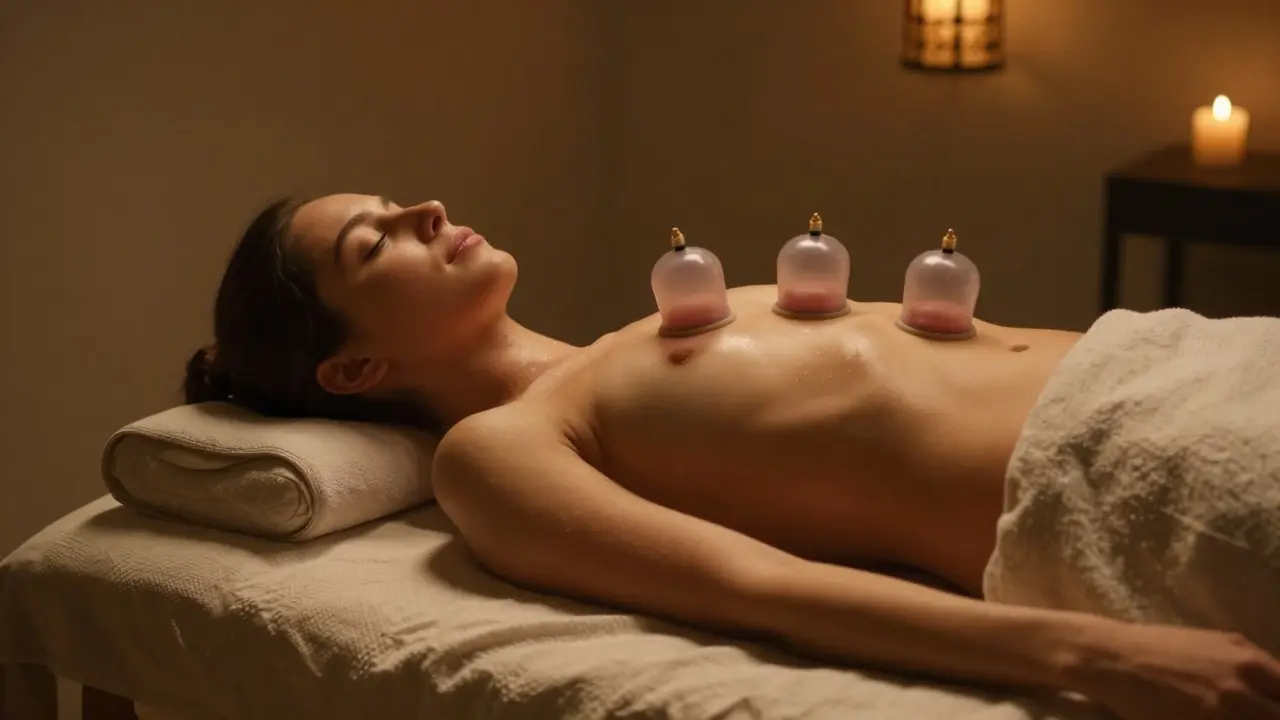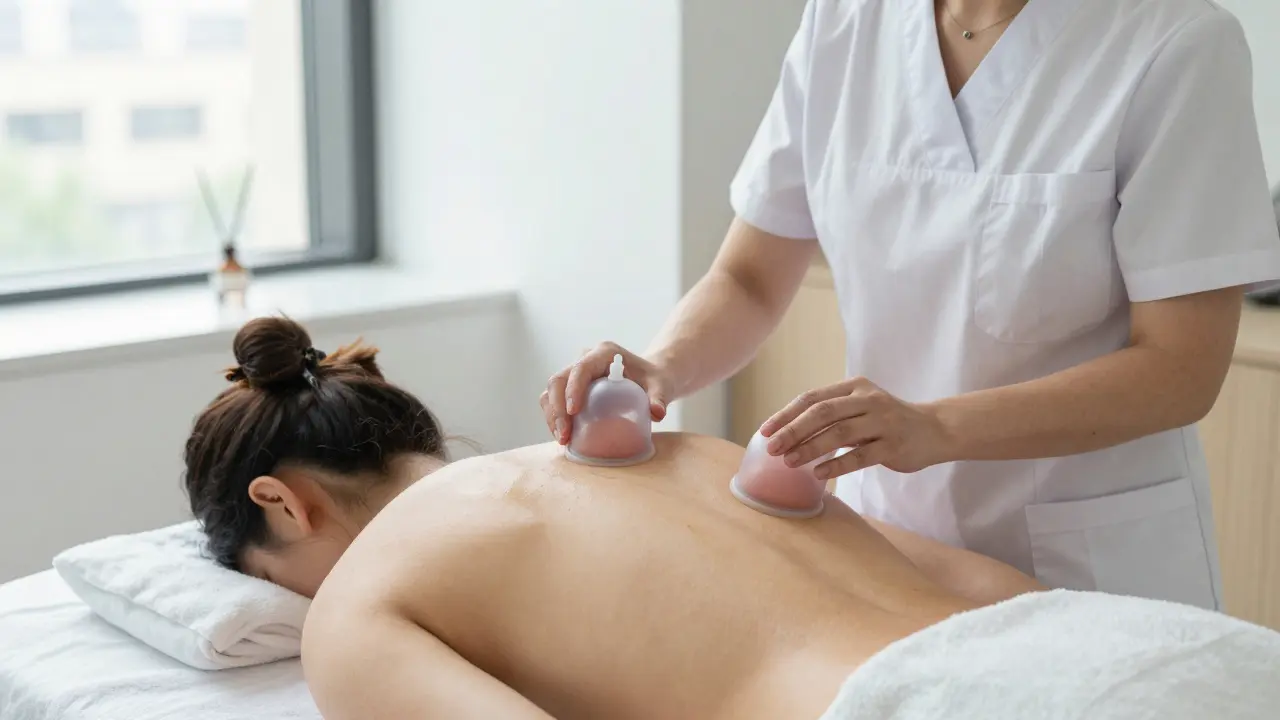
When it comes to cupping therapy, many people experience relief from muscle tension, improved circulation, and reduced stress. But not every part of your body is safe for cupping. Knowing where to avoid it can mean the difference between a soothing session and an avoidable injury. If you’re considering cupping - whether at a spa, clinic, or even at home - it’s crucial to understand the areas that should never be touched by suction cups.
Understanding the Basics of Cupping
Origins and History
Cupping therapy dates back thousands of years, with roots in ancient Egyptian, Chinese, and Middle Eastern medicine. Traditional practitioners used hollowed-out animal horns, bamboo, or ceramic cups to create suction on the skin, believing it drew out toxins and restored balance. Today, modern cupping uses silicone or glass cups with manual or mechanical pumps. It’s widely practiced in Dubai’s wellness centers, often combined with massage or acupuncture. While it’s generally safe, its effectiveness relies heavily on proper technique and awareness of contraindications.
Core Principles or Components
The basic idea behind cupping is that suction pulls blood to the surface, increasing local circulation and relaxing tight muscles. This can help with pain, inflammation, and recovery. Dry cupping (no incisions) is most common in spas today. Wet cupping, which involves light skin punctures to draw small amounts of blood, is more invasive and requires strict hygiene. The cups are typically left on for 5-15 minutes. The marks left behind - often called "cupping bruises" - are not true bruises but rather capillary dilation and minor blood pooling. They fade in a few days to a week.
How It Differs from Related Practices
Cupping is often confused with other bodywork techniques. Here’s how it stacks up:
| Practice | Key Feature | Primary Benefit |
|---|---|---|
| Cupping | Suction on skin surface | Improves local circulation, releases fascial tension |
| Massage | Manual pressure and kneading | Relaxes muscles, reduces stress |
| Gua Sha | Scraping tool over skin | Reduces inflammation, promotes lymph flow |
| Acupuncture | Insertion of fine needles | Regulates energy flow (Qi), targets nerves |
Who Can Benefit from Cupping?
Cupping is popular among athletes recovering from strain, office workers with chronic neck pain, and individuals managing stress-related tension. It’s also used in traditional medicine systems for detoxification and immune support. However, not everyone is a candidate. People with sensitive skin, bleeding disorders, or certain medical conditions should proceed with caution - and sometimes avoid it entirely.
What Areas Should You Avoid Cupping?
Avoid the Spine and Bony Areas
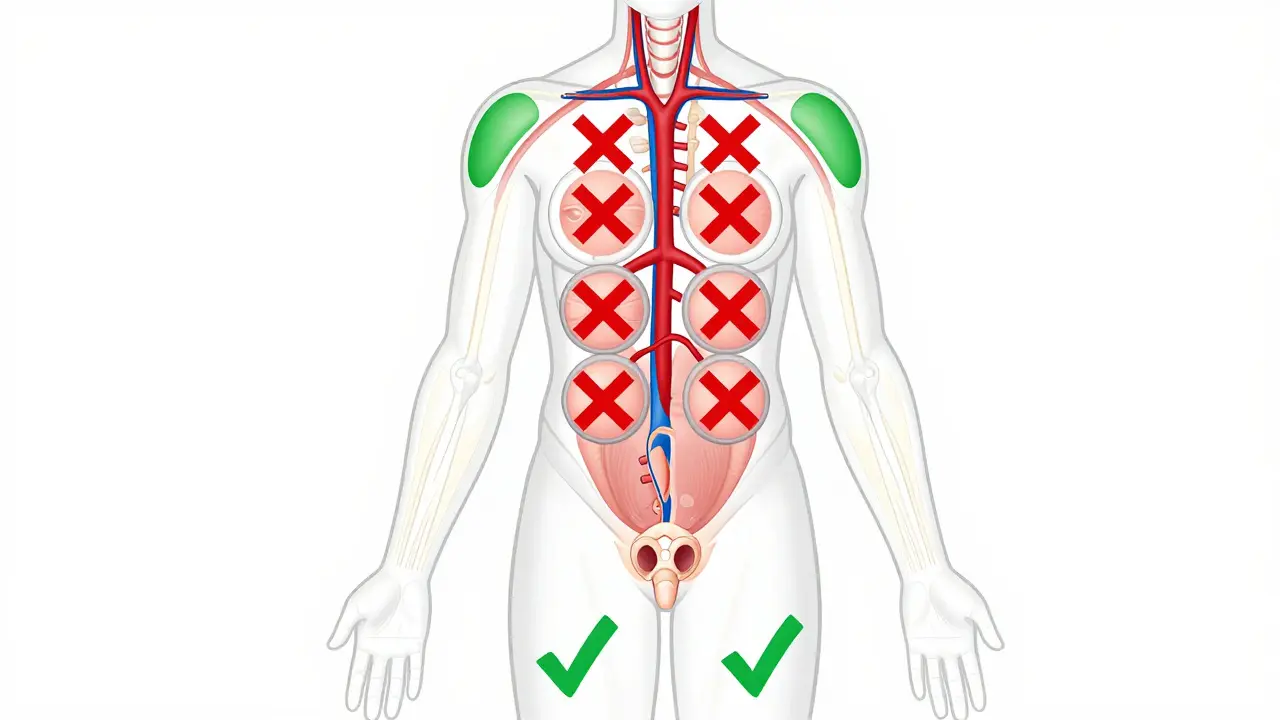
Your spine is made up of delicate vertebrae, spinal nerves, and ligaments. Applying suction directly over the spinal column - especially the neck and lower back - can increase pressure on these structures. Even if the cup doesn’t break the skin, the negative pressure can irritate nerves or cause muscle spasms. The same goes for bony prominences like the shoulder blades, tailbone, or kneecaps. These areas lack enough soft tissue to cushion the suction, making them vulnerable to bruising, nerve discomfort, or even micro-trauma.
Never Cup Over Open Wounds or Broken Skin
If you have a cut, scrape, burn, surgical incision, or active rash, keep cups away. Cupping draws blood to the surface - and if the skin barrier is compromised, you risk infection. In wet cupping, where small punctures are made, sterile technique is non-negotiable. But even dry cupping on broken skin can introduce bacteria or delay healing. Think of it like covering a wound with a vacuum seal - it’s not helping. Let the skin fully heal before considering cupping nearby.
Avoid the Abdomen During Pregnancy
Pregnant individuals should never have cups placed on the abdomen or lower back. While cupping on the shoulders or legs may be safe with practitioner approval, the suction can stimulate uterine contractions or affect blood flow to the developing fetus. The American College of Obstetricians and Gynecologists advises against any therapy that applies deep pressure or suction to the abdominal region during pregnancy. Always inform your therapist if you’re pregnant - even if you think it’s "just a little cupping."
Stay Away from Major Blood Vessels and Arteries
Cupping over large arteries like the carotid (neck), femoral (inner thigh), or popliteal (behind the knee) can be dangerous. The suction can compress these vessels, reducing blood flow to the brain or legs. This is especially risky if you have low blood pressure, are on blood thinners, or have vascular disease. Even if you don’t feel pain, internal pressure changes can go unnoticed until it’s too late. A trained therapist will know to avoid these zones - but if you’re doing it yourself, err on the side of caution.
Do Not Cup Over Tumors, Cysts, or Swollen Areas
If you have a lump, unexplained swelling, or known tumor (benign or malignant), cupping over that area is a hard no. Suction can increase blood flow to the area, potentially stimulating abnormal cell growth or spreading inflammatory cells. Even if the lump seems harmless, it’s not worth the risk. Always get a medical evaluation before trying any bodywork on unusual skin changes.
Avoid Areas with Skin Conditions
Eczema, psoriasis, severe acne, or fungal infections are all red flags. Cupping can irritate inflamed skin, worsen outbreaks, or spread infection. The heat and suction can also break down the skin’s natural barrier, making it easier for bacteria or fungi to invade. If you’re managing a chronic skin condition, talk to your dermatologist before scheduling a session. They might suggest waiting until your skin is calm or avoiding cupping altogether.
Never Cup Over the Eyes, Ears, or Genitals
These areas are extremely sensitive and have thin skin, delicate structures, or mucous membranes. Cupping over the eyes can damage blood vessels or the optic nerve. Around the ears, it could affect the eardrum or inner ear balance. The genital area has rich nerve endings and is prone to infection. There is no therapeutic benefit that outweighs the risk here. Any practitioner who suggests cupping these areas should be avoided.
Safety and Ethical Considerations
Choosing Qualified Practitioners
In Dubai, many spas offer cupping, but not all therapists are trained. Look for certifications from recognized bodies like the International Cupping Therapy Association or licensed acupuncture clinics. Ask about their training, experience, and hygiene practices. A professional will clean the skin, use disposable gloves, and sterilize reusable cups. If they skip these steps, walk out.
Safety Practices
Here’s how to keep your cupping session safe:
| Practice | Purpose | Example |
|---|---|---|
| Sanitize cups before use | Prevent infection | Use medical-grade disinfectant |
| Check for allergies | Avoid reactions | Ask about latex or silicone sensitivity |
| Use proper suction strength | Prevent tissue damage | Start light, increase slowly |
| Time sessions correctly | Prevent bruising | Max 15 minutes per area |
Setting Boundaries
You have the right to say no. If a practitioner wants to cup an area you’re uncomfortable with - even if they say it’s "common" - trust your gut. Your body, your rules. Always communicate pain levels. Cupping should feel like a deep pull, not sharp pain. If it hurts, ask them to release the cup immediately.
Enhancing Your Experience with Cupping
Adding Complementary Practices
Cupping works best when paired with other recovery tools. Try it after a light yoga session, or combine it with heat therapy like a warm towel compress. Hydration is key - drink water before and after to help flush out metabolic waste. Some people find that deep breathing during the session helps them relax deeper and reduces discomfort.
Using Tools or Props
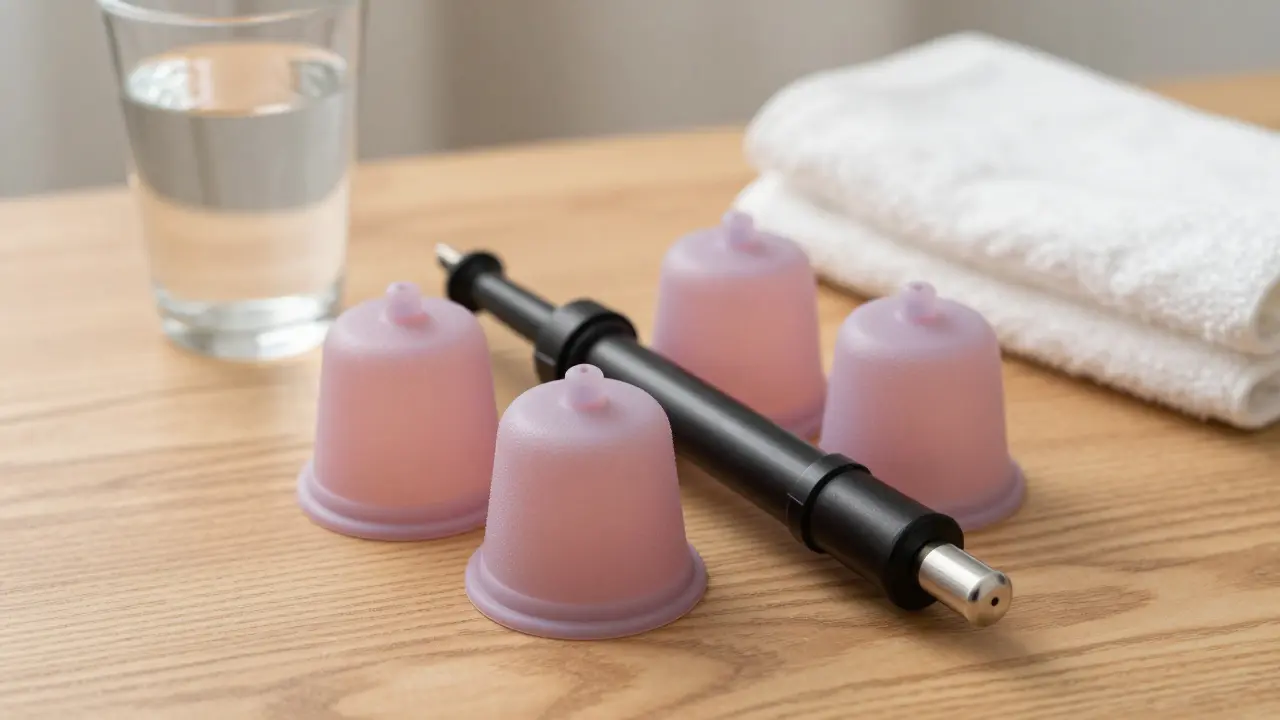
If you’re doing cupping at home, invest in silicone cups with a hand pump. They’re easier to control than glass cups and less likely to cause burns. A good quality cupping set includes different sizes for various body parts. Never use unregulated online products - many are made with low-grade materials that can crack or leak.
Finding Resources or Experts for Cupping
Researching Qualified Practitioners
In Dubai, look for clinics affiliated with the Dubai Health Authority (DHA). These practitioners are licensed and regularly audited. You can verify credentials online through the DHA portal. Avoid places that offer "instant detox" or "miracle cure" claims - these are red flags.
Online Guides and Communities
Reputable sources like the National Center for Complementary and Integrative Health (NCCIH) offer science-backed overviews of cupping. Joining a wellness forum like r/cupping on Reddit can give you real user experiences - just take anecdotal advice with a grain of salt.
FAQ: Common Questions About Cupping
What areas should you avoid cupping?
You should avoid cupping over the spine, open wounds, pregnancy abdomen, major arteries (like the neck or inner thigh), tumors or cysts, active skin conditions (eczema, psoriasis), and sensitive areas like the eyes, ears, or genitals. These areas are either too delicate, too risky, or could worsen an underlying condition. Always consult a trained therapist who knows anatomy and contraindications.
Can cupping cause bruising?
Yes, cupping often leaves circular marks that look like bruises. These aren’t true bruises from trauma - they’re caused by blood being drawn to the surface under suction. They usually fade in 3-7 days. If the marks are painful, last longer than two weeks, or appear suddenly without cupping, see a doctor. Dark, lasting marks can indicate excessive suction or underlying blood disorders.
Is cupping safe for people with high blood pressure?
Cupping can be safe for people with controlled high blood pressure - but only if done carefully. Avoid the neck and upper back, where large arteries are close to the surface. Suction in these areas could temporarily affect blood flow. Always inform your therapist about your condition. If you’re on blood pressure medication, monitor how you feel after the session. Some people report dizziness, so don’t drive right after.
Can I do cupping at home?
Yes, but only if you’re well-informed. Use silicone cups with a hand pump - they’re safer than glass. Stick to large muscle groups like the back, shoulders, or thighs. Never cup over bony areas, the spine, or sensitive zones. Read the instructions, start with light suction, and limit sessions to 10 minutes. If you’re unsure, book one session with a professional first to learn proper technique.
How often can I get cupping?
Most people benefit from once every 1-2 weeks. Your body needs time to recover from the mild trauma of suction. Overdoing it can lead to excessive bruising, skin irritation, or fatigue. Athletes might do it more frequently during training cycles, but even they should take breaks. Listen to your body - if you feel drained or sore, wait longer between sessions.
Conclusion: Why Cupping is Worth Exploring
A Path to Recovery
Cupping therapy, when used correctly, can be a powerful tool for muscle recovery, stress relief, and improved circulation. But its benefits are only as good as your awareness of its limits. Knowing where not to cup is just as important as knowing where to apply it.
Try It Mindfully
If you’re curious about cupping, start with a licensed professional. Don’t rush into home sessions without learning the basics. Your body will thank you.
Share Your Journey
Tried cupping? Share your experience in the comments - what worked, what didn’t, and where you drew the line. Follow this blog for more practical wellness tips from Dubai’s experts.
Some links may be affiliate links, but all recommendations are based on research and quality.
Word count: 1,678
Suggested Visuals
- A licensed therapist applying cupping on a client’s back (avoiding spine)
- Close-up of silicone cupping set with hand pump
- Diagram showing safe vs. unsafe cupping zones on a human body
- Person drinking water after a session, relaxed and calm
- Before-and-after skin marks showing fading cupping circles
Suggested Tables
- Comparison of Cupping vs. Similar Therapies
- Cupping Safety Tips
- Areas to Avoid Cupping (with body map)