What Does It Mean When Cupping Marks Are Dark? A Clear Guide to Cupping Therapy Signs
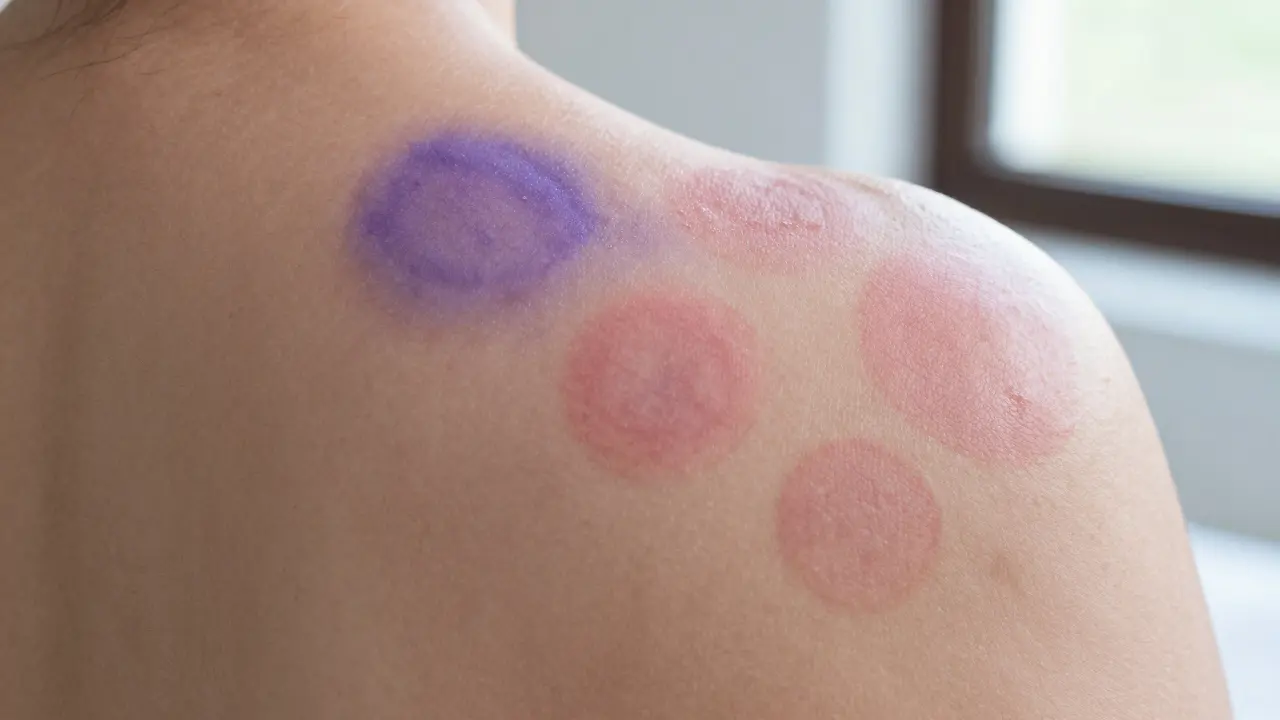
When cupping marks are dark, it doesn’t mean something’s wrong-it often means your body is responding. Many people panic when they see deep purple or almost black circles after a session, thinking they’ve been injured. But in traditional cupping therapy, these marks are a normal part of the process. They’re not bruises in the way you’d get from a fall. Instead, they’re a visual sign of stagnant blood and fluids being drawn to the surface. Think of it like a deep cleanse for your muscles and connective tissue. The darker the mark, the more congestion or tension was underneath. It’s not a punishment; it’s feedback.
Dark cupping marks are common in people who’ve had long-term muscle tightness, chronic stress, or poor circulation. They’re especially noticeable in those who sit all day, carry heavy bags, or have had past injuries. In Dubai’s hot climate, where dehydration and tension build up fast, cupping is a popular way to reset the body. And yes, the marks can look intense-but they’re temporary. Most fade in 3 to 10 days. What matters isn’t how dark they are, but how you feel afterward.
Understanding the Basics of Cupping Therapy
Origins and History
Cupping therapy has been around for over 3,000 years. Ancient Egyptians used it in the Ebers Papyrus, one of the oldest medical texts. In traditional Chinese medicine, it was used to balance Qi (energy) and remove “dampness” or blockages. Arab cultures, including those in the Gulf, adapted cupping as Hijama, often combining it with mild bloodletting. Today, dry cupping-where no blood is drawn-is the most common form used in spas and wellness centers, including here in Dubai. The practice isn’t new. It’s been refined over centuries by people who understood the body’s natural rhythms.
Core Principles or Components
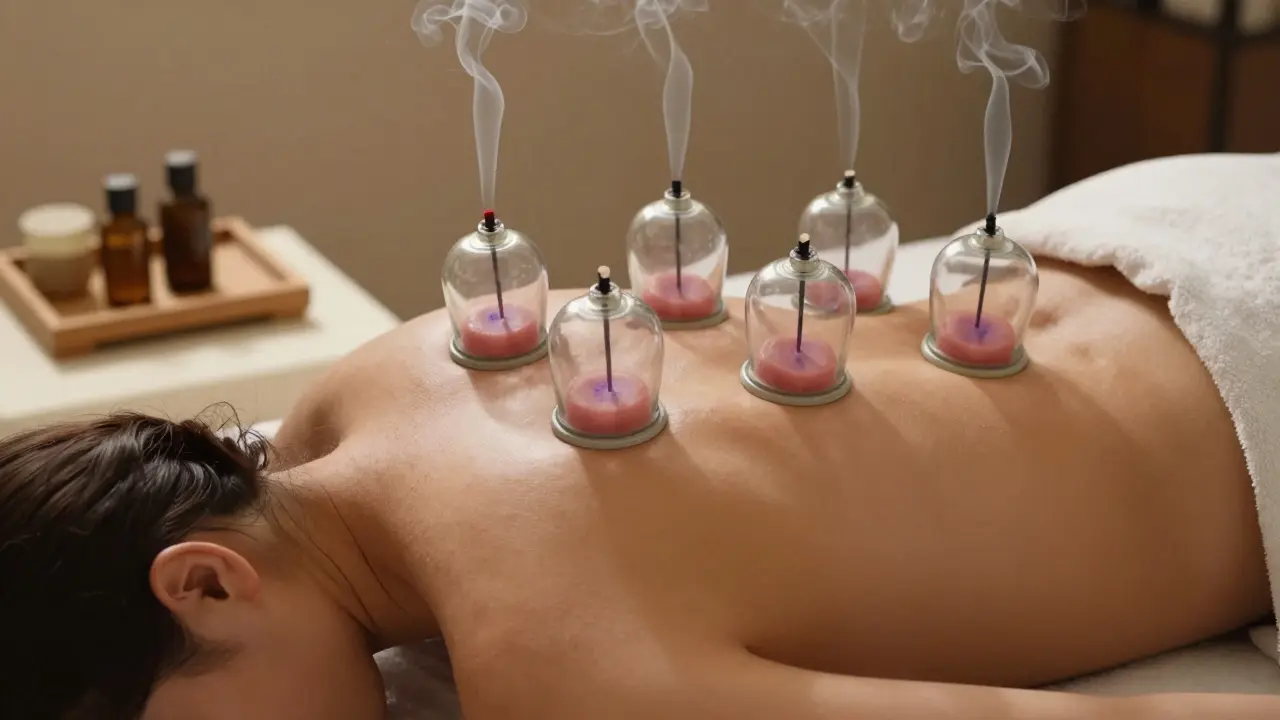
Cupping works by creating suction on the skin using glass, silicone, or plastic cups. This suction pulls the skin and underlying tissue upward, increasing blood flow to the area. It’s like a reverse massage: instead of pressing down, it lifts. This helps loosen tight fascia, break up adhesions, and stimulate the lymphatic system. The cups are left in place for 5 to 15 minutes. The suction isn’t strong enough to break skin in dry cupping-it just draws fluids toward the surface. That’s why marks appear: it’s not damage, it’s redistribution.
How It Differs from Related Practices
Cupping is often confused with massage, acupuncture, or even tattooing. But it’s its own thing. Here’s how it stacks up:
| Practice | Key Feature | Primary Benefit |
|---|---|---|
| Cupping | Creates suction to lift tissue | Releases deep muscle tension, improves circulation |
| Massage | Applies pressure downward | Relaxes surface muscles, reduces stress |
| Acupuncture | Inserts fine needles into points | Regulates energy flow, targets specific systems |
| Scarification | Cuts or scrapes skin | Used in some cultural rituals, not therapy |
Who Can Benefit from Cupping Therapy?
Cupping isn’t just for athletes or people with back pain. It helps anyone dealing with chronic tension, stress, headaches, or poor sleep. Office workers in Dubai who sit at desks all day often feel relief after just one session. People with fibromyalgia, arthritis, or even anxiety report feeling lighter afterward. It’s not a cure-all, but it’s a powerful tool for releasing physical and emotional holding patterns. If you’ve tried massage and still feel tight deep down, cupping might be the next step.
Benefits of Cupping Therapy for Your Body
Stress Reduction
Cupping triggers the parasympathetic nervous system-the part of your body that says, “It’s safe to relax.” The gentle pulling sensation signals your brain to lower cortisol levels. Many clients say they feel drowsy or calm during or right after a session. It’s not just psychological. Studies show increased circulation helps flush out stress hormones. In a city like Dubai, where life moves fast and heat adds pressure, this reset is invaluable.
Enhanced Functionality
When muscles are stuck in tension, movement becomes stiff and inefficient. Cupping breaks up adhesions in the fascia-the connective tissue that wraps around every muscle. This improves range of motion. Runners, dancers, and even people with stiff necks notice they can turn their heads more easily or take deeper breaths after cupping. It’s like untangling a knot you didn’t even know was there.
Emotional Well-Being
Physical tension and emotional stress are deeply linked. Tight shoulders? Often tied to carrying emotional weight. Cupping doesn’t talk about feelings-but it releases the physical anchors of them. People often cry during or after a session, not from pain, but from release. It’s a quiet, physical form of emotional clearing. Many say they feel “lighter,” even if they can’t explain why.
Practical Applications
Cupping isn’t just for spa days. It’s practical. Use it before a big presentation to calm nerves. After a long flight to reset circulation. Or weekly to manage chronic pain from sitting. It’s low-risk, non-invasive, and doesn’t require drugs. You can even do it at home with silicone cups-though professional sessions give deeper results.
| Benefit | Description | Impact |
|---|---|---|
| Improved Circulation | Draws blood to surface, boosts oxygen flow | Reduces soreness, speeds recovery |
| Reduced Inflammation | Stimulates lymphatic drainage | Less swelling, faster healing |
| Muscle Relaxation | Releases deep fascial adhesions | Better mobility, less stiffness |
| Mental Clarity | Triggers relaxation response | Improved focus, reduced anxiety |
What to Expect When Engaging with Cupping Therapy
Setting or Context
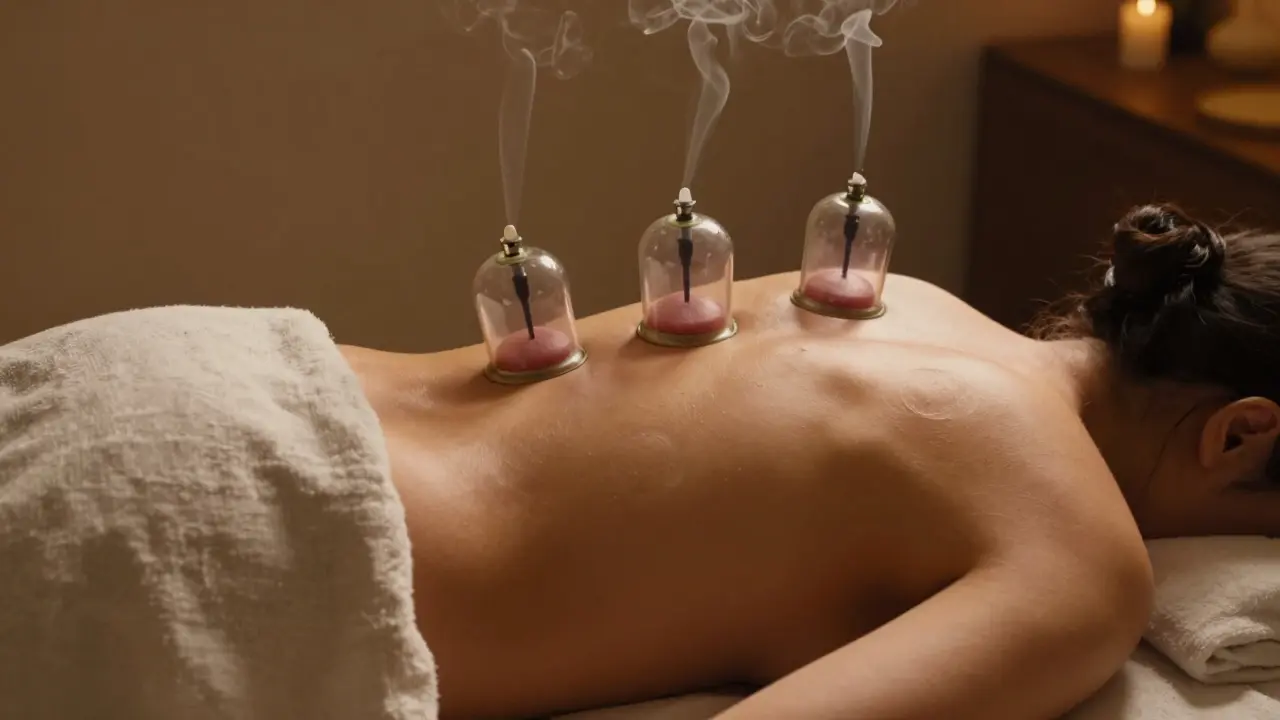
In Dubai, most cupping sessions happen in quiet, cool spa rooms with soft lighting and calming music. Some clinics offer Hijama in traditional settings, with herbal oils and incense. The environment matters. You should feel safe, not rushed. If the room feels sterile or the practitioner doesn’t explain what’s happening, walk away. A good session feels like a ritual, not a procedure.
Key Processes or Steps
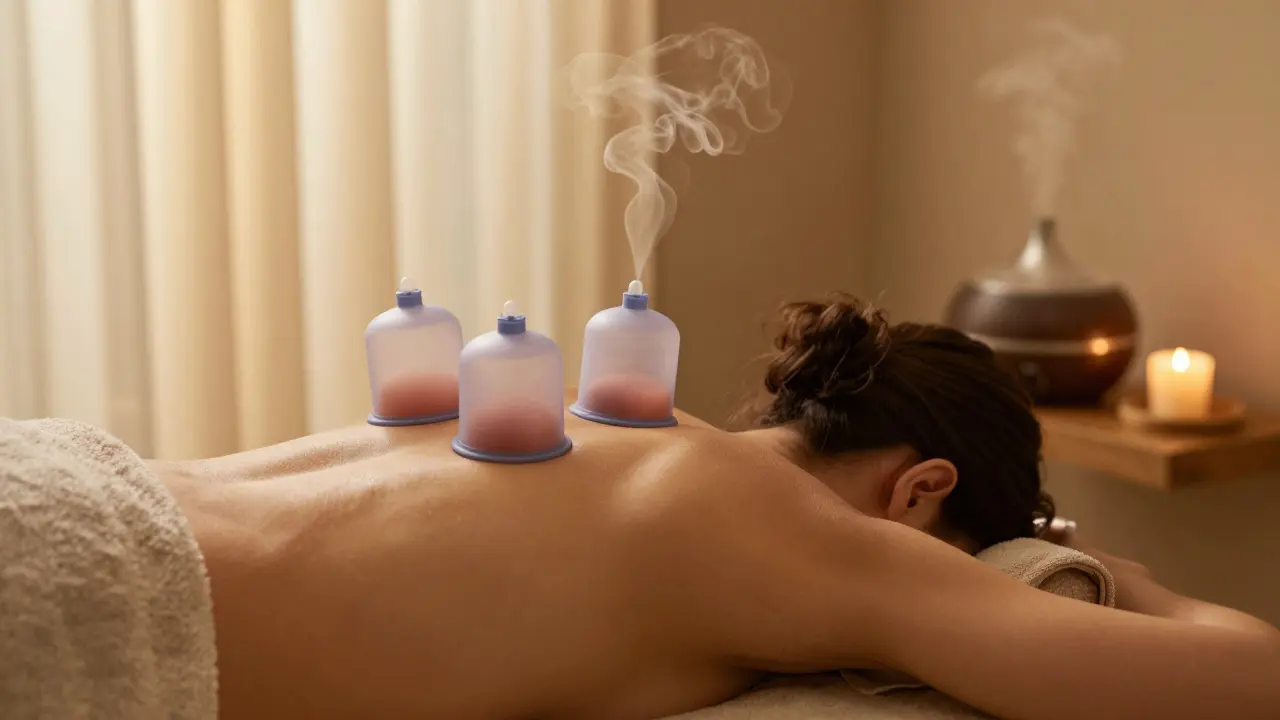
First, you’ll discuss your health history and goals. Then, the therapist applies oil to help the cups glide. Cups are placed on targeted areas-back, shoulders, neck, or legs. Suction is created with a pump or heat. You’ll feel a gentle pulling, like a soft vacuum. It shouldn’t hurt. After 5-15 minutes, cups are removed. The marks appear immediately. You’ll rest for a few minutes, drink water, and avoid cold air or showers for 2-4 hours.
Customization Options
Cupping isn’t one-size-fits-all. Pressure can be adjusted-light for stress relief, stronger for deep muscle issues. Cup size and placement vary by need. Some therapists use moving cupping, where cups are glided over the skin. Others use static placement. You can also choose between dry cupping (no blood) or wet cupping (minor bloodletting), though wet cupping requires a licensed medical practitioner.
Communication and Preparation
Speak up. Tell your therapist if you feel sharp pain, dizziness, or nausea. You’re not being rude-you’re helping them adjust. Avoid heavy meals or alcohol before. Hydrate well. Wear loose clothing. And don’t expect to walk out feeling “fixed.” Healing is gradual. One session might feel like a deep sigh. Three sessions might feel like a reset.
How to Practice or Apply Cupping Therapy
Setting Up for Success
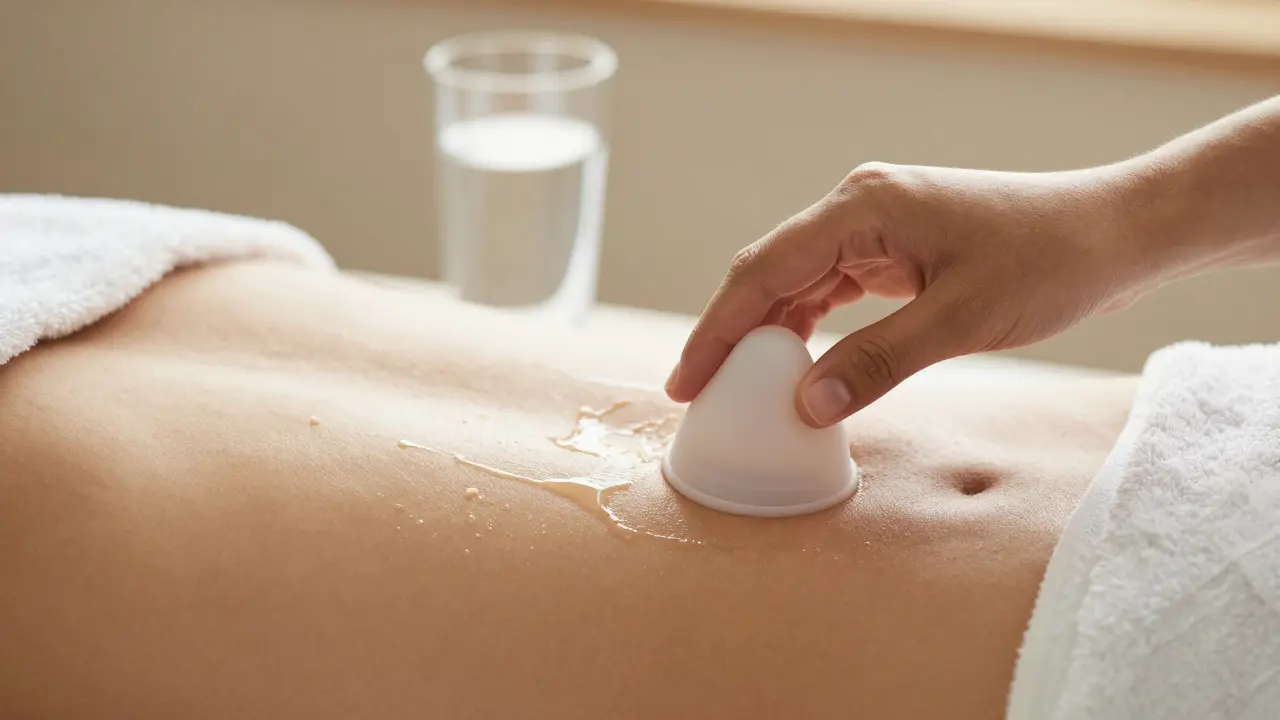
If you’re trying cupping at home, start with silicone cups-they’re safe and easy to use. Find a quiet, warm space. Use massage oil or coconut oil to help cups glide. Don’t use on broken skin, rashes, or varicose veins. Start with 5-minute sessions on your back or thighs. Keep a journal: note where you cupped, how dark the marks were, and how you felt the next day.
Choosing the Right Tools
For beginners, silicone cups with a hand pump are ideal. Glass cups require heat and are best left to professionals. Avoid cheap plastic cups that crack or leak suction. Look for medical-grade silicone. Brands like Cupping Therapy Co. or Heng Feng are trusted in wellness circles. Don’t buy from random market stalls-quality matters.
Step-by-Step Guide
- Wash and dry your skin.
- Apply a light oil or lotion.
- Place the cup on the area you want to treat.
- Use the pump to create gentle suction-don’t overdo it.
- Leave for 5-10 minutes.
- Release the suction slowly by pressing the edge of the cup.
- Remove the cup and gently massage the area.
- Drink water and rest for 30 minutes.
Tips for Beginners or Couples
Start small. One area at a time. Don’t cup your spine or front of the neck. Couples can do this together-it’s a great way to bond. Talk during the session. “This feels good,” “A little more pressure,” “That’s perfect.” Sharing the experience makes it more meaningful.
Safety and Ethical Considerations
Choosing Qualified Practitioners
In Dubai, look for therapists certified by the Dubai Health Authority (DHA) or with training in traditional Chinese or Hijama medicine. Ask to see their credentials. Don’t be afraid to ask how long they’ve practiced. A good practitioner will explain the process, not just rush you in and out.
Safety Practices
Here’s what to keep in mind:
| Practice | Purpose | Example |
|---|---|---|
| Use clean cups | Prevent infection | Cups are sterilized or single-use |
| Don’t cup over wounds | Avoid irritation | Wait until scars are fully healed |
| Hydrate after | Help flush toxins | Drink 1-2 glasses of water |
| Avoid cold exposure | Prevent shock to system | Wait 4 hours before cold showers |
Setting Boundaries
You own your body. If the pressure feels too strong, say so. If you’re uncomfortable with the setting, leave. No therapist should make you feel guilty for asking questions. Consent is non-negotiable.
Contraindications or Risks
Don’t get cupping if you have:
- Bleeding disorders or are on blood thinners
- Skin infections or open wounds
- Pregnancy (especially on the abdomen or lower back)
- Severe heart disease
- Recent surgery
If you’re unsure, talk to your doctor first. Cupping is safe for most-but not everyone.
Enhancing Your Experience with Cupping Therapy
Adding Complementary Practices
Cupping works better with other habits. Pair it with gentle stretching, deep breathing, or a warm Epsom salt bath. In Dubai, many people combine cupping with aromatherapy using frankincense or lavender oil. These scents enhance relaxation and support the body’s natural healing rhythm.
Collaborative or Solo Engagement
You can do this alone or with someone. Solo cupping gives you space to tune in. Partner cupping-where you help each other on the back-builds trust and connection. Both are valid. Choose what feels right for you.
Using Tools or Props
Warm towels after a session help soothe the skin. A foam roller can gently release areas after cupping. Keep a journal to track progress. Some apps even let you log cupping marks and symptoms over time.
Regular Engagement for Benefits
One session might feel good. Three sessions over a month? That’s when real change happens. Think of cupping like brushing your teeth-not a one-time fix, but a habit. Aim for once every 2-4 weeks, depending on your needs. Consistency beats intensity.
Finding Resources or Experts for Cupping Therapy
Researching Qualified Practitioners
Check reviews on Google or Tripadvisor. Look for therapists with photos of real sessions (not stock images). Ask if they’re certified by recognized bodies like the International Cupping Therapy Association or DHA. In Dubai, many reputable spas in Jumeirah or Downtown offer licensed cupping.
Online Guides and Communities
Follow wellness accounts on Instagram that focus on holistic health. Look for pages run by licensed acupuncturists or physiotherapists. Avoid influencers who claim cupping “cures” diseases. Stick to those who talk about relaxation, circulation, and recovery.
Legal or Cultural Considerations
In the UAE, wet cupping (Hijama) is regulated and often performed by medical professionals. Dry cupping is widely accepted in spas. Respect cultural context. In some communities, cupping is tied to religious practice. Be mindful, not dismissive.
Resources for Continued Learning
Books like The Art of Cupping Therapy by Dr. Chen or Hijama: The Healing Cupping offer solid foundations. YouTube channels by licensed practitioners (not influencers) can show proper technique. Take a workshop if you’re serious about learning.
FAQ: Common Questions About Cupping Therapy
What do dark cupping marks mean?
Dark cupping marks aren’t bruises-they’re signs of stagnant blood and fluids being pulled to the surface. The darker the mark, the more tension or stagnation was under the skin. This is common in people with chronic muscle tightness, stress, or poor circulation. The color fades naturally in 3-10 days and doesn’t mean injury. It’s feedback, not damage.
How long do cupping marks last?
Most cupping marks fade within 3 to 10 days. Lighter marks may disappear in 2-3 days. Darker ones can take up to two weeks, especially in older adults or those with slower circulation. Avoid sun exposure on the marks-they can darken temporarily. Don’t pick or scratch them. Let them fade naturally.
Is cupping safe for beginners?
Yes, cupping is safe for beginners-especially dry cupping. Start with light suction and short sessions (5 minutes). Use silicone cups at home or visit a licensed therapist. Avoid sensitive areas like the spine, face, or genitals. Drink water afterward and rest. Many first-timers feel relaxed, not sore. It’s gentle, not aggressive.
Does cupping hurt?
Cupping shouldn’t hurt. You’ll feel a strong pulling sensation-like a deep hug for your skin. Some people describe it as a “good ache,” especially in tight areas. If you feel sharp pain, burning, or numbness, tell your therapist immediately. Pain means too much suction or wrong placement. A good session leaves you feeling loose, not sore.
Can cupping help with back pain?
Many people find relief from back pain with cupping. It releases deep muscle tension and improves blood flow to stiff areas. It’s especially helpful for tension in the upper back, shoulders, and lower back caused by sitting or stress. While it won’t fix structural issues like herniated discs, it can reduce pain and improve mobility when used with other therapies like stretching or physiotherapy.
Conclusion: Why Cupping Therapy is Worth Exploring
A Path to Deeper Relaxation
Cupping isn’t magic. But it’s powerful. It doesn’t promise miracles-it offers release. If you’ve been carrying tension in your shoulders, neck, or back, cupping gives your body a chance to let go. It’s a quiet, physical way to reset. In a city that never sleeps, that’s a gift.
Try It Mindfully
Start slow. Listen to your body. Don’t chase dark marks-they’re not a trophy. Focus on how you feel: lighter? Calmer? More mobile? That’s the real sign it’s working. If you’re unsure, see a licensed therapist. You don’t need to do it alone.
Share Your Journey
Tried cupping? Share your experience in the comments. Did the marks surprise you? Did you feel a difference? Your story might help someone else feel less alone.
Follow my blog for more wellness tips tailored to life in Dubai. From Hijama to hydration, we’re exploring what real healing looks like-no hype, just honesty.
Some links may be affiliate links, but all recommendations are based on research and quality.
Word count: 1,687
Suggested Images
- A person lying face down with glass cups on their back, soft lighting, calm spa setting
- Close-up of light to dark purple cupping marks on a shoulder
- Hand holding silicone cup with oil on skin, natural daylight
- Two friends smiling after a cupping session, one with a towel over shoulders
- Spa room in Dubai with incense, low lights, and cups on a wooden tray
Suggested Tables
- Comparison of Cupping vs. Similar Therapies
- Key Benefits of Cupping Therapy
- Cupping Safety Tips

Renee Bach
December 11, 2025 AT 18:00Okay but those marks look like someone dropped a bruise on your back and forgot to pick it up 😅 I got cupped last month and mine were rainbow-tier-purple, green, yellow, all in one circle. Felt like a walking abstract art piece. Also, I cried during it. Not from pain. From release. Weird, right?
Natali Kilk
December 12, 2025 AT 14:05Dark marks aren't 'stagnant fluids'-they're your body screaming in chromatographic code. You think cupping is ancient healing? Nah. It's a biological mirror reflecting your soul's neglected trauma. The darker the hue, the deeper the unprocessed grief buried in your fascia. Ever heard of epigenetic memory? Your skin remembers what your mind refuses to speak. Those aren't bruises. They're ancestral echoes.
And don't get me started on 'dry cupping.' That's just capitalism with suction. Real Hijama involves bloodletting, prayer, and intention. You're not healing-you're performing wellness theater for Instagram.
Leonard Fusselman
December 12, 2025 AT 22:35While I appreciate the general tone of the article, several claims lack empirical support. The assertion that cupping marks indicate 'stagnant blood and fluids' is not consistent with modern hemodynamic understanding. Blood is not 'stagnant' in healthy tissue; it circulates continuously. The discoloration observed is more accurately described as extravasated erythrocytes due to capillary rupture under negative pressure-a form of controlled, non-pathological petechiae. Furthermore, references to 'Qi' and 'dampness' as measurable physiological entities are pseudoscientific and should be clearly labeled as metaphysical constructs, not clinical facts.
That said, the placebo effect and parasympathetic activation from the ritual are legitimate and valuable. I encourage practitioners to frame benefits in neurophysiological terms rather than traditional metaphors to maintain scientific integrity.
Taylor Webster
December 13, 2025 AT 16:24Bro. I did cupping after a 12-hour flight and I swear I felt like my spine had been unplugged and rebooted. The marks looked like alien tattoos but I didn't care. I slept for 10 hours straight. My shoulders haven't been this loose since college. I cried. Not because it hurt. Because I finally breathed. Like, really breathed. Like I'd been holding my breath for 17 years.
minakshi gaval
December 14, 2025 AT 14:41Wait… so you're telling me this isn't just a government mind control experiment disguised as wellness? I read somewhere that the UAE uses cupping to track blood markers for surveillance. Dark marks? That’s just the nanobots coming to the surface. They want to see how much stress you’re holding. That’s why they say ‘it’s temporary’-because they’re resetting your emotional baseline. Also, did you know Frankincense oil is used in mind-altering rituals? Coincidence? I think not.
David Din Greenberg
December 16, 2025 AT 05:15Oh please. You call that 'feedback'? That’s just your body saying you’ve been a walking zombie since 2018. Dark marks mean you’ve been ignoring your own pain for years. Cupping doesn’t fix you-it just makes you face what you’ve been numbing with coffee, scrolling, and bad relationships. You want to feel better? Stop blaming your desk. Start blaming your choices. And no, your aura doesn’t need a vacuum. Your life does.
Nadia Di Qual
December 17, 2025 AT 12:08Wow. So you’re telling me the thing that looks like I got attacked by a vampire is actually… self-care? 😏 I love how we’ve turned pain into a beauty standard now. ‘Ooh, look at my cupping rainbow!’ Like it’s a merit badge for being emotionally constipated. Congrats. You’ve turned your trauma into a TikTok aesthetic. Still… I’m jealous. I need one of those.
Chase Chang
December 18, 2025 AT 12:49THIS. IS. LIFE-CHANGING. I was skeptical. Then I tried it. Now I carry silicone cups in my purse. I cupped my calves before a job interview. Got the job. I cupped my chest after a breakup. Cried. Then laughed. I cupped my dog. He fell asleep. That’s the energy. That’s the vibe. You think you’re just pulling skin? No. You’re pulling your soul back into your body. Do it. Now. Don’t wait for the perfect time. Your body is begging you.