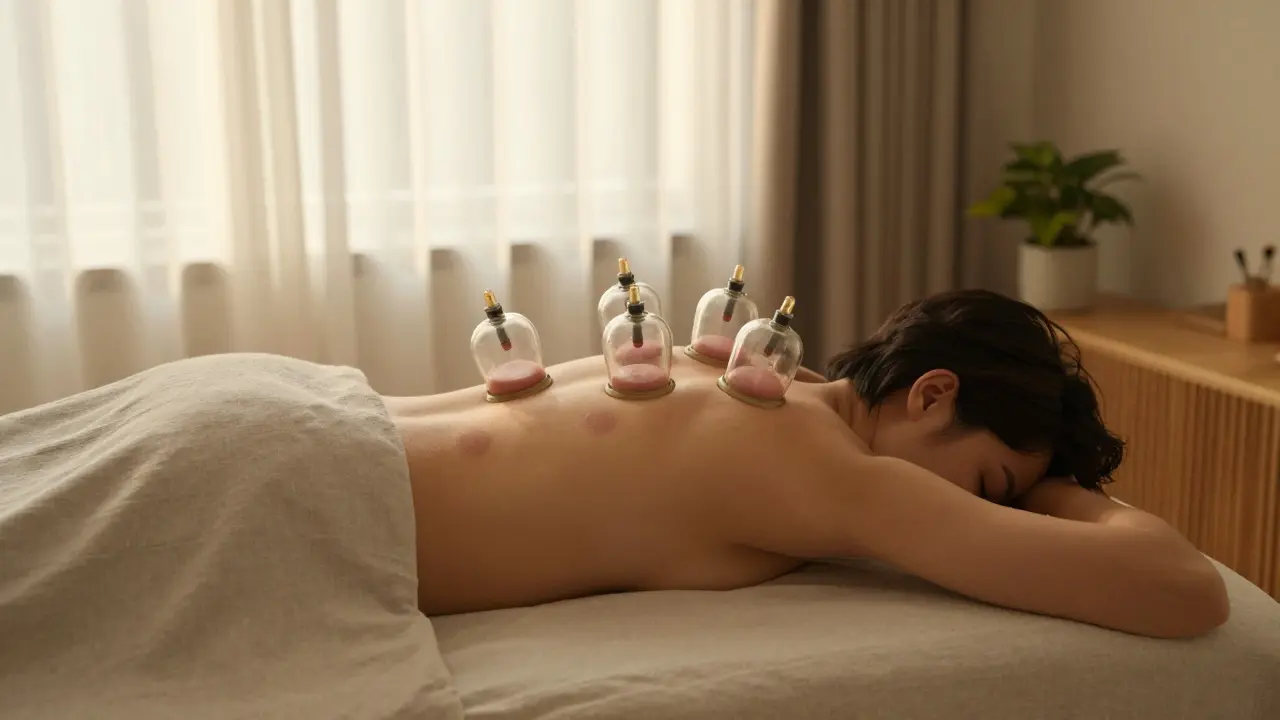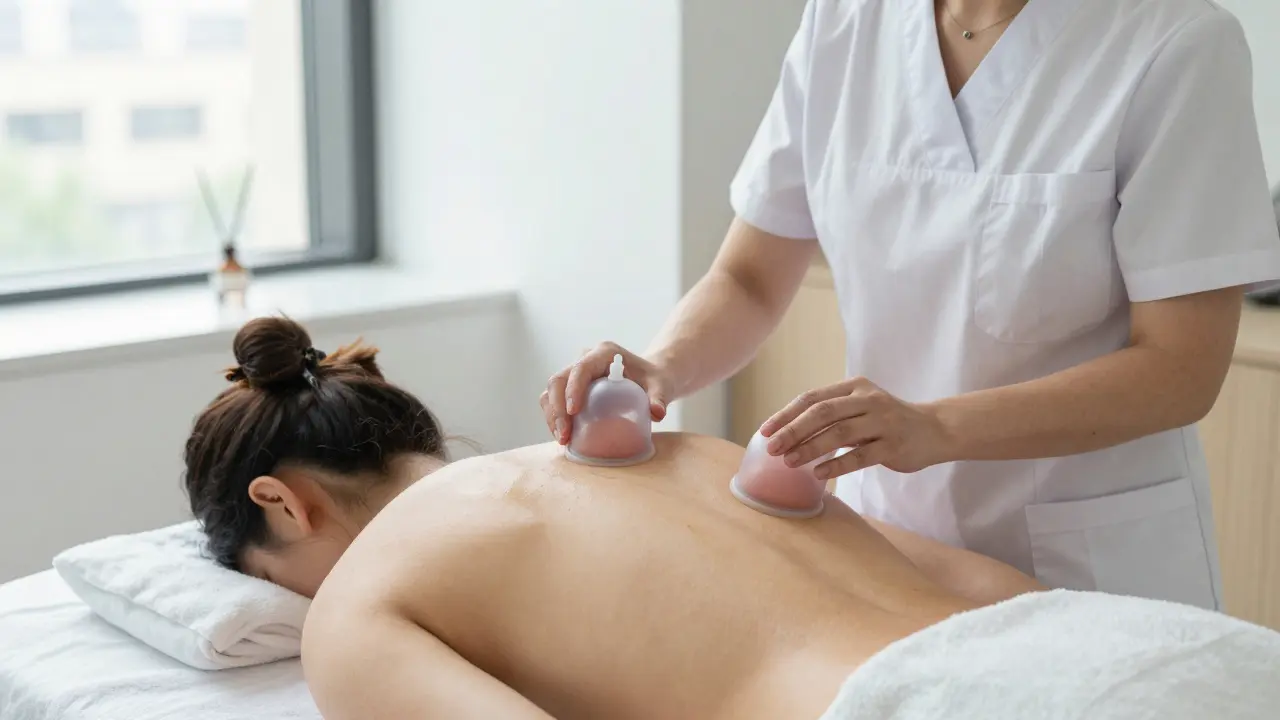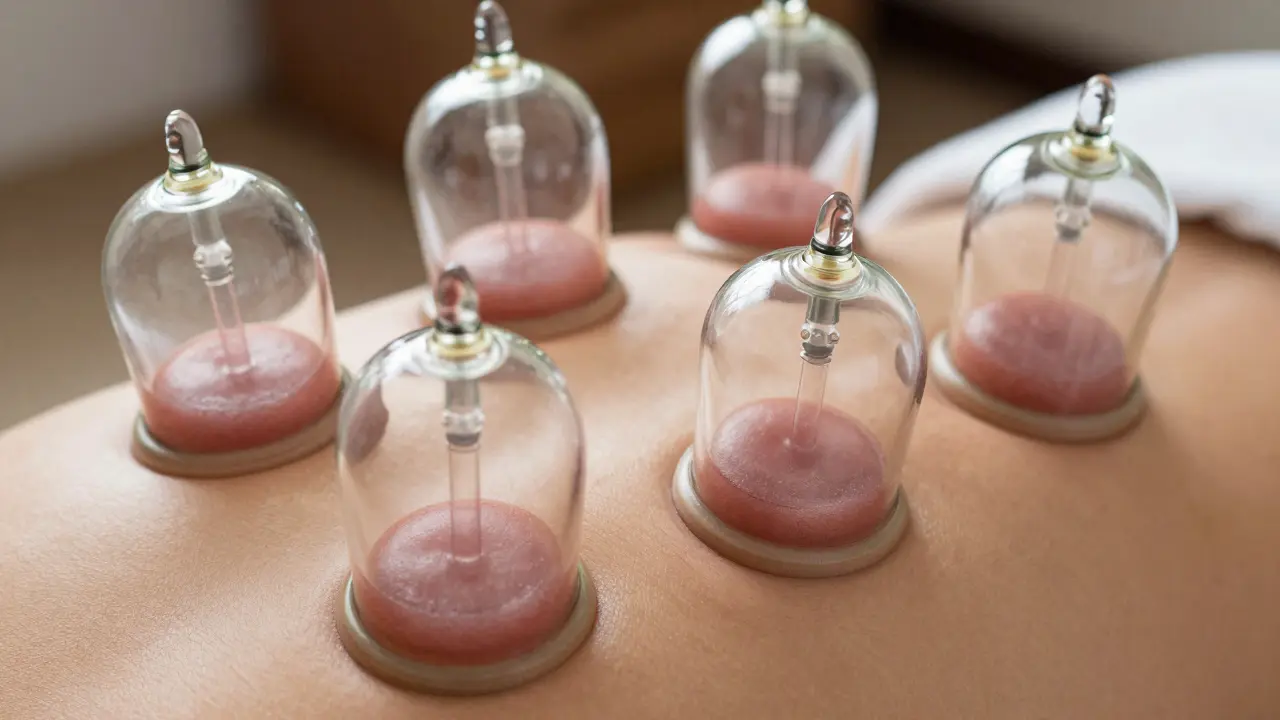
Have you ever wondered about those circular marks athletes walk around with after major tournaments? Those aren't just mysterious stamps-they're the signature sign of cupping therapy. This ancient healing technique creates suction on your skin to promote blood flow and release muscle tension.. It might look intense, but many people find it deeply relaxing. If you're curious about how this treatment helps the body and whether it's right for your wellness routine, you've come to the right place. We'll break down exactly what happens during a session, the science behind the suction, and how to stay safe while exploring this popular modality in Dubai and beyond.
Some links may be affiliate links, but all recommendations are based on research and quality.
Understanding the Basics of Cupping Therapy
Cupping isn't something brand new, even if social media makes it feel trendy. It's been around for thousands of years, rooted heavily in traditional practices across different cultures. Understanding where it comes from helps demystify why it's still used today in modern clinics.
Origins and History
The roots of this practice stretch back to Ancient Egypt, China, and the Middle East. In Traditional Chinese Medicine (TCM), practitioners believed it moved 'Qi', or energy, through meridians in the body. While modern Western medicine views it differently, focusing on tissue manipulation rather than energy lines, the physical method remains largely the same. You place cups on the skin, create a vacuum, and let them sit for several minutes.
Core Principles or Components
At its heart, the therapy relies on suction. Unlike massage, which pushes down into the muscle, cupping pulls the skin and tissue upward. Think of it as reverse pressure. This lifting action stretches the fascia, improves local circulation, and encourages the lymphatic system to flush out waste products. Whether using glass, silicone, or bamboo cups, the goal is to stimulate the area beneath the surface.
| Practice | Key Feature | Primary Benefit |
|---|---|---|
| Cupping Therapy | Suction / Uplift | Increases blood flow, releases fascia |
| Massage Therapy | Compression / Stroke | Kneads muscle tissue, reduces knots |
| Acupuncture | Needles / Points | Balances energy, pain relief |
Who Can Benefit from Cupping Therapy?
While professional athletes often get headlines for getting marked up before events, regular folks benefit just as much. If you spend hours at a desk with tight shoulders or deal with chronic lower back stiffness, this treatment can offer significant relief. It's particularly helpful for individuals recovering from injuries who need to improve mobility without aggressive rubbing of the tissues.
Benefits of Cupping Therapy for Your Wellness
Why book a session if you aren't sure what you'll get out of it? The advantages go beyond just feeling a bit looser. Regular sessions can contribute to overall health improvements.
Pain Reduction and Management
One of the most cited reasons for trying this therapy is chronic pain management. By increasing blood supply to the affected area, the body can repair damaged tissue faster. Many users report immediate relief from neck tension or lower back strain. It doesn't cure every condition instantly, but it acts as a powerful tool in a broader pain management plan.
Enhanced Functionality and Mobility
Restricted movement often stems from stiff fascia. Since cupping lifts this layer of connective tissue, it can help restore range of motion. Imagine stretching a rubber band that has been left stretched in one spot for years; cupping helps reset that elasticity so you can move freely again.
Emotional Well-Being
The sensation of suction triggers a deep parasympathetic response in some people. That means your nervous system shifts into 'rest and digest' mode. Instead of feeling stressed or anxious, you feel calmer after the session. It's often described as a mental reset button that complements physical relief.
| Benefit | Description | Impact |
|---|---|---|
| Pain Relief | Reduces soreness in muscles and joints | Improved daily comfort |
| Blood Circulation | Draws fresh blood to the area | Faster tissue healing |
| Relaxation | Calms the nervous system | Reduced stress levels |
What to Expect When Engaging with Cupping Therapy
If you haven't booked a session yet, you might be wondering about the logistics. Knowing the environment helps reduce anxiety.
Setting or Context
You'll typically receive this treatment in a calm setting, often within a holistic clinic, spa, or sports recovery center. Privacy is paramount, similar to receiving a massage. You won't be exposed unnecessarily; draping techniques ensure only the treated area is uncovered.
Key Processes or Steps
A typical session follows a clear sequence. First, the practitioner cleans your skin. Then, they place cups on target areas like the back, shoulders, or legs. Some methods involve static cups, while others involve sliding the cups along the skin (often called "flash cupping"). They usually stay on for five to fifteen minutes before removal. You might feel a pulling sensation, but it shouldn't hurt sharply.
Communication and Preparation
Your comfort matters. If the suction feels too intense, tell the therapist immediately. They can adjust the vacuum level. Before your appointment, avoid eating a heavy meal and wear loose clothing for easy access to skin areas.
How to Practice or Apply Cupping Safely
While home kits exist, seeing a professional is recommended for your first experience. If you want to try self-care, proceed with caution.
Choosing the Right Tools or Resources
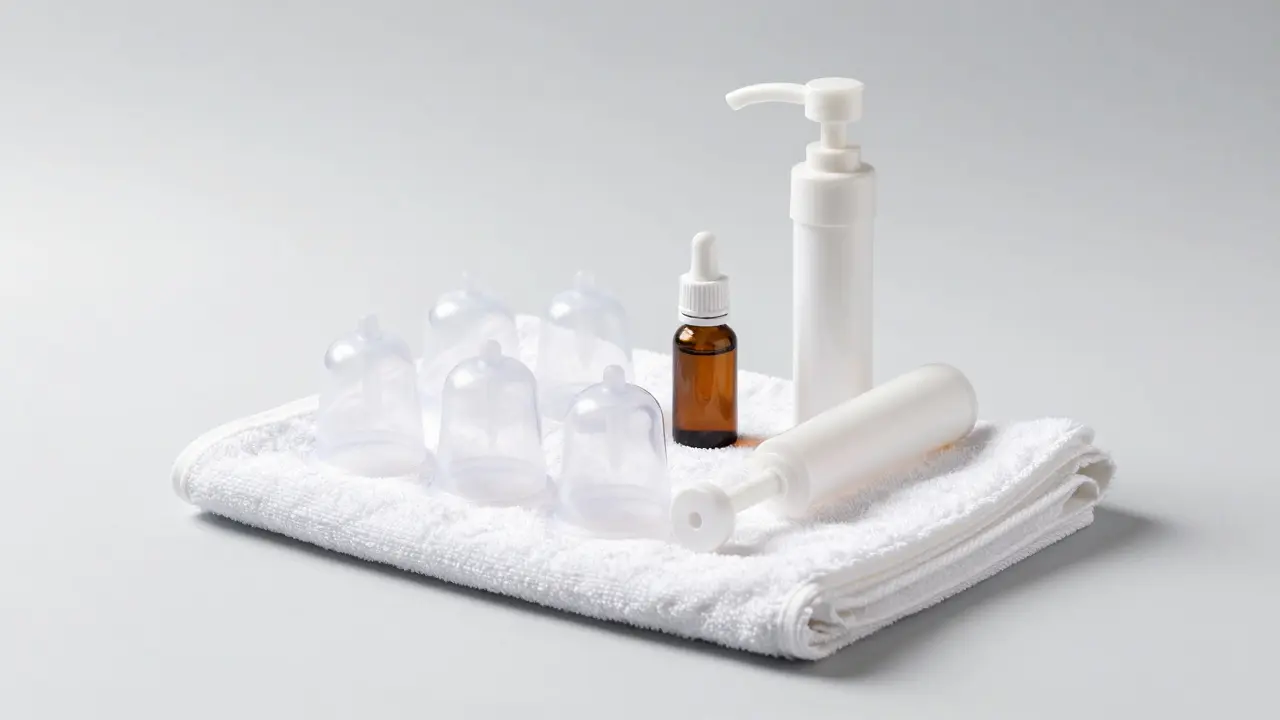
Glass cups traditionally required fire to create suction, but modern silicone cups have squeeze valves. Silicone is easier for beginners to manage safely. Never use glass cups unless you are trained, as overheating is a real risk.
Tips for Beginners
Start slow. Limit sessions to once a week initially. Stay hydrated before and after to help your body flush out toxins released during treatment. Keep your skin moisturized afterward to prevent dryness.

Safety and Ethical Considerations
Cupping isn't suitable for everyone. Knowing the risks ensures you stay safe.
| Practice | Purpose | Example |
|---|---|---|
| Vacuum Control | Prevent bruising/burns | Adjust pump to low pressure |
| Skin Check | Prevent infection | Inspect for rashes before placing |
| Duration | Avoid tissue damage | Remove cups after 15 mins |
Contraindications or Risks
Avoid this therapy if you have open wounds, broken skin, or sunburn in the area. Pregnant women should consult their doctor before proceeding. There are also risks associated with blood thinners, as the suction might cause excessive bleeding under the skin.
Enhancing Your Experience with Cupping Therapy
To get the most out of each visit, consider complementary habits.
Adding Complementary Practices
Mixing cupping with stretching or yoga can amplify results. Deep breathing exercises during the session also heighten the relaxation effect.
Regular Engagement for Benefits
Consistency is key. A single session offers temporary relief, but booking treatments regularly builds long-term flexibility and reduced tension.
Finding Resources or Experts for Cupping Therapy
In Dubai and online, options vary widely.
Researching Qualified Experts
Look for certified therapists. Credentials like those from the American Acupuncture Council or local medical board certifications add trust. Read reviews focusing on cleanliness and professionalism.
FAQ: Common Questions About Cupting Therapy
Readers often ask specific questions before booking. Here are the answers to the most common queries.
Does cupping hurt during the session?
Most people describe the sensation as a firm pull rather than pain. If it becomes painful, the therapist should reduce the suction. Some soreness may occur the next day, similar to a good workout.
Will cupping leave scars or permanent marks?
It leaves temporary circular discolorations known as 'bruises,' but they aren't true scars. These marks fade within a few days to two weeks depending on your body's detox speed.
Is cupping safe for pregnant women?
Pregnancy generally contraindicates cupping on the abdomen and lower back. Always consult your obstetrician before scheduling a session during pregnancy.
How often should I get cupped?
For maintenance, once a month works well. For acute issues, weekly sessions for three weeks might be recommended. Listen to your body's signals.
Can I use home cupping kits?
Yes, but use silicone pumps designed for safety. Start with very low pressure and limit time. Professionals recommend learning basic anatomy first.
Conclusion: Why Cupping is Worth Exploring
Cupping bridges ancient wisdom with modern recovery needs. It offers a unique way to address tension that standard massage sometimes misses. By creating gentle negative pressure, it invites the body to heal itself naturally.
A Path to Physical Balance
This practice isn't magic, but it is a valuable tool. If you're dealing with stubborn knots or general fatigue, integrating it into your wellness routine could change how you move and feel.
Try It Mindfully
Always seek professional guidance for your first attempts. Don't rush into strong suction if you aren't familiar with your body's tolerance.
Share Your Journey
Tried this treatment? Share your thoughts in the comments! Follow my blog for more wellness tips and updates on the latest spa trends in Dubai.
Visual Suggestions:
- Image 1: Close-up of glass cups placed on a client's back showing suction circles.
- Image 2: A serene spa environment with soft lighting and massage table setup.
- Image 3: Silicone hand pump cupping tools displayed neatly.
- Image 4: Diagram comparing muscle fibers before and after suction.
- Image 5: Person drinking water post-treatment emphasizing hydration.
- Table 1: Cupping vs. Massage comparison chart.
- Table 2: Key benefits and physiological impacts.
- Table 3: Safety precautions and contraindications checklist.