
What happens if you steam room every day? It sounds relaxing-stepping into warm, moist air that wraps around your skin, loosens your muscles, and clears your head. But doing it every day? That’s a different story. Some people swear by it. Others feel dizzy or drained. So what’s really going on when you step into that steam every single day? Let’s break it down without the hype.
Understanding the Basics of Steam Rooms
Origins and History
Steam rooms aren’t new. Ancient Romans built public baths with heated rooms filled with moist air. The Turks took it further with hammams-social spaces where people cleaned, relaxed, and connected. Native American sweat lodges used steam and heat for spiritual cleansing. Today, steam rooms are common in spas, gyms, and luxury hotels. They’ve evolved from ritual to routine, but the core idea stays the same: heat + moisture = deep relaxation.
Core Principles or Components
A steam room works by heating water into vapor, raising the air temperature to about 110-115°F (43-46°C) with nearly 100% humidity. This moist heat opens your pores, softens your skin, and makes your body work harder to cool itself. Your heart rate increases slightly, your blood vessels widen, and sweat pours out. Unlike dry saunas, steam rooms don’t dry your skin-they hydrate it. The moisture helps your body release toxins, eases stiff joints, and calms your nervous system.
How It Differs from Related Practices
People often mix up steam rooms and saunas. They look similar, but they’re not the same. Here’s how they stack up:
| Feature | Steam Room | Dry Sauna |
|---|---|---|
| Temperature | 110-115°F (43-46°C) | 150-195°F (65-90°C) |
| Humidity | 100% | 10-20% |
| Heat Type | Mist, moist heat | Dry, radiant heat |
| Best For | Hydration, congestion relief, skin softening | Sweating, muscle recovery, deep heat |
Who Can Benefit from Steam Rooms?
Most healthy adults can enjoy steam rooms safely. People with chronic congestion, stiff muscles, or high stress levels often feel immediate relief. Athletes use them to loosen tight tissues. Those with dry skin or eczema find the humidity soothing. But if you have heart conditions, low blood pressure, or are pregnant, you should talk to a doctor first. The heat puts extra strain on your body, and not everyone can handle it.
Benefits of Steam Room Use for Body and Mind
Stress Reduction
When you’re in a steam room, your body naturally shifts into rest mode. The warmth tells your nervous system: “It’s safe to relax.” Your cortisol levels drop, your breathing slows, and your mind quiets. Many users say it’s like hitting a mental reset button. Think of it as a warm hug for your nervous system-no words needed.
Enhanced Respiratory Function
The moist air in a steam room helps thin mucus and open nasal passages. If you suffer from allergies, colds, or sinus pressure, daily steam can be a game-changer. Breathing becomes easier. Some people even use essential oils like eucalyptus to boost the effect. It’s not a cure, but for many, it’s a daily relief that beats nasal sprays.
Improved Skin Health
Steam opens your pores, flushes out dirt, and increases circulation. This helps your skin absorb moisture better and reduces breakouts. People with acne or dry patches often notice smoother, clearer skin after consistent use. It’s not a replacement for skincare-but it’s a powerful helper.
Recovery and Muscle Relief
After a tough workout, steam rooms can ease soreness. The heat increases blood flow to tired muscles, helping them recover faster. Unlike ice baths that reduce inflammation, steam promotes healing by bringing in fresh oxygen and nutrients. Many athletes use it between training sessions to stay loose and prevent injury.
What to Expect When Engaging with a Steam Room Daily
Setting or Context
Most steam rooms are small, tiled rooms with a bench and a steam generator. You’ll find them in spas, gyms, or high-end hotels. If you’re using one at home, it’s usually built into a bathroom with proper ventilation. The air feels thick and warm. You’ll sweat quickly, even if you’re just sitting still. It’s not about intensity-it’s about surrender.
Key Processes or Steps
Here’s what a typical daily session looks like:
- Hydrate before you go. Drink a glass of water.
- Strip down to a towel or swimwear. No lotions or oils-they clog pores.
- Step in, sit or lie down, and breathe slowly.
- Stay for 15-20 minutes. Don’t push past discomfort.
- Step out, cool down with a lukewarm shower, then drink more water.
Customization Options
You can make your steam room experience more personal. Add a few drops of essential oils to the steam vent-lavender for calm, peppermint for energy. Play soft music. Bring a book. Or just close your eyes and listen to the hiss of the steam. The goal isn’t to do more-it’s to feel more.
Communication and Preparation
If you’re in a public steam room, be mindful of others. Keep noise low. Don’t linger if someone’s waiting. Always shower before entering-it’s hygiene 101. And if you feel lightheaded, dizzy, or nauseous, get out immediately. Your body’s telling you something.

What Happens If You Steam Room Every Day?
Here’s the real answer: it depends.
For some, daily steam becomes a ritual-like brushing teeth or meditating. They feel calmer, sleep better, and notice fewer colds. Their skin glows. Their muscles stay loose. They look forward to it.
For others, daily use backfires. Too much heat, too often, can lead to dehydration, dizziness, or even fainting. Your body needs recovery time. Overdoing steam rooms can stress your cardiovascular system, especially if you’re not hydrating enough. Some people report dry skin after weeks of daily use-ironic, since steam is supposed to hydrate. Why? Because if you’re not drinking water, your body pulls moisture from where it can.
Experts suggest 3-4 times a week is ideal for most people. Daily use isn’t harmful for everyone, but it’s not necessary. Your body doesn’t need constant heat. It needs balance.
Safety and Ethical Considerations
Choosing Qualified Facilities
If you’re using a public steam room, check if it’s cleaned daily. Look for clear signs of maintenance-clean tiles, fresh air, no musty smells. Avoid places with visible mold or poor ventilation. A well-run facility will have a timer, a temperature monitor, and staff who know safety protocols.
Safety Practices
Here’s what to keep in mind:
| Practice | Purpose | Example |
|---|---|---|
| Hydrate before and after | Prevent dehydration | Drink 16 oz water before, another after |
| Limit sessions to 20 minutes | Avoid overheating | Set a timer |
| Don’t use alone if you’re new | Have someone nearby | Bring a friend or use a monitored facility |
| Wait 30 minutes after eating | Prevent dizziness | Don’t steam right after lunch |
Setting Boundaries
Your comfort matters. If the heat feels too intense, leave. If you’re not feeling well, skip the session. No one should pressure you to stay longer. Steam rooms are for your well-being-not a test of endurance.
Contraindications or Risks
Don’t use a steam room if you:
- Have uncontrolled high or low blood pressure
- Are pregnant
- Have a heart condition
- Are recovering from surgery
- Have open wounds or skin infections
- Are under the influence of alcohol or drugs
If you’re unsure, ask your doctor. Better safe than sorry.
Enhancing Your Experience
Add Complementary Practices
Pair steam with mindfulness. Sit quietly, focus on your breath. Afterward, stretch gently or sip herbal tea. Some people meditate in the steam room-it deepens the calm. Others follow it with a cold plunge for contrast. The combo can be powerful.
Collaborative or Solo Engagement
Steam rooms can be social or private. Some people enjoy quiet solitude. Others like to chat with a friend. Both are fine. Just respect others’ space. If you’re alone, use the time to reflect. If you’re with someone, keep it light. No heavy talks-this isn’t therapy.
Using Tools or Props
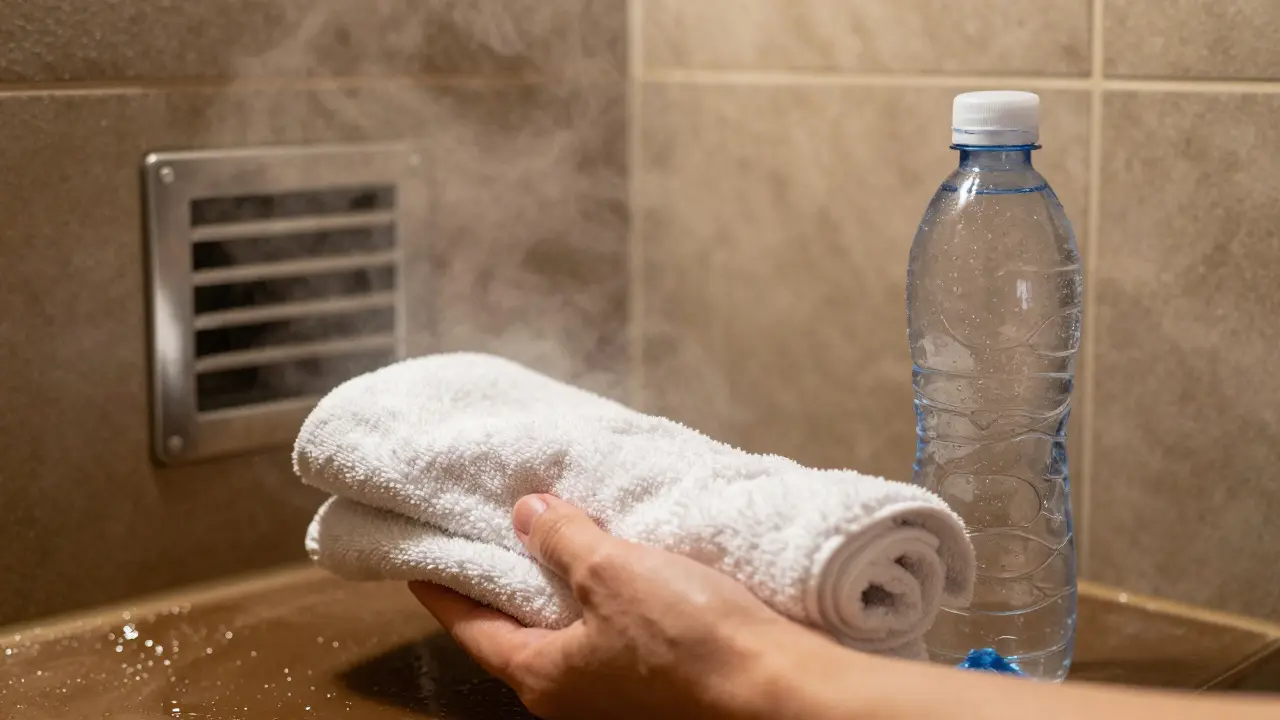
A towel is your best friend. Bring one to sit on, another to dry off. A waterproof book or journal can make time fly. Some use a small bottle of rosewater to spritz their face. A few drops of eucalyptus oil on a cloth near the steam vent can help breathing. Keep it simple.
Regular Engagement for Benefits
Consistency beats frequency. Three times a week for a month does more than seven times in one day. Your body responds to rhythm, not intensity. Find a schedule that fits your life. Maybe it’s Monday, Wednesday, Friday. Maybe it’s after your evening shower. Make it a habit-not a chore.
FAQ: Common Questions About Daily Steam Room Use
What happens if you steam room every day?
Daily steam room use can be soothing for some and overwhelming for others. For healthy adults, it may improve circulation, ease congestion, and soften skin. But daily exposure without proper hydration can lead to dizziness, dehydration, or skin irritation. Most experts recommend 3-4 sessions per week. Listen to your body-if you feel drained instead of refreshed, cut back.
Is daily steam room use safe?
For most healthy adults, yes-but only if done right. Stay hydrated, limit sessions to 15-20 minutes, and avoid it if you have heart issues, low blood pressure, or are pregnant. Daily use isn’t dangerous, but it’s not necessary either. Your body needs rest between heat sessions. Overdoing it can strain your cardiovascular system. Moderation is key.
Does daily steam help with weight loss?
No, steam rooms don’t burn fat or lead to lasting weight loss. The weight you lose during a session is water weight-your body replaces it as soon as you drink. While steam can support metabolism slightly by raising your heart rate, it’s not a weight-loss tool. Don’t use it for that purpose. Focus on hydration, movement, and nutrition instead.
Can steam rooms improve sleep?
Yes, many people report deeper sleep after regular steam use. The heat relaxes muscles and calms the nervous system, helping your body shift into rest mode. A steam session before bed can be a powerful wind-down ritual. Just don’t do it right before sleep-wait at least 30 minutes to cool down. A warm, not hot, body is better for falling asleep.
Should you shower before or after a steam room?
Always shower before entering to remove sweat, oils, and lotions. It keeps the steam room clean and lets your skin absorb moisture better. After your session, take a lukewarm shower to rinse off sweat and cool your body down. Avoid cold showers right after-let your body adjust slowly. Then hydrate.
Conclusion: Why Daily Steam Might Be Worth Trying-But Not Every Day
A Path to Calm and Clarity
Steam rooms offer real benefits: relaxation, clearer breathing, softer skin, and muscle relief. They’re not magic, but they’re effective when used wisely. You don’t need to do it every day to feel the difference.
Try It Mindfully
Start with two sessions a week. Notice how you feel afterward. If you’re energized, great. If you’re tired or thirsty, ease up. Your body knows what it needs. Let it guide you.
Share Your Journey
Tried daily steam? Share your experience in the comments. What did you notice? What surprised you? Follow this blog for more simple, science-backed wellness tips.
Some links may be affiliate links, but all recommendations are based on research and quality.
Word count: 1,728
Suggested Visuals
- A person relaxing in a tiled steam room with soft lighting and steam rising
- Close-up of water droplets on a person’s skin after a steam session
- Side-by-side comparison of a steam room and a dry sauna interior
- Hand holding a towel and a bottle of water beside a steam room entrance
- Someone meditating quietly on a wooden bench in a steam room
Suggested Tables
- Steam Room vs. Dry Sauna (already included)
- Steam Room Safety Tips (already included)
- Key Benefits of Steam Room Use (Benefit, Description, Impact)