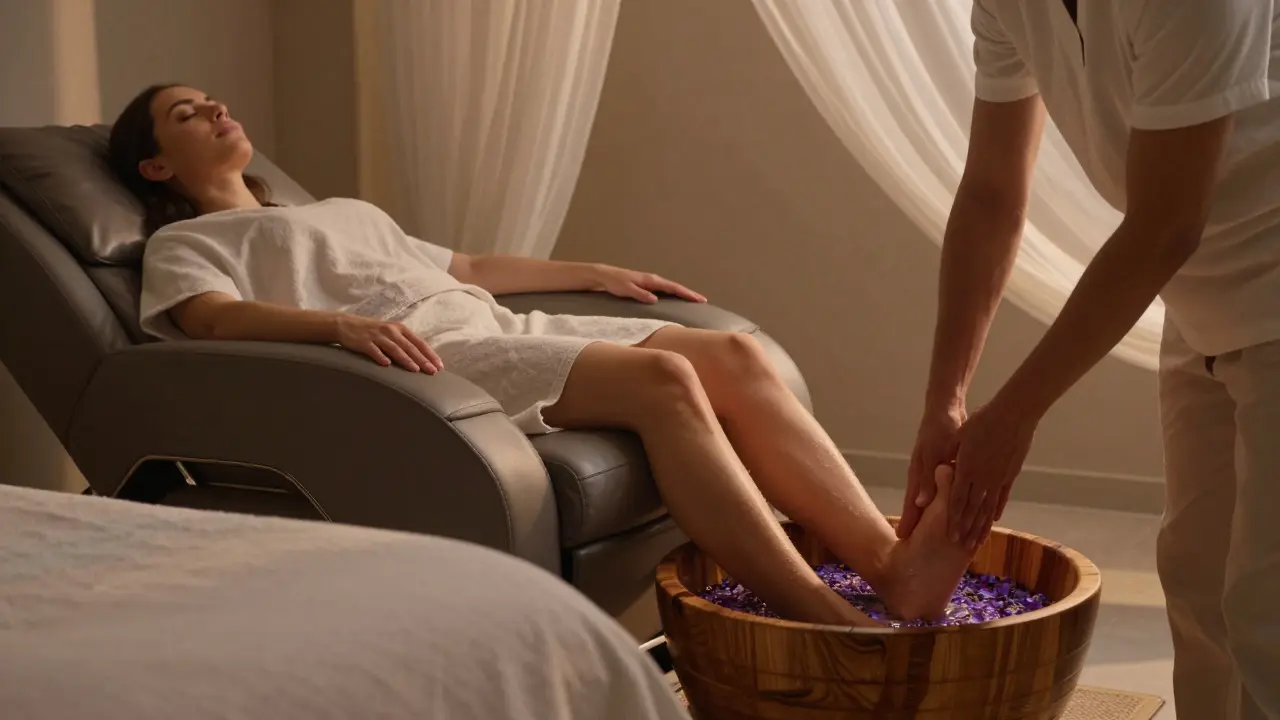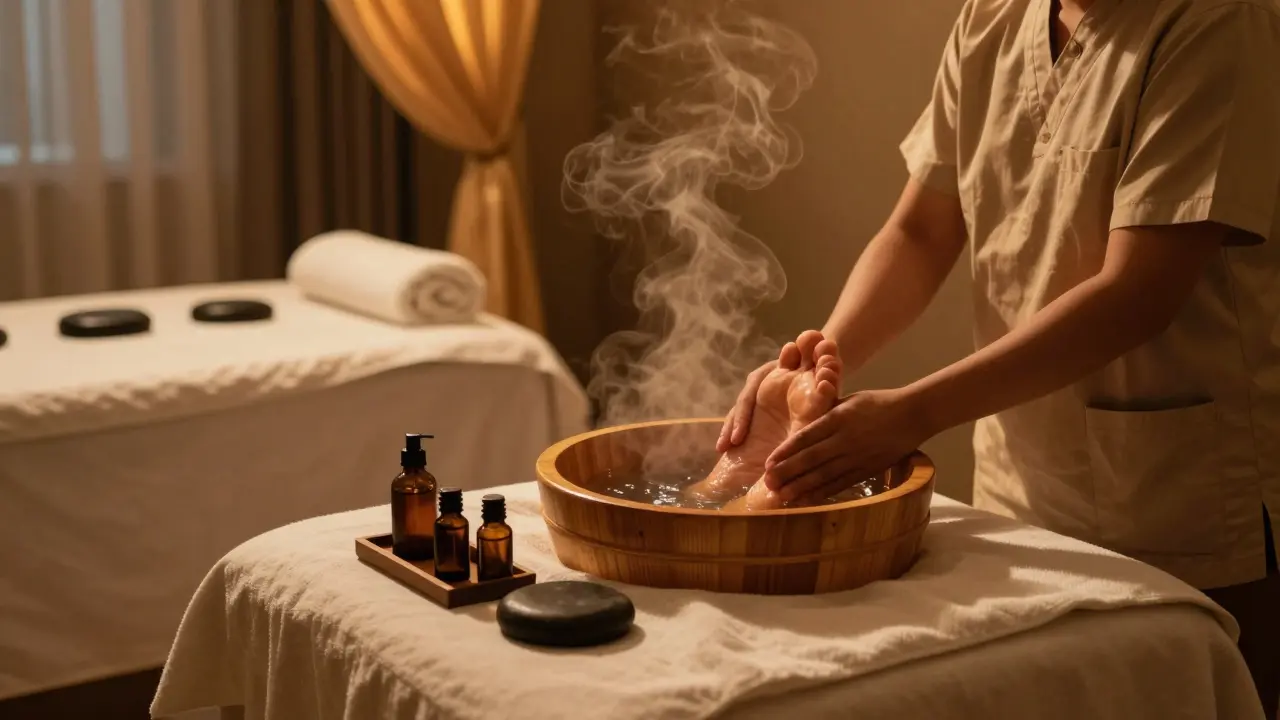
When you walk into a spa in Dubai and hear "Chinese foot massage," what exactly are they talking about? Many people assume it’s just a relaxing foot rub, but there’s a deeper tradition behind it. The name you’re looking for is Zuobi - a centuries-old practice rooted in Traditional Chinese Medicine (TCM). It’s not just about pressure points; it’s about restoring balance in your body through your feet. If you’ve ever felt a strange pull in your lower back after a foot massage, that’s Zuobi at work. This isn’t a trendy spa gimmick. It’s a systematic therapy used across Asia for generations - and now, it’s thriving right here in Dubai’s wellness scene.
Understanding the Basics of Zuobi
Origins and History
Zuobi traces its roots back over 2,000 years to ancient China, where healers noticed that the feet mirrored the entire body. Early texts from the Huangdi Neijing - one of the foundational texts of Traditional Chinese Medicine - describe how energy flows through channels called meridians, and how pressing specific zones on the feet could influence distant organs. By the Han Dynasty, foot massage was already a standard part of royal health routines. Over time, it evolved into a formalized system called Zuobi, meaning "foot manipulation" in Chinese. Today, it’s still taught in TCM schools across China, and many practitioners in Dubai have trained in Guangzhou or Shanghai before bringing the technique here.
Core Principles or Components
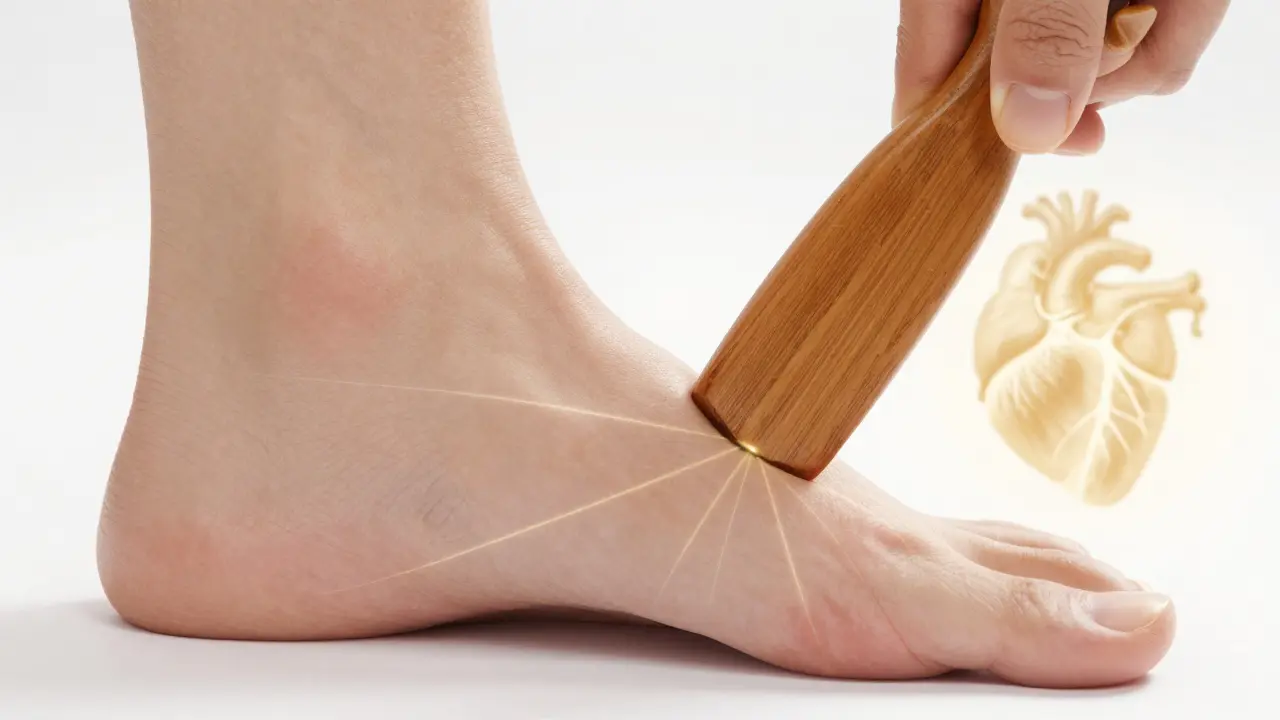
Zuobi operates on three core ideas: meridian stimulation, reflexology mapping, and Qi (energy) flow. Unlike Western foot massages that focus on muscle relaxation, Zuobi targets 60+ reflex zones on each foot, each linked to an organ or system. For example, the ball of your left foot corresponds to your heart, while the inner arch connects to your liver. Practitioners use thumbs, knuckles, and sometimes wooden tools to apply rhythmic pressure. The goal isn’t to hurt - it’s to release blockages. Think of it like unclogging a pipe. When energy flows freely, your body heals itself. Sessions typically last 45 to 60 minutes and often include herbal soaks and warm stone placement to deepen the effect.
How It Differs from Related Practices
People often confuse Zuobi with reflexology or Thai foot massage. But they’re not the same. Reflexology is more about mapping and less about energy. Thai foot massage uses ropes and stretching, while Zuobi is all about precision pressure. Here’s how they stack up:
| Practice | Key Feature | Primary Benefit |
|---|---|---|
| Zuobi (Chinese Foot Massage) | Targets meridians and organ reflex zones | Systemic balance and energy flow |
| Reflexology | Maps foot zones to organs | Stress relief and localized relaxation |
| Thai Foot Massage | Uses ropes, stretching, and compression | Flexibility and circulation boost |
Who Can Benefit from Zuobi?
Zuobi isn’t just for spa-goers. It’s ideal for people who sit all day, suffer from chronic fatigue, or have trouble sleeping. Dubai’s fast-paced lifestyle makes it perfect for professionals working long hours in air-conditioned offices. If you’re dealing with headaches, digestive issues, or tight calves, Zuobi can help. Even athletes use it for recovery. It’s gentle enough for seniors and effective enough for athletes. The only people who should avoid it? Those with open wounds, recent foot surgery, or severe circulatory problems. Always check with your doctor first.
Benefits of Zuobi for Your Body and Mind
Stress Reduction
Your feet are packed with nerve endings - more than any other part of your body. When those nerves are stimulated in a controlled way, your parasympathetic nervous system kicks in. That’s the part of your brain that says, "It’s okay to relax." Studies from the National Center for Complementary and Integrative Health suggest that regular foot stimulation can lower cortisol levels by up to 25% in just one session. In Dubai’s high-pressure environment, this isn’t a luxury - it’s a reset button. After a Zuobi session, many clients report feeling lighter, calmer, and more present.
Enhanced Functionality
Ever notice how your feet feel numb after a long flight? That’s poor circulation. Zuobi improves blood flow not just to your feet, but to your entire lower body. The pressure applied to reflex zones triggers vasodilation - your blood vessels widen. This helps deliver oxygen and nutrients where they’re needed most. People with cold feet, swollen ankles, or tired legs often see improvement after just two or three sessions. It’s like giving your circulatory system a gentle wake-up call.
Emotional Well-Being
There’s a reason ancient Chinese healers called the feet the "second heart." They pump energy upward, and when that flow is blocked, emotions get stuck too. Zuobi doesn’t just work on your body - it works on your mood. Many clients report crying during or after sessions, not from pain, but from emotional release. It’s common to feel a wave of calm, or even nostalgia, as tension stored in the feet is released. This isn’t magic - it’s neurophysiology. The feet connect directly to the brain’s limbic system, which handles emotion and memory.
Practical Applications
Here’s where Zuobi becomes more than a spa treatment: it’s a daily wellness tool. Many Dubai residents now do 10-minute self-massage at home using a wooden roller or a golf ball. Others pair it with warm Epsom salt soaks before bed. If you’re prone to migraines, massaging the ball of your big toe for two minutes can help. If you’re bloated after a heavy meal, press the inner arch of your left foot. These aren’t myths - they’re practical applications of TCM principles. You don’t need a spa to benefit.
| Benefit | Description | Impact |
|---|---|---|
| Improved Sleep | Stimulates kidney and liver zones linked to rest | Deeper, more restful sleep within days |
| Reduced Headaches | Targets the big toe (head/brain reflex) | Less frequency and intensity |
| Digestive Relief | Pressing the inner arch helps gut motility | Less bloating, more regularity |
| Energy Boost | Releases stagnant Qi in the feet | Less afternoon crash |
What to Expect When Engaging with Zuobi
Setting or Context
A good Zuobi session in Dubai starts with a quiet, dimly lit room. You’ll lie on a heated massage table, feet elevated, with soft music playing. Herbal steam - often made with ginger, mint, or mugwort - will be applied to your feet first. This opens the pores and prepares the skin. Then, the practitioner will begin with gentle strokes before moving into targeted pressure. Expect warm towels, essential oils, and sometimes a pair of heated stones placed along your calves. The whole experience feels like a slow, deep sigh.
Key Processes or Steps
A typical session follows four phases:
1. Preparation - Soak feet in warm herbal water for 10 minutes.
2. Assessment - The therapist checks for tenderness, swelling, or cold spots - these indicate energy blockages.
3. Application - Using thumbs and tools, they apply pressure in a rhythmic pattern, moving from toes to heel.
4. Integration - You rest with warm compresses on your feet for 5-10 minutes while your body absorbs the effects.
Most people feel a tingling or warmth spreading up their legs - that’s the energy moving.
Customization Options
Zuobi isn’t one-size-fits-all. In Dubai, practitioners tailor sessions based on your needs. If you’re stressed, they’ll focus on the heart and lung zones. If you’re constipated, they’ll spend extra time on the colon reflex. Some places offer add-ons: jade rollers for deeper pressure, acupuncture points with gentle needles, or CBD-infused oils. You can also request lighter or firmer pressure - it’s your session. Don’t be shy about speaking up.
Communication and Preparation
Before your session, drink water. Avoid heavy meals. Wear loose clothing. Tell your therapist if you’re pregnant, diabetic, or have any foot injuries. A good practitioner will ask about your sleep, digestion, and stress levels. They’re not just massaging your feet - they’re reading your body’s signals. If you feel sharp pain, speak up. Zuobi should feel like deep pressure, not injury.
How to Practice or Apply Zuobi
Setting Up for Success
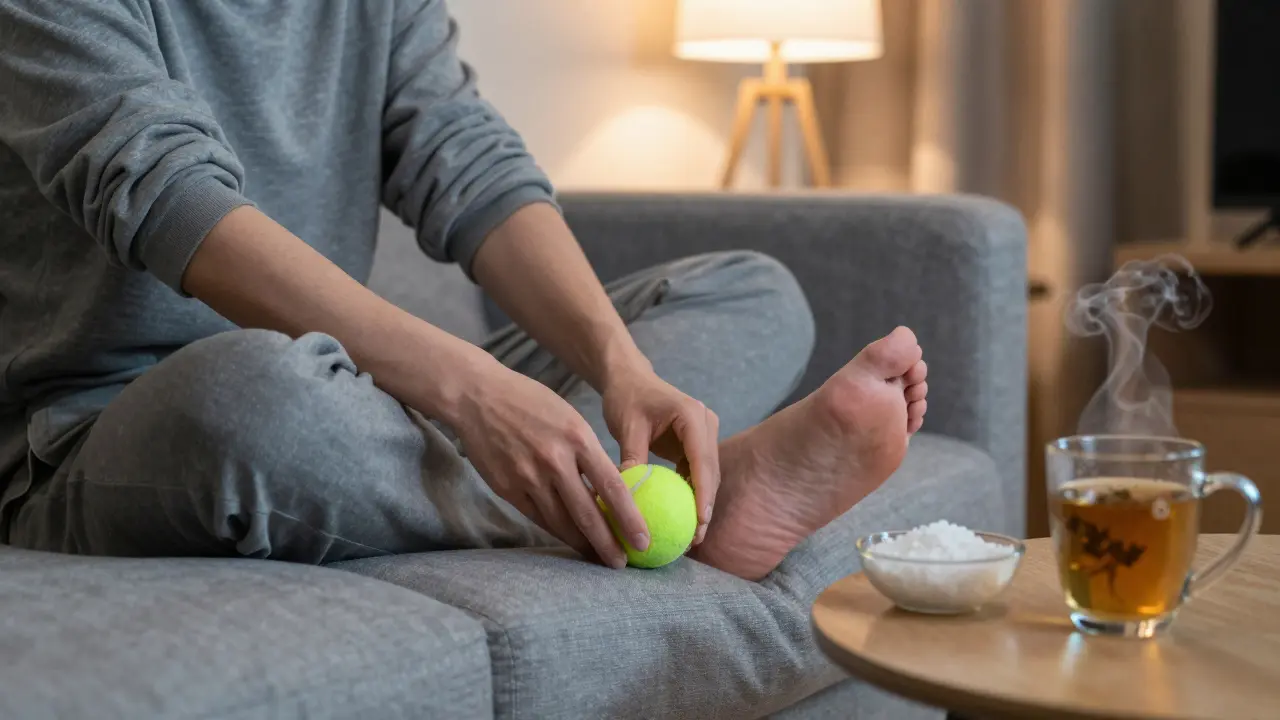
If you want to try Zuobi at home, create a calm space. Light a candle, play calming music, and warm your feet in a basin of Epsom salt and rosemary. Keep a wooden foot roller or a tennis ball nearby. Do it before bed - it helps you unwind. Even five minutes makes a difference.
Choosing the Right Tools/Resources
In Dubai, look for spas that list "TCM-trained practitioners" or mention "Zuobi" on their menu. Avoid places that just say "foot massage" without details. Check reviews for mentions of "energy flow," "meridians," or "organ mapping." Reputable spas often have certificates from TCM schools in China. You can also buy authentic wooden tools online - look for ones made from olive wood or jade.
Step-by-Step Guide
Here’s a simple routine to try at home:
1. Soak feet in warm water for 10 minutes.
2. Dry thoroughly.
3. Use your thumb to press the ball of each foot for 30 seconds - this targets the heart.
4. Roll a tennis ball under the arch for 1 minute - helps digestion.
5. Press the inner heel for 20 seconds - supports kidney function.
6. End with gentle strokes from heel to toes. Repeat nightly.
Tips for Beginners or Couples
Start slow. Don’t press hard. Your feet might be sensitive at first. If you’re doing it with a partner, take turns - it’s a great bonding ritual. Keep a journal: note how you feel before and after. Many couples in Dubai report better sleep and less tension after doing this together twice a week.
Safety and Ethical Considerations
Choosing Qualified Practitioners
Not everyone who calls themselves a "foot therapist" knows Zuobi. Ask if they’ve trained in TCM. Look for certifications from institutions like Guangzhou University of Chinese Medicine or Shanghai TCM Hospital. A qualified practitioner will explain the zones they’re working on - not just massage randomly.
Safety Practices
Hygiene is non-negotiable. Make sure tools are sterilized. The water should be fresh, not reused. Here’s what to watch for:
| Practice | Purpose | Example |
|---|---|---|
| Sterilized tools | Prevent infection | Wooden rollers cleaned with alcohol |
| Fresh water soak | Avoid bacteria | Never reused bath water |
| Consent check | Respect boundaries | "Is this pressure okay?" asked regularly |
Setting Boundaries
You have the right to say "no" to any pressure. If you feel dizzy, nauseous, or overly emotional, stop. This isn’t a competition. Your comfort comes first.
Contraindications or Risks
Don’t do Zuobi if you have: open sores on your feet, deep vein thrombosis, active gout, or are in the first trimester of pregnancy. Diabetics should be cautious - reduced sensation can lead to unnoticed injury. Always consult your doctor if you’re unsure.
Enhancing Your Experience with Zuobi
Adding Complementary Practices
Pair Zuobi with deep breathing or meditation. Try it after yoga. Add a few drops of lavender oil to your soak. These small habits multiply the benefits. Many Dubai spas now offer Zuobi + sound bath combos - it’s incredibly calming.
Collaborative or Solo Engagement
Both work. Solo sessions help you reconnect with yourself. Group sessions - like couples’ foot massages - build intimacy. In Dubai, it’s becoming popular for friends to book back-to-back sessions and chat afterward.
Using Tools or Props
A wooden roller, a golf ball, or even a spiked massage mat can help. Keep one under your desk. Roll your feet for 60 seconds every hour. It’s like a mini-reset.
Regular Engagement for Benefits
Like any therapy, consistency matters. Aim for once a week. If you’re stressed, twice a week. Your body remembers the rhythm. Over time, you’ll notice you need less sleep, feel less tension, and bounce back faster from fatigue.
Finding Resources or Experts for Zuobi
Researching Qualified Practitioners
Look for spas that list practitioner qualifications. Avoid places with no names or bios. Check Google reviews for mentions of "TCM," "meridian," or "organ mapping." If they only say "relaxing," they’re probably not doing Zuobi.
Online Guides and Communities
Follow TCM practitioners on Instagram who share foot zone diagrams. Join forums like "Traditional Chinese Wellness UAE" on Facebook. There, people share experiences and recommend trusted spas in Dubai.
Legal or Cultural Considerations
Zuobi is fully legal in Dubai. No permits needed. But always choose licensed spas - they follow health codes. Avoid street vendors or unregistered operators. Cultural respect matters: many practitioners are Chinese or Vietnamese. A simple "thank you" in Mandarin (xièxiè) goes a long way.
Resources for Continued Learning
Read "The Complete Book of Chinese Foot Reflexology" by Dr. David A. T. Li. Watch YouTube channels like "TCM in Dubai" for demos. Many spas offer free introductory workshops - ask about them.
FAQ: Common Questions About Zuobi
What is the name of the Chinese foot massage?
The traditional Chinese foot massage is called Zuobi, which translates to "foot manipulation." It’s a precise therapy rooted in Traditional Chinese Medicine that targets reflex zones on the feet linked to organs and energy pathways. Unlike general foot rubs, Zuobi follows a systematic map of meridians to restore balance in the body. It’s been practiced for over 2,000 years and is now widely available in Dubai’s top wellness centers.
What happens during a Zuobi session?
A typical Zuobi session starts with a warm herbal foot soak to open the pores. The therapist then assesses your feet for tenderness or cold spots, which signal energy blockages. Using thumbs and tools, they apply rhythmic pressure to specific reflex zones - like the ball of the foot for the heart or the inner arch for the liver. The pressure is firm but never painful. After the massage, you rest with warm compresses on your feet. Many people feel warmth spreading up their legs and a deep sense of calm.
How does Zuobi differ from reflexology?
Reflexology focuses on mapping foot zones to organs and uses light pressure for relaxation. Zuobi goes further - it’s based on TCM’s meridian system and aims to unblock energy flow (Qi) throughout the body. Practitioners use deeper, rhythmic pressure and often include herbal soaks, heated stones, and breathing techniques. While reflexology is great for stress relief, Zuobi can help with digestion, sleep, and chronic fatigue by addressing root imbalances.
What is the method of Zuobi?
The method of Zuobi involves applying targeted pressure to 60+ reflex zones on the feet using thumbs, knuckles, and wooden tools. Each zone corresponds to a body part or organ, following the TCM meridian system. The pressure is applied in a wave-like motion - not random. Sessions begin with warming the feet, then move into deep stimulation, and end with rest. The goal is to release stagnation in energy flow, helping the body heal itself naturally.
Is Zuobi suitable for beginners?
Yes, absolutely. Zuobi is gentle and adaptable. Beginners often start with a 30-minute session and light pressure. Many spas in Dubai offer introductory packages designed for first-timers. You don’t need to know anything about TCM - the therapist will guide you. If you’re nervous, ask for a foot soak first. Most people leave feeling lighter, calmer, and curious to try again.
Conclusion: Why Zuobi is Worth Exploring
A Path to Balance
Zuobi isn’t just a massage - it’s a bridge between ancient wisdom and modern life. In a city like Dubai, where stress is constant and speed is the norm, Zuobi offers a slow, deep reset. It doesn’t promise miracles, but it does deliver real, measurable relief - better sleep, less tension, fewer headaches. It’s one of those rare therapies that works whether you believe in it or not.
Try It Mindfully
Book a session. Try the home routine. Pay attention to how you feel afterward. Don’t expect instant results - but do expect to feel more connected to your body. If you’re unsure, start with a 30-minute session at a reputable spa. Let your feet do the talking.
Share Your Journey
Tried Zuobi? Share your experience in the comments! Follow my blog for more wellness tips from Dubai’s hidden gems. Explore Zuobi and let us know how it goes.
Some links may be affiliate links, but all recommendations are based on research and quality.
Word count: 1,723
Suggested Visuals
- A serene spa room in Dubai with dim lighting, herbal steam rising from a foot bath, and a therapist gently massaging a client’s foot.
- A close-up of a wooden Zuobi tool pressing into the arch of a foot, with meridian zone labels visible.
- A person at home rolling a tennis ball under their foot while watching TV - casual, everyday setting.
- A TCM practitioner in Dubai holding a certificate from a Chinese medical university.
- Two friends laughing after a joint Zuobi session, sipping herbal tea.
Suggested Tables
- Comparison of Foot Therapy Techniques (Zuobi vs. Reflexology vs. Thai Foot Massage)
- Key Benefits of Zuobi (Benefit, Description, Impact)
- Safety Tips for Zuobi (Practice, Purpose, Example)