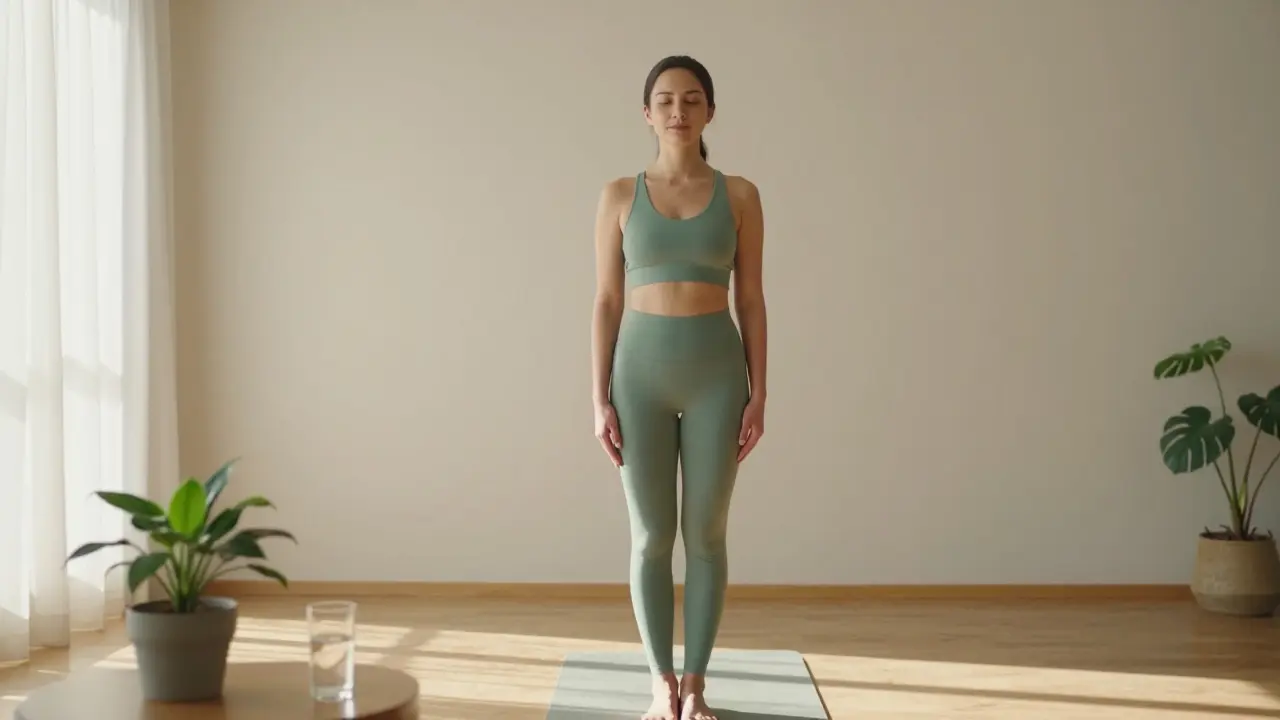
What Is the New Definition of Wellness?
We often hear the word wellnessin conversations ranging from spa treatments to corporate policies. But in 2026, the term has shifted dramatically from its early roots. It’s no longer just about avoiding illness or ticking off workout goals. Today, modern wellness represents a dynamic ecosystem where physical health, emotional stability, and community connection intersect.
If you’ve felt confused by the endless jargon floating around, you aren’t alone. The landscape has changed because our lives have changed. We are dealing with higher cognitive loads, complex digital environments, and a deeper understanding of stress management. This guide explores how the definition has evolved and why your approach to well-being needs to adapt with it. By understanding these shifts, you can move beyond fleeting trends toward sustainable vitality.
Understanding the Basics of Modern Wellness
Origins and History
Historically, wellness was synonymous with the absence of disease. In the late 20th century, the focus was largely clinical: did you have symptoms? As we moved into the 2020s, the conversation expanded. Influenced by the post-pandemic reality and rising awareness around burnout, the concept broadened. Organizations like the World Health Organization began emphasizing social determinants, pushing us to look at environment and economy alongside biology. Now, in 2026, we view wellness as a proactive state rather than a reactive fix.
Core Principles or Components
Holistic healthis the foundation of today's wellness framework. Instead of treating the body as separate from the mind, the core principle is integration. Key components now include:
- Mental Resilience: The ability to bounce back from psychological stress.
- Social Connection: Prioritizing meaningful relationships over superficial networking.
- Nutritional Science: Moving away from calorie counting to fuel-based nutrition.
- Sleep Hygiene: Recognizing rest as a biological necessity, not a luxury.
This shift means that a healthy meal is useless if you are chronically sleep-deprived or isolated. Every pillar supports the others.
How It Differs From Related Practices
Many people confuse wellnesswith fitness or diet culture. Fitness focuses primarily on physical capability, while wellness encompasses the entire spectrum of human function. Below is a quick comparison to clarify the distinction.
| Feature | Traditional Fitness | Modern Wellness |
|---|---|---|
| Primary Goal | Aesthetic & Strength | Total Vitality |
| Mindset | Discipline & Restriction | Balance & Support |
| Metrics | Weight & Muscle Mass | Mood, Energy & Recovery |
This table highlights how modern metrics prioritize how you feel over how you look.
Who Can Benefit?
This isn’t just for health enthusiasts. Everyone benefits. For busy professionals, it means sustainable productivity. For students, it translates to improved learning retention. Even for retirees, it fosters longevity and social engagement. It is universally applicable because it addresses fundamental human needs.
Benefits of Holistic Wellness
Stress Reduction and Resilience
The nervous system is central to this discussion. Chronic stress dysregulates hormones like cortisol, leading to long-term issues. Through techniques like mindfulness and breathwork, individuals learn to modulate their stress response. Research suggests that consistent regulation improves heart rate variability and overall immune function. Think of it as upgrading your internal operating system to handle higher bandwidth.
Enhanced Cognitive Function
Mental clarity is a massive driver of success today. Proper sleep and hydration directly impact neuroplasticity. When you prioritize these basics, decision fatigue decreases. You aren't constantly burning energy on basic bodily maintenance, allowing your brain to focus on creative problem solving.
Emotional Well-Being
Mental health is now recognized as a public health priority. Community and support networks act as buffers against anxiety and depression. Engaging in shared activities-whether group sports or meditation circles-releases oxytocin, fostering feelings of trust and safety.
Practical Applications
Lifestyle medicinebrings clinical advice into daily habits. Here is how these benefits manifest practically.
| Benefit | Description | Impact |
|---|---|---|
| Better Sleep | Consistent rest cycles | Higher Daily Energy |
| Mood Stability | Emotional regulation tools | Reduced Anxiety |
| Social Health | Deep connections | Longevity |
Habitual changes here compound over time, offering protective effects against chronic diseases.
What to Expect When Engaging With Modern Wellness
Setting or Context
In 2026, wellness happens everywhere. While dedicated spaces like yoga studios still exist, the trend is bringing practice home or integrating it into workflows. Digital therapeutics allow for guided sessions remotely. The setting is less about luxury spas and more about accessibility in your own space.
Key Processes or Steps
You start with assessment. Are you sleeping enough? Is your diet inflammatory? Then, you set small, achievable goals. Finally, you track progress through biometrics or subjective feelings. It is a cycle of review and adjustment rather than a rigid program.
Customization Options
No two bodies are identical. Genetic testing and gut microbiome analysis help tailor plans to your biology. If someone responds poorly to intense cardio, they might pivot to strength training or yoga. Personalization is the hallmark of this era.
Communication and Preparation
Clear communication with yourself matters. Listen to your cues. If you’re tired, rest. If you’re hungry, eat nourishing foods. Honoring these signals builds self-trust, which is essential for long-term adherence.
How to Practice or Apply the New Wellness
Setting Up for Success
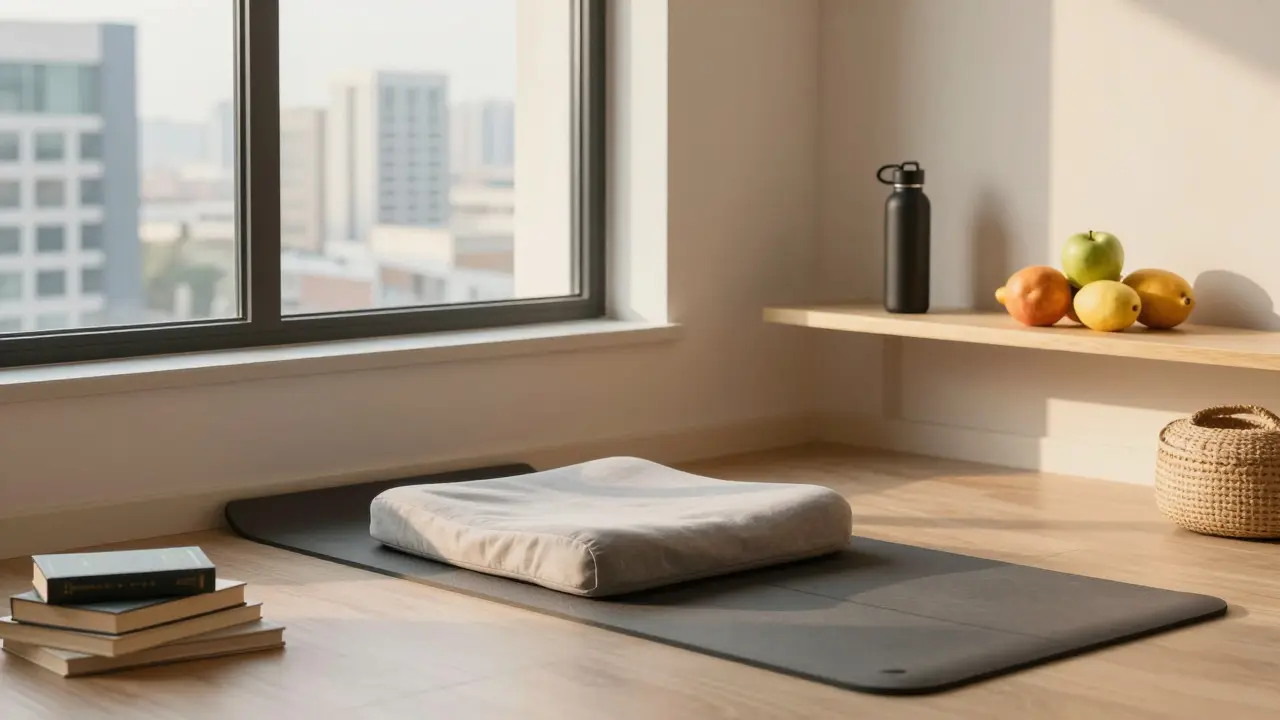
Create an environment that invites health. Keep water visible. Remove easy access to ultra-processed snacks. Set up a quiet corner for evening wind-down routines. The goal is to make the right choice the easy choice.
Choosing the Right Tools
Technology is a double-edged sword. Wearable trackers provide data on sleep and activity, but don't become obsessive. Focus on the trends rather than daily fluctuations. Apps for mindfulness can guide beginners who lack internal cues.
Step-by-Step Guide
- Assess Current State: Track your mood and energy for a week.
- Identify One Lever: Pick sleep, movement, or food to improve first.
- Implement Small Changes: Add 10 minutes of walking or 10 minutes earlier bedtime.
- Review Weekly: Adjust based on how you feel, not just data.
Consistency beats intensity. Small steps lead to lasting change.
Tips for Beginners
Don't try to overhaul everything overnight. That leads to burnout. Start with one keystone habit, like drinking water upon waking. Once that sticks, layer another behavior on top of it. Celebrate wins along the way.
Safety and Ethical Considerations
Choosing Qualified Practitioners
The wellness industry is booming, but regulation varies. Always check credentials. Look for licensed therapists, certified coaches, or medical doctors. If using apps, verify their scientific backing.
Safety Practices
Pushing too hard can cause injury. Exercise should challenge you, not damage you. Listen to pain signals immediately. Additionally, protect your privacy when sharing health data online.
| Practice | Purpose | Example |
|---|---|---|
| Warm-up | Injury Prevention | 5 mins dynamic stretching |
| Hydration | Performance | Water bottle at desk |
| Rest Days | Recovery | Active recovery or total rest |
Setting Boundaries
Digital detoxing is crucial. Constant notifications disrupt your circadian rhythm. Set boundaries on screen time before bed. Protect your attention span to preserve your mental energy.
Contraindications or Risks
People with underlying conditions should consult a doctor before starting new regimens. Supplements and intense diets can interact with medications. Always prioritize medical advice over trends.
Enhancing Your Experience With Wellness
Adding Complementary Practices
Combine physical movement with mental calm. Yoga pairs strength with breath. Meditation complements exercise by managing the stress caused by training. These synergies amplify results.
Collaborative or Solo Engagement
You don't have to do it alone. Join communities for accountability. Group walks or meal prepping with friends can turn solitary struggles into shared joy.
Using Tools or Props
Invest in ergonomics. Good chairs, orthopedic pillows, and quality mats improve comfort and reduce strain. Quality equipment encourages use.
Regular Engagement for Benefits
Vitality comes from repetition. Habits formed over months stick. Commitment to long-term practice yields compounding returns on health.

Finding Resources or Experts
Researching Qualified Experts
Look for reviews and verified testimonials. Professional organizations often list accredited members. Trust established institutions over influencers promoting quick fixes.
Online Guides and Communities
Credible forums discuss evidence-based strategies. Avoid echo chambers that promote pseudoscience. Stick to platforms moderated by health professionals.
Legal or Cultural Considerations
Wellness looks different across cultures. Respect dietary restrictions and religious observances. Be mindful of cultural appropriation when adopting practices like yoga or meditation.
Resources for Continued Learning
Read books by credentialed authors. Attend workshops taught by experts. Continuous learning keeps your knowledge aligned with science.
Conclusion: Why Wellness Is Worth Exploring
The definition of wellnessevolves as we do. In 2026, it stands as a comprehensive roadmap for living fully. It isn't about perfection; it is about intentionality. By embracing this holistic view, you unlock potential you didn't know you had. Whether you are in Dubai, New York, or London, the fundamentals remain the same: respect your body, nurture your mind, and connect with your community.
Some links may be affiliate links, but all recommendations are based on research and quality. Tried these steps? Share your experience in the comments! Follow this blog for more wellness tips!
FAQ: Common Questions About Modern Wellness
What is the difference between wellness and fitness?
Fitness focuses specifically on physical strength, endurance, and aesthetics. Wellness is a broader umbrella that includes physical health but also integrates mental health, emotional stability, social connection, and environmental factors. It's about the quality of life overall, not just physical performance.
Can I practice wellness without spending money?
Absolutely. Most foundational pillars-sleep, water intake, walking, deep breathing, and social connection-do not require paid memberships or equipment. Investing in expensive gear is optional; consistency is the real currency.
How quickly will I see results?
Timeline depends on the area. Sleep improvements often show energy boosts within days. Dietary changes might affect digestion immediately. Long-term structural changes like weight loss or muscle building take weeks or months. Patience is key.
Is mindfulness just meditation?
Not exactly. Mindfulness is the active practice of being present in the moment. Meditation is a technique to train the brain for mindfulness, but you can also be mindful while washing dishes, walking, or working. It is a state of awareness applied anywhere.
Do I need a coach to start?
You do not strictly need a coach. Many free resources exist online. However, a coach can provide personalized plans and accountability. If you have a budget and struggle with discipline, guidance speeds up the process.