When you think of Thai massage, you might picture a serene spa in Bangkok, a therapist moving like a dancer, and your body melting into the mat. But here in Dubai, this ancient practice has found a home that’s just as vibrant, professional, and deeply effective. What makes Thai massage so special isn’t just the stretching or the pressure-it’s the whole experience. It’s not just a massage. It’s a full-body reset that blends yoga, acupressure, and mindful movement into one powerful session.
Understanding the Basics of Thai Massage
Origins and History
Thai massage didn’t start in a luxury spa. It began over 2,500 years ago in what’s now Thailand, shaped by Buddhist monks who combined Indian Ayurvedic principles with traditional Chinese medicine and local healing practices. These monks, often called "Naturopaths," used massage not just for relaxation but as a form of healing and spiritual practice. They passed down techniques through generations, often teaching them in temples. Today, you’ll still find Thai massage taught in temple schools in Chiang Mai, where students train for years to master the art. In Dubai, therapists who’ve trained in Thailand bring that authenticity-no shortcuts, no diluted versions. This isn’t just a trend. It’s a tradition.
Core Principles or Components
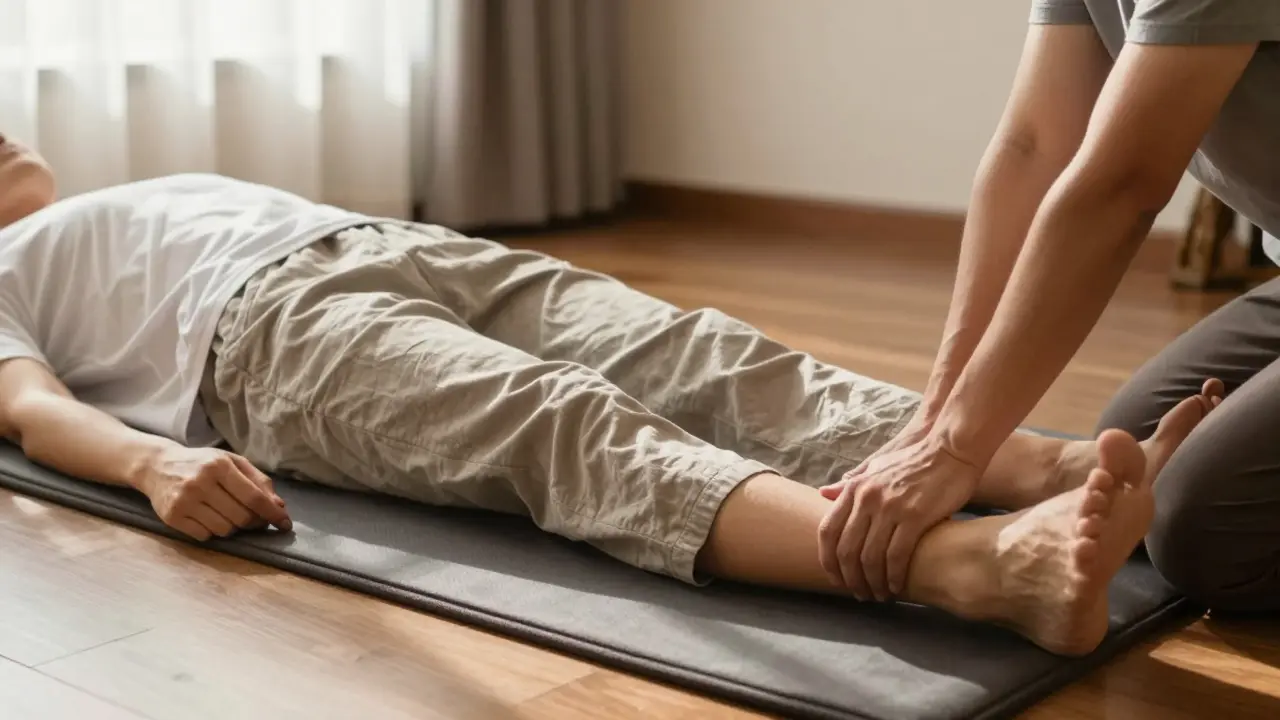
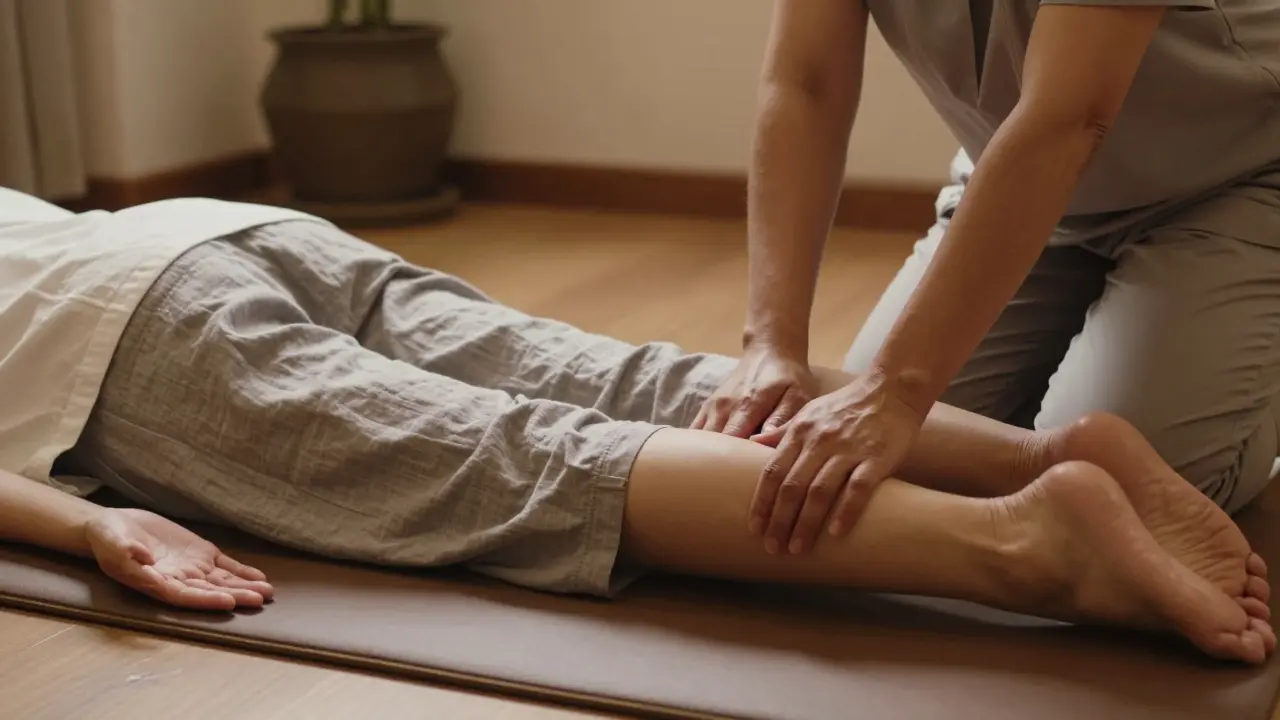
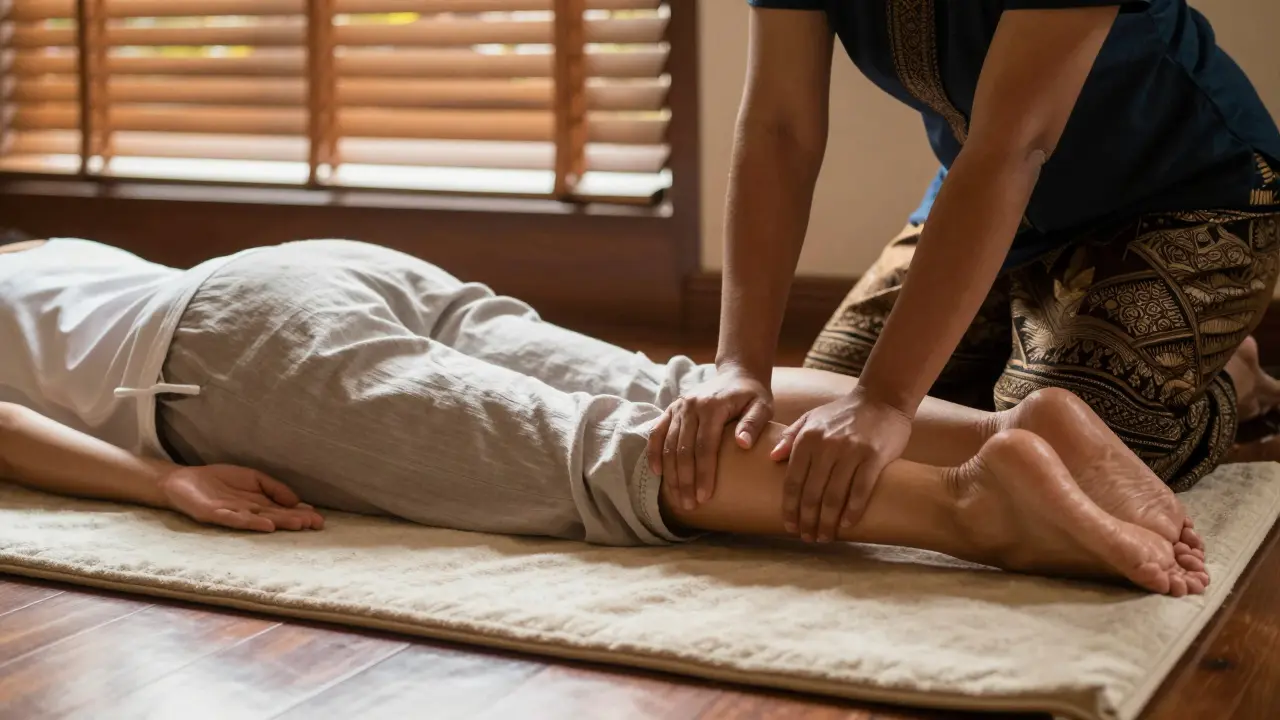
Thai massage is unlike any other massage you’ve tried. It’s performed on a mat on the floor, fully clothed. The therapist uses their hands, thumbs, elbows, knees, and even feet to apply pressure along energy lines called "sen lines." These are similar to acupuncture meridians but are unique to Thai tradition. The session also includes passive yoga-like stretches-your body is gently moved into positions you couldn’t reach on your own. There’s no oil. No loud music. Just rhythmic pressure, deep stretches, and quiet focus. The goal? To release blockages, improve circulation, and restore balance. Think of it as a full-body tune-up, not a quick fix.
How It Differs from Related Practices
Many people confuse Thai massage with Swedish or deep tissue. Here’s how it stands apart:
| Practice | Key Feature | Primary Benefit |
|---|---|---|
| Thai Massage | Full-body stretching + acupressure on energy lines | Improves flexibility and energy flow |
| Swedish Massage | Oil-based, gentle strokes | Relaxes surface muscles |
| Deep Tissue | Intense pressure on muscle knots | Targets chronic tension |
| Shiatsu | Finger pressure on acupuncture points | Stimulates internal organs |
Thai massage doesn’t just relax muscles-it repositions your whole system. It’s dynamic. You’re not passive. You’re part of the process.
Who Can Benefit from Thai Massage?
Almost everyone. Athletes use it to recover from tight hamstrings and stiff shoulders. Office workers find relief from hunched posture and headaches. New parents often say it helps them sleep again. Even people with chronic pain-like lower back issues or sciatica-report noticeable improvement after a few sessions. It’s especially helpful if you’re stiff from sitting all day, stressed from travel, or just feel "out of sync." The beauty? It doesn’t require you to be flexible. The therapist adapts to you. If you’re 70 or 25, if you’ve never stretched before or if you do yoga daily, Thai massage meets you where you are.
Benefits of Thai Massage for Body and Mind
Stress Reduction
When pressure is applied along the sen lines, your nervous system shifts from "fight-or-flight" to "rest-and-digest." Research suggests this kind of rhythmic, deep-touch therapy lowers cortisol levels-the body’s main stress hormone. In Dubai, where life moves fast and schedules are packed, Thai massage offers a rare pause. One client, a project manager from London, told me she came in after a 16-hour workday. By the end of the session, she was crying softly-not from pain, but from relief. "I hadn’t realized how tense I was," she said. That’s the power of Thai massage: it doesn’t just soothe. It reveals.
Enhanced Functionality
Unlike massages that only target pain, Thai massage improves how your body moves. The stretches open up joints, release fascia, and increase range of motion. Many people notice they can turn their head more easily, bend over without discomfort, or stand taller after just one session. For Dubai residents who spend hours in cars or at desks, this isn’t luxury-it’s function. Improved mobility means less pain, fewer injuries, and more freedom in daily life. It’s like resetting your body’s software.
Emotional Well-Being
There’s something deeply grounding about being held and guided through stretches without judgment. Thai massage creates a space where you’re not expected to perform, fix, or respond. You just breathe. This quiet presence can release buried emotions. Many clients report feeling lighter, calmer, or even more connected to themselves afterward. It’s not magic. It’s the result of physical release triggering emotional release. Your body remembers stress. Thai massage helps it let go.
Practical Applications
Think of Thai massage as preventative care. Regular sessions-once every two to four weeks-can reduce the need for physiotherapy, chiropractic visits, or painkillers. It helps with posture, sleep quality, and even digestion. One therapist I spoke to in Jumeirah said she sees clients who used to take ibuprofen weekly. After six Thai massage sessions, they stopped. Not because it "cured" anything, but because their body started working better on its own.
| Benefit | Description | Impact |
|---|---|---|
| Improved Flexibility | Passive stretching increases joint mobility | Reduces risk of injury |
| Reduced Muscle Tension | Pressure on sen lines releases chronic tightness | Less pain, better posture |
| Stress Relief | Activates parasympathetic nervous system | Lower cortisol, better sleep |
| Energy Boost | Clears blockages in energy pathways | Feeling refreshed, not just relaxed |
| Emotional Release | Physical release triggers emotional calm | Greater mental clarity |
What to Expect When Engaging with Thai Massage
Setting or Context
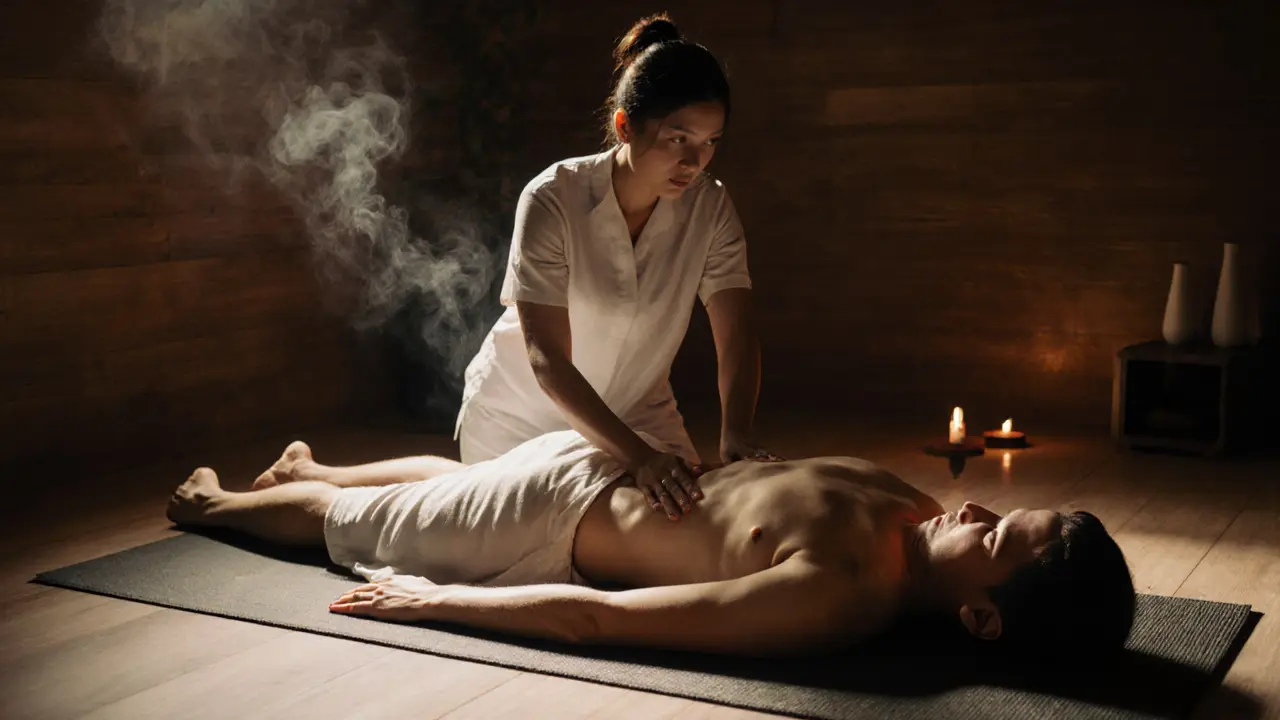
In Dubai, most authentic Thai massage studios feel like quiet sanctuaries. Think wooden floors, soft lighting, and the scent of lemongrass or sandalwood. No loud music. No flashing lights. The room is warm, not hot. You’ll lie on a thick mat on the floor-no table, no sheets, just comfortable cotton pants and a loose top. You’re fully clothed, so no awkwardness. The therapist will greet you calmly, ask about any injuries or discomfort, and leave you alone for a moment to breathe. This isn’t a quick 30-minute add-on. It’s a 90-minute experience meant to slow you down.
Key Processes or Steps
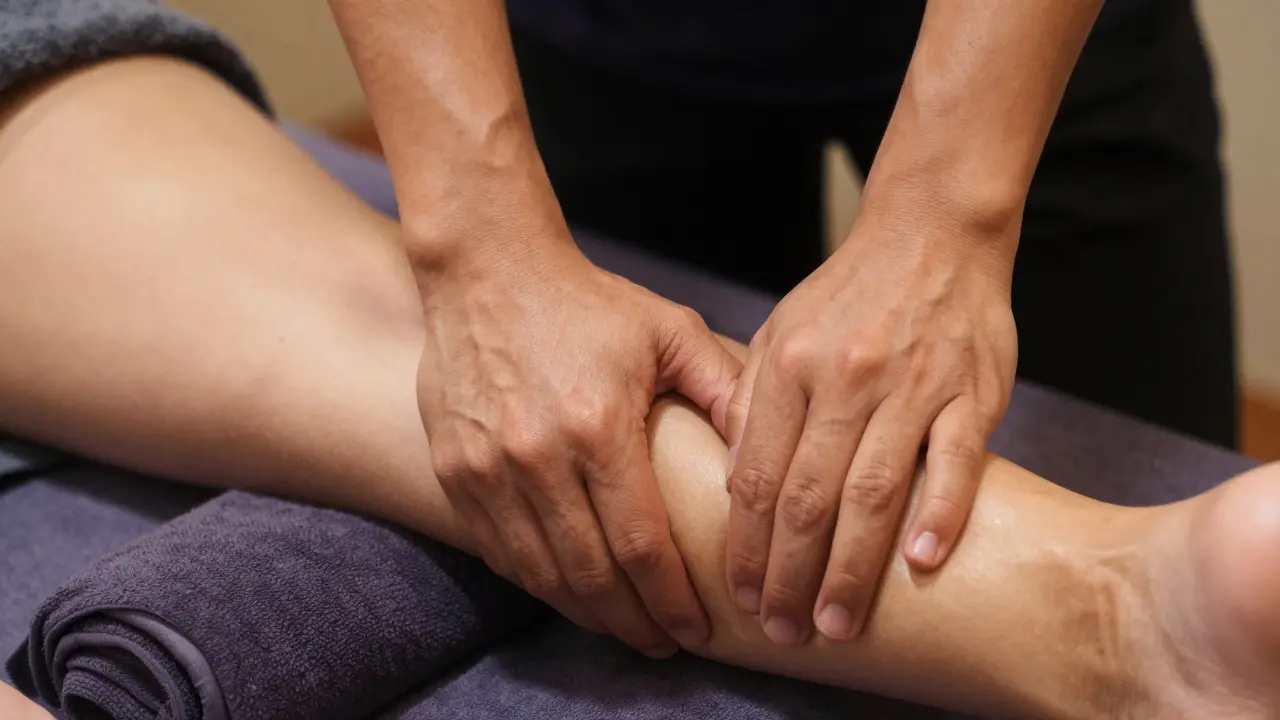
A typical session follows a flow: starting at the feet, moving up the legs, then to the back, arms, shoulders, neck, and head. The therapist uses their body weight-not just hands-to apply pressure. You’ll feel deep, rhythmic pushes, then gentle stretches: legs pulled into a butterfly position, spine gently twisted, arms lifted overhead. There’s no popping or cracking. No sudden moves. It’s controlled, intentional, and surprisingly deep. You might feel mild discomfort in tight areas, but never sharp pain. If something hurts, say so. A good therapist will adjust instantly.
Customization Options
Thai massage isn’t one-size-fits-all. If you have a knee injury, the therapist will avoid deep pressure there. If you’re pregnant, they’ll use modified positions. If you’re an athlete, they’ll focus on hips and hamstrings. If you’re stressed, they’ll spend extra time on the neck and shoulders. Most studios in Dubai offer 60, 90, or 120-minute sessions. Longer sessions allow deeper work and more stretching. Don’t be afraid to ask for a custom focus-it’s expected.
Communication and Preparation
Before your session, avoid heavy meals. Drink water. Wear loose, stretchy clothes-you’ll be moving in them. Tell your therapist about any recent injuries, surgeries, or conditions like high blood pressure. During the session, breathe. Don’t hold your breath. If you feel too much pressure, say "softer." If you feel a stretch is too deep, say "ease up." This isn’t a silent ritual. Communication is part of the healing.
How to Practice or Apply Thai Massage
Setting Up for Success
If you’re considering trying Thai massage, start by choosing a reputable studio. Look for therapists who trained in Thailand, not just those who took a weekend course. Check reviews for mentions of "authentic," "traditional," or "experienced." Avoid places that use "Thai massage" as a marketing buzzword but offer oil massages with stretching. Authentic Thai massage doesn’t use oil. If they do, it’s not the real thing.
Choosing the Right Tools/Resources
In Dubai, top studios like Thai House Spa a well-established studio in Jumeirah offering traditional Thai massage with therapists trained in Chiang Mai and Chiang Mai Wellness a boutique center in Downtown Dubai specializing in full-body Thai sessions are trusted by locals. Ask about the therapist’s training. A good one will have studied for at least 500 hours in Thailand. Don’t hesitate to ask for their credentials. It’s your right.
Step-by-Step Guide
- Book a 90-minute session (best for first-timers).
- Arrive 10 minutes early to fill out a brief health form.
- Wear loose, comfortable clothing (cotton shorts and a tank top work well).
- Hydrate before and after.
- During the session, breathe deeply and relax into the stretches.
- Afterward, rest for 15 minutes-don’t jump into your next meeting.
- Drink water and avoid alcohol or heavy food for the next few hours.
Tips for Beginners or Couples
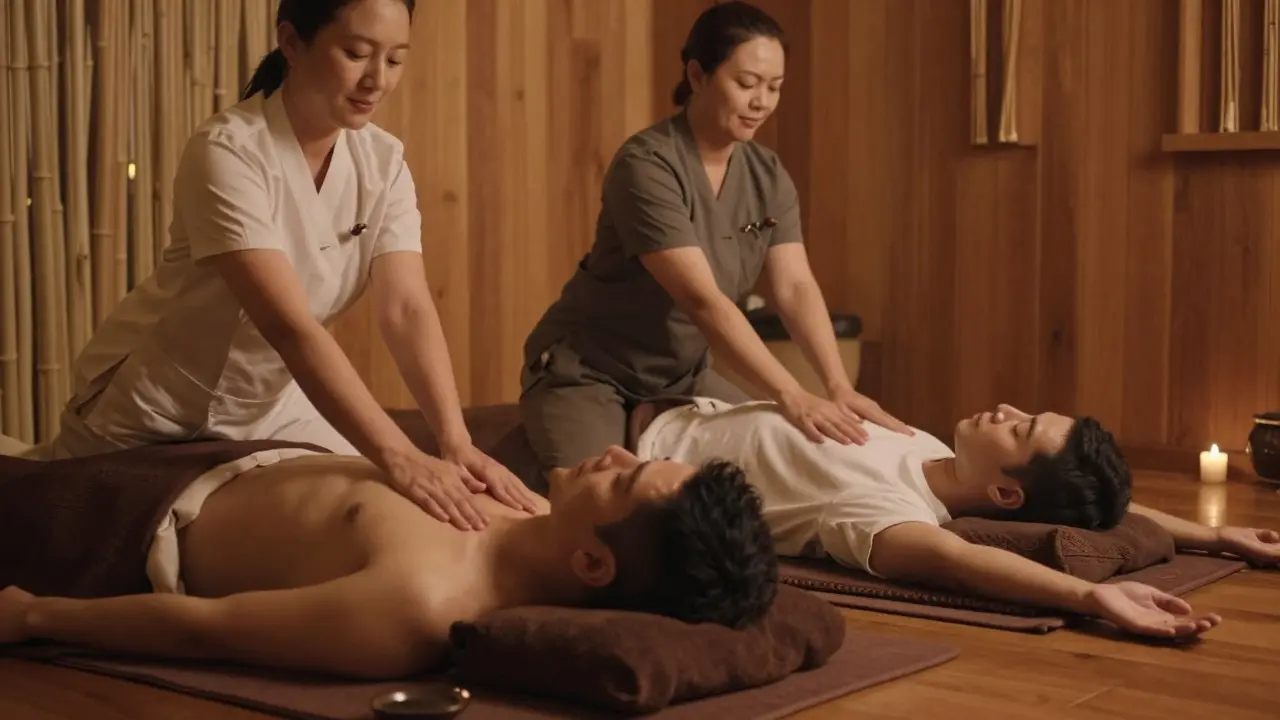
First-timers often feel nervous about being stretched. Remember: you’re in control. If something feels off, speak up. Many studios now offer couple’s Thai massage-same room, same therapist, side-by-side mats. It’s a unique bonding experience. Couples say it helps them reconnect after busy weeks. But don’t rush it. One session is enough to feel the difference. Two or three, and you’ll start noticing changes in your posture and energy.
Safety and Ethical Considerations
Choosing Qualified Practitioners/Resources
Not all "Thai massage" is created equal. Some spas in Dubai use untrained staff. Look for therapists who mention their training in Thailand-especially Chiang Mai or Bangkok. Ask if they’ve completed a 100-hour or 500-hour certification. Reputable centers display this on their website or at the front desk. If they hesitate, walk away. This isn’t just about quality. It’s about safety.
Safety Practices
Thai massage is generally safe, but hygiene matters. The mat should be cleaned between clients. Therapists should wash their hands and use clean, fresh linens. Here’s what to look for:
| Practice | Purpose | Example |
|---|---|---|
| Full clothing | Respects cultural norms and personal boundaries | Wear cotton pants and a loose top |
| Clear communication | Prevents injury | Say "softer" or "ease up" if uncomfortable |
| Hygiene | Prevents infection | Mat cleaned with disinfectant between sessions |
| No pressure on injuries | Protects healing tissue | Therapist avoids recent surgery sites |
Setting Boundaries
You own your body. Always. If a therapist pushes too hard, moves too fast, or makes you feel uncomfortable, you have every right to stop. A professional will respect your limits. In Dubai, cultural sensitivity is high. Most therapists understand you may come from a different background. Don’t feel pressured to endure pain "for the benefit." Your comfort is the priority.
Contraindications or Risks
Thai massage isn’t for everyone. Avoid it if you have: recent fractures, open wounds, severe osteoporosis, or are in the first trimester of pregnancy (unless cleared by a doctor). If you have heart conditions or high blood pressure, inform your therapist-they’ll adjust pressure accordingly. Always consult your doctor if you’re unsure.
Enhancing Your Experience with Thai Massage
Adding Complementary Practices
Pair Thai massage with mindfulness. Try 5 minutes of deep breathing before your session. Afterward, journal how you feel. Some clients combine it with yoga or meditation. Others drink herbal teas like ginger or turmeric to support recovery. These aren’t required-but they deepen the effect.
Collaborative or Solo Engagement
Thai massage is deeply personal. You can do it alone-or with a partner. Couples sessions are growing in popularity. It’s not romantic. It’s restorative. Two people, side by side, breathing, stretching, healing. Many say it’s the most connected they’ve felt in months.
Using Tools or Props
At home, try simple stretches inspired by Thai massage: seated forward folds, gentle spinal twists, or leg stretches against a wall. You don’t need a therapist to start. But for deep release, nothing beats a trained hand.
Regular Engagement for Benefits
One session feels great. Four sessions a month? That’s transformative. Most regular clients in Dubai book every 3-4 weeks. It becomes part of their routine-like brushing teeth or drinking water. Consistency is what turns relief into real change.
Finding Resources or Experts for Thai Massage
Researching Qualified Experts
Look for studios with certified Thai therapists. Check Google reviews for phrases like "authentic," "traditional," or "experienced." Ask if the therapist trained in Thailand. A good one will be happy to share their background. Avoid places that use "Thai" as a buzzword but offer oil massages with light stretching.
Online Guides and Communities
YouTube channels like "Thai Massage Academy" and blogs like "The Thai Way" offer free tutorials. Join Facebook groups like "Thai Massage Enthusiasts Dubai" to connect with others. These aren’t replacements for professional sessions-but they help you understand your body better.
Legal or Cultural Considerations
Thai massage is legal and widely accepted in Dubai. But remember: it’s a sacred tradition, not a spa gimmick. Treat it with respect. Don’t joke about it. Don’t treat it like a quick fix. It’s a practice, not a product.
Resources for Continued Learning
Books like "The Art of Thai Massage" by K. K. K. (a Thai practitioner) and online courses from the Traditional Thai Massage Association offer deeper insight. You don’t need to become a therapist to appreciate the art.
FAQ: Common Questions About Thai Massage
What to expect from Thai massage?
You’ll lie on a mat, fully clothed, while a therapist uses hands, elbows, knees, and feet to apply pressure and stretch your body. There’s no oil, no loud music, and no need to undress. It feels like a mix of deep tissue massage and yoga. You might feel mild discomfort in tight areas, but never sharp pain. The session lasts 60-120 minutes, and afterward, you’ll feel deeply relaxed, yet energized. Many say it’s unlike any other massage they’ve tried.
What happens during Thai massage?
The session begins at your feet and moves upward. The therapist uses rhythmic pressure along energy lines, then guides your body into yoga-like stretches. You’ll be gently pulled, twisted, and extended-never forced. You’re not passive; you’re part of the process. Breathing is encouraged. The therapist checks in quietly, adjusting pressure based on your feedback. It’s slow, intentional, and deeply personal.
How does Thai massage differ from Swedish massage?
Swedish massage uses oil, light to medium pressure, and long strokes to relax surface muscles. Thai massage is done fully clothed, on a mat, with no oil. It combines deep pressure on energy lines with active stretching. It’s not just relaxing-it’s transformative. While Swedish helps you unwind, Thai massage helps you realign. One is soothing. The other is structural.
What is the method of Thai massage?
The method is based on stimulating 10 key energy lines (sen lines) in the body using pressure and passive stretching. The therapist uses their whole body-not just hands-to apply force. Movements are slow, rhythmic, and flowing. The goal is to release blockages, improve circulation, and restore balance. It’s not random. Every stretch and pressure point follows a traditional sequence passed down for centuries.
Is Thai massage suitable for beginners?
Absolutely. Thai massage is designed to meet you where you are. If you’re stiff, the therapist will work gently. If you’re flexible, they’ll deepen the stretches. No prior experience is needed. First-timers often feel nervous, but most leave amazed. Start with a 60-minute session to test the waters. Listen to your body. Speak up. You’re in control.
Conclusion: Why Thai Massage is Worth Exploring
A Path to Better Movement and Calm
Thai massage isn’t just about feeling good for a day. It’s about regaining control of your body. In a city like Dubai, where life moves fast and stress is constant, it offers something rare: real, lasting relief. It doesn’t promise miracles. But if you show up, breathe, and let go-it delivers.
Try It Mindfully
Don’t treat it like a one-time treat. Try it once. Then again. Let it become part of your rhythm. Find a therapist you trust. Communicate openly. Honor your limits. That’s how real change happens.
Share Your Journey
Tried Thai massage in Dubai? Share your experience in the comments. Follow this blog for more wellness tips tailored to life here. And if you’ve been holding onto tension for years-you’re not alone. There’s a way out. And it starts on a mat.
Some links may be affiliate links, but all recommendations are based on research and quality.
Word count: 1,742
Suggested Visuals
- A serene Thai massage session in a Dubai spa, with natural lighting and wooden flooring
- Close-up of a therapist’s hands applying pressure on a client’s leg during a session
- A couple receiving Thai massage side by side on mats, both relaxed and smiling
- Therapist using their knee to gently stretch a client’s back
- Traditional Thai massage tools: cotton clothing, mat, and essential oils on a side table
Suggested Tables
- Comparison of Thai Massage vs. Other Massage Types
- Key Benefits of Thai Massage
- Safety Tips for Thai Massage