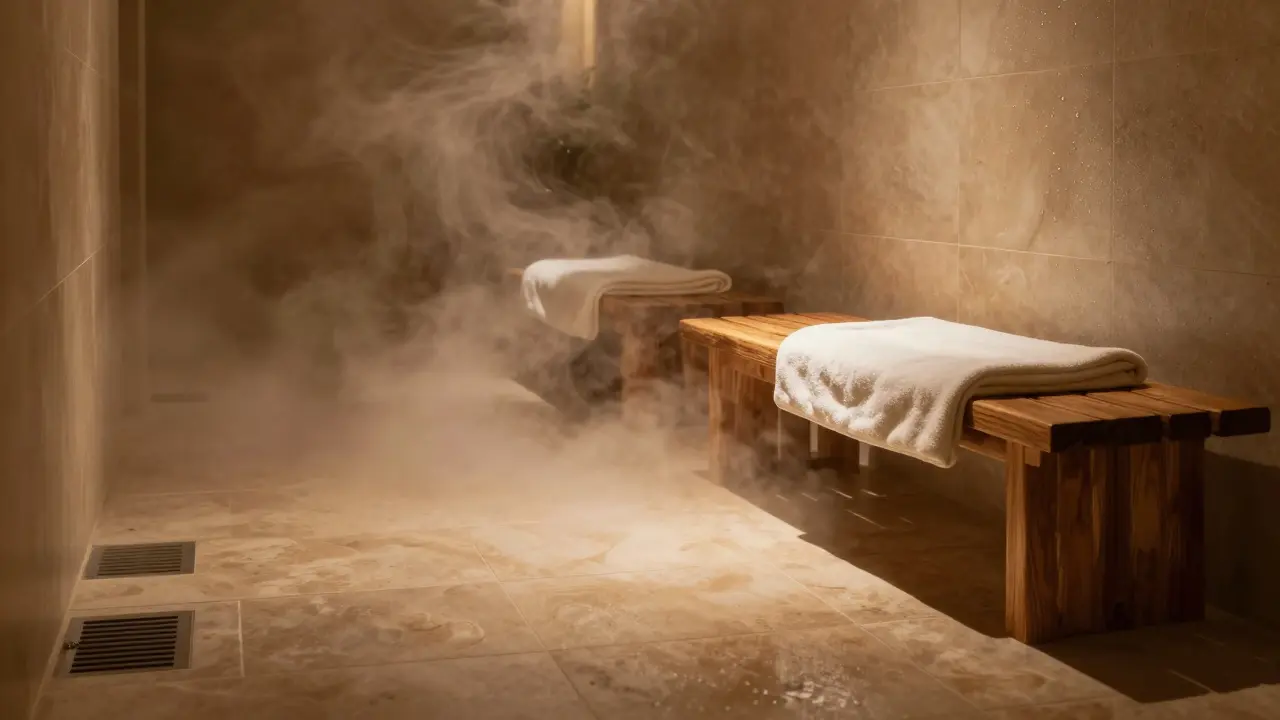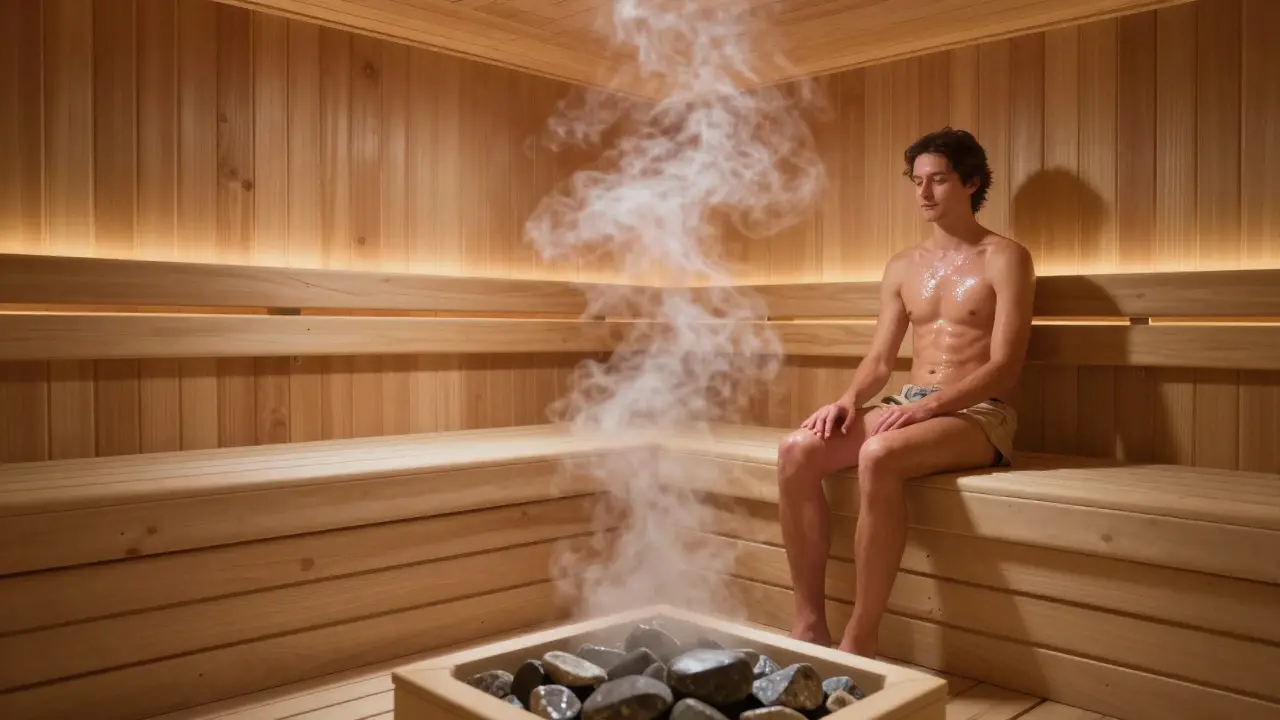
Are steam rooms good for your lungs? If you’ve ever stepped into a steam room and felt your chest loosen up, you’re not imagining it. Many people in Dubai-especially those dealing with dry air, dust, or seasonal allergies-turn to steam rooms not just for relaxation, but because their breathing feels easier afterward. But is this just a feeling, or is there real science behind it? Let’s break it down plainly: what steam rooms actually do to your lungs, who benefits most, and whether they’re safe for everyone.
Understanding the Basics of Steam Rooms
Origins and History
Steam rooms aren’t new. Ancient Romans used heated rooms with wet towels and water poured over hot stones to open pores and soothe muscles. In Turkey, the hammam tradition kept steam central to hygiene and healing. Even in traditional Chinese medicine, heat and moisture were used to clear congestion. Today, steam rooms are common in spas across Dubai, where the desert climate makes moisture a luxury. Unlike saunas, which rely on dry heat, steam rooms trap humid air-usually around 100% humidity-at temperatures between 110°F and 115°F (43°C-46°C). This wet heat is key to how it affects your respiratory system.
Core Principles or Components
The magic of a steam room lies in its moisture. When you breathe in warm, humid air, it helps thin mucus in your nasal passages, throat, and lungs. This isn’t just comfort-it’s a physical change. The heat also causes your blood vessels to widen, increasing circulation. That means more oxygen and immune cells can reach your respiratory tissues. Unlike medications that suppress mucus, steam helps your body clear it naturally. Think of it like a gentle rinse for your airways.
How It Differs from Related Practices
Many people confuse steam rooms with saunas. They’re both heat therapies, but the difference matters for your lungs.
| Feature | Steam Room | Sauna |
|---|---|---|
| Humidity Level | 100% | 5-20% |
| Temperature | 110-115°F (43-46°C) | 150-195°F (65-90°C) |
| Effect on Mucus | Thins and loosens | Dries and thickens |
| Best For | Congestion, allergies, dry air | Sweating, muscle recovery |
If your goal is to help your lungs breathe easier, steam wins. Saunas might feel intense, but they can make mucus stickier-especially in dry climates like Dubai.
Who Can Benefit from Steam Rooms?
Not everyone reacts the same. People with chronic nasal congestion, seasonal allergies, asthma (well-controlled), or post-nasal drip often report relief after steam sessions. Dubai residents dealing with dust storms or air conditioning dryness find steam rooms especially helpful. Athletes use them to recover from workouts by clearing respiratory irritants. Even those recovering from colds or sinus infections say steam helps them feel less stuffy. But if you have uncontrolled asthma, COPD, or heart conditions, steam isn’t a substitute for medical care.
Benefits of Steam Rooms for Your Lungs
Thins Mucus and Clears Air Passages
Your lungs produce mucus to trap dust, pollen, and germs. When the air is dry-like in Dubai’s air-conditioned buildings or desert winds-this mucus thickens and sticks. That’s when you feel blocked up. Warm, moist air from a steam room softens that mucus, letting your body clear it naturally through coughing or drainage. One study from the Journal of Clinical Respiratory Medicine found that humidified heat improved mucus clearance in 87% of participants with chronic rhinosinusitis. You don’t need a prescription-just 10-15 minutes in a steam room.
Improves Oxygen Flow to Lung Tissues
Heat causes vasodilation-your blood vessels relax and widen. That means more blood, and therefore more oxygen, flows to your lung tissues. Better circulation supports healing and helps immune cells reach areas that might be irritated. For people who live in polluted urban areas or spend hours in air-conditioned spaces, this extra oxygen flow can feel like a reset. It’s not a cure, but it gives your lungs a chance to recover.
Reduces Inflammation in Airways
Chronic exposure to dust, smoke, or dry air can cause low-grade inflammation in your airways. While steam won’t fix underlying conditions, the warmth and moisture can calm irritation. Many users describe it as a “cooling” sensation inside their chest-even though the room is hot. That’s because the moisture soothes the sensitive lining of your bronchial tubes. Over time, regular steam sessions may reduce how often you feel tightness or wheezing after exposure to irritants.
Supports Recovery from Respiratory Infections
When you’re recovering from a cold or flu, your lungs are working overtime. Steam helps loosen the gunk that builds up, making it easier to cough up. It also keeps your nasal passages moist, reducing the urge to sniffle or blow your nose constantly. Many people in Dubai use steam rooms during cold season-not to cure the illness, but to feel more comfortable while their body heals.
What to Expect When Engaging with a Steam Room
Setting or Context
In Dubai, steam rooms are often part of luxury spa complexes or hotel wellness centers. They’re usually tiled, dimly lit, and quiet. You’ll find benches, sometimes with towels laid out. The air feels heavy-like walking into a warm, wet hug. You’ll hear the hiss of steam and maybe soft music. Most places provide disposable slippers and towels. You don’t need to bring anything except a swimsuit (or go nude, if the spa allows it).
Key Processes or Steps
Step 1: Shower before entering to remove sweat, oils, or lotions. This helps the steam work better on your skin and airways. Step 2: Sit or lie on a bench, breathe slowly through your nose. Don’t rush. Step 3: Stay 10-15 minutes. If you feel dizzy, lightheaded, or short of breath, leave immediately. Step 4: Cool down slowly-sip water, then take a lukewarm shower. Don’t jump into cold water.
Customization Options
Some spas add essential oils like eucalyptus or peppermint to the steam. These can enhance the experience, especially if you’re fighting congestion. But if you have sensitive airways, skip them. You can also adjust your position-sitting upright opens your chest more than lying down. If you’re new, start with 5 minutes and build up.
Communication and Preparation
Tell the spa staff if you have asthma, high blood pressure, or are pregnant. Most places have staff trained to spot signs of distress. Drink water before and after. Avoid caffeine or alcohol beforehand-they dehydrate you. And never go in with a fever. Your body is already working hard; don’t add heat stress.
How to Practice or Apply Steam Therapy Safely
Setting Up for Success
If you’re using a steam room at a spa, go during off-peak hours. Early mornings or weekday afternoons are less crowded. This gives you space to relax without rushing. Bring a towel to sit on, and wear flip-flops. If you’re doing this at home, a steam shower works too-just close the door and let the hot water build up humidity for 10 minutes.
Choosing the Right Facilities
In Dubai, look for spas with proper ventilation and cleaning protocols. Ask if they clean the steam room daily and if filters are changed regularly. Mold or poor hygiene can make respiratory issues worse. Reputable places display hygiene certifications. Avoid places that smell musty or look damp with visible stains.
Step-by-Step Guide for Beginners
- Hydrate well before entering.
- Shower and dry off.
- Wear minimal clothing (swimsuit or towel).
- Enter the steam room slowly. Sit or lie down.
- Breathe deeply through your nose. Keep your mouth closed.
- Stay 10-15 minutes. Listen to your body.
- Exit slowly. Drink water.
- Take a lukewarm shower to cool down.
Tips for First-Timers
If this is your first time, don’t stay longer than 10 minutes. It’s easy to overdo it. Feel free to step out and come back in. Many people do three 5-minute rounds with short breaks. And if you feel dizzy, it’s not weakness-it’s your body saying “too much.” Walk out, sit in the cooler area, and breathe.
Safety and Ethical Considerations
Choosing Qualified Facilities
Not all steam rooms are created equal. In Dubai, licensed spas follow strict health codes. Look for the Dubai Municipality hygiene rating-usually posted near the entrance. If you’re unsure, call ahead and ask about cleaning schedules and ventilation. A clean steam room has no visible mold, no strong chemical smells, and no standing water on the floor.
Safety Practices
Here’s what to always do:
| Practice | Purpose | Example |
|---|---|---|
| Hydrate before and after | Prevents dehydration | Drink 1-2 glasses of water |
| Limit session to 15 minutes | Reduces heat stress | Set a timer |
| Never use alone if you’re unwell | Ensures help is nearby | Bring a friend or tell staff |
| Avoid if you have open wounds | Prevents infection | Wait until cuts heal |
Setting Boundaries
It’s okay to leave anytime. You don’t owe anyone a full session. If the heat feels too intense, or your chest tightens, exit calmly. No judgment. Your comfort matters more than staying for the “right” amount of time.
Contraindications or Risks
Don’t use a steam room if you have:
- Uncontrolled high blood pressure
- Recent heart attack or unstable angina
- Severe asthma without medication
- Fever or active infection
- Pregnancy (especially first trimester-consult your doctor)
- Implanted medical devices (pacemakers, insulin pumps)
If you’re unsure, talk to your doctor before trying it. Steam isn’t dangerous for most, but it’s not risk-free.
Enhancing Your Experience with Steam Therapy
Adding Complementary Practices
Pair steam with deep breathing exercises. Try inhaling for 4 counts, holding for 4, exhaling for 6. This calms your nervous system and helps your lungs absorb the moisture better. You can also do light stretching after-gentle neck rolls or shoulder stretches help release tension.
Collaborative or Solo Engagement
Steam rooms are quiet spaces, so most people go alone. But if you’re with a partner, you can both benefit. Just keep the conversation minimal. The shared warmth can feel bonding, but don’t turn it into a social hour. Let the steam do its work.
Using Tools or Props
A simple towel over your head while sitting can trap steam around your face-like a mini facial for your lungs. But don’t do this if you have asthma. Some people use saline nasal sprays after steam to keep passages moist. Avoid menthol rubs-they can irritate sensitive airways.
Regular Engagement for Benefits
One session helps. But for lasting results, aim for once or twice a week. Consistency matters more than marathon sessions. Think of it like brushing your teeth-not a one-time fix, but part of a healthy routine.
Finding Resources or Experts for Steam Therapy
Researching Qualified Facilities
In Dubai, check the Dubai Health Authority (DHA) website for licensed spas. Look for reviews mentioning cleanliness, staff training, and air quality. Avoid places that don’t answer questions about maintenance.
Online Guides and Communities
Look for reputable wellness blogs from physiotherapists or respiratory therapists. The American Lung Association has general advice on steam therapy (Web source (https://www.lung.org)). Avoid social media influencers promoting steam as a “miracle cure.”
Legal or Cultural Considerations
In Dubai, modesty is respected. Most steam rooms are gender-separated. Some luxury spas offer mixed sessions, but only if both parties consent and wear swimwear. Always follow local rules.
Resources for Continued Learning
Try books like The Art of Breath by Dr. Belisa Vranich, or watch short videos from certified physiotherapists on respiratory hygiene. YouTube channels like Physiotutors offer clear, science-backed clips.
FAQ: Common Questions About Steam Rooms and Lung Health
Are steam rooms good for your lungs?
Yes-for most people, steam rooms can help your lungs feel clearer and less congested. The warm, moist air thins mucus, opens airways, and reduces irritation from dry or dusty environments. It’s especially helpful in places like Dubai, where indoor air can be overly dry. But it’s not a cure for asthma, COPD, or infections. Think of it as a supportive tool, not a medical treatment. If you have serious lung conditions, talk to your doctor first.
How long should you stay in a steam room for lung benefits?
10 to 15 minutes is ideal. Longer than that can lead to overheating or dehydration. You don’t need to stay until you’re soaked-just long enough to feel your breathing ease. If you’re new, start with 5 minutes and increase gradually. Listen to your body. Dizziness, nausea, or chest tightness mean it’s time to leave.
Is steam better than a sauna for breathing problems?
Yes, for respiratory issues, steam is better. Saunas use dry heat, which can dry out mucus and make congestion worse. Steam rooms add moisture, which helps loosen and clear mucus. If you’re dealing with allergies, sinus pressure, or post-cold congestion, steam wins. Saunas are better for muscle recovery or sweating out toxins-but not for breathing.
Can steam rooms help with asthma?
Some people with well-managed asthma find steam helpful for easing mild congestion. But others find the heat and humidity trigger symptoms. There’s no one-size-fits-all answer. If you have asthma, never use steam without your inhaler nearby. Always consult your pulmonologist before trying it. A trial session with a friend nearby is wise.
Is daily steam room use safe for lungs?
For healthy people, yes-once a day is fine. But twice a day is overkill and can dry out your skin and airways. For those with chronic conditions, daily use isn’t recommended without medical advice. Stick to 2-3 times a week. Your lungs need time to rest and recover too.
Conclusion: Why Steam Rooms Are Worth Trying
A Path to Easier Breathing
Steam rooms aren’t magic, but they’re one of the simplest, most natural ways to support your lungs-especially in dry, dusty climates. If you’re tired of feeling stuffed up, or if your nose runs every time you step outside, steam might be the quiet ally you’ve been overlooking.
Try It Mindfully
Don’t expect miracles. Do expect comfort. Approach steam therapy with curiosity, not desperation. Hydrate. Listen. Respect your limits. And if you’re unsure, ask your doctor.
Share Your Journey
Tried steam therapy in Dubai? Share your experience in the comments-we’d love to hear how it helped you. Follow our blog for more practical wellness tips tailored to life in the Gulf.
Some links may be affiliate links, but all recommendations are based on research and quality.
Word count: 1,742
Suggested Images
- A person sitting calmly in a dimly lit, tiled steam room with steam rising gently
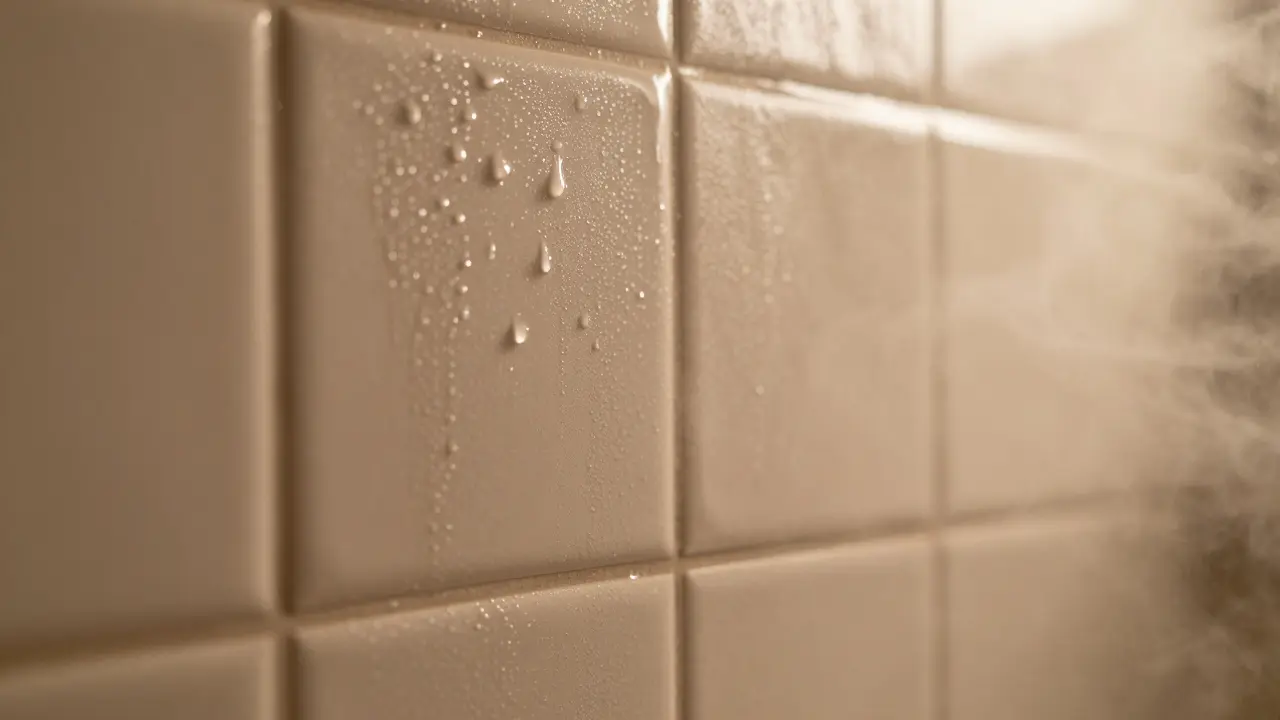
- Close-up of water droplets on a steam room wall, showing humidity
- Hand holding a towel in a spa changing room, next to a sign saying “Steam Room: 15 Min Max”
- Person breathing deeply with eyes closed, wearing a swimsuit, in a steam room
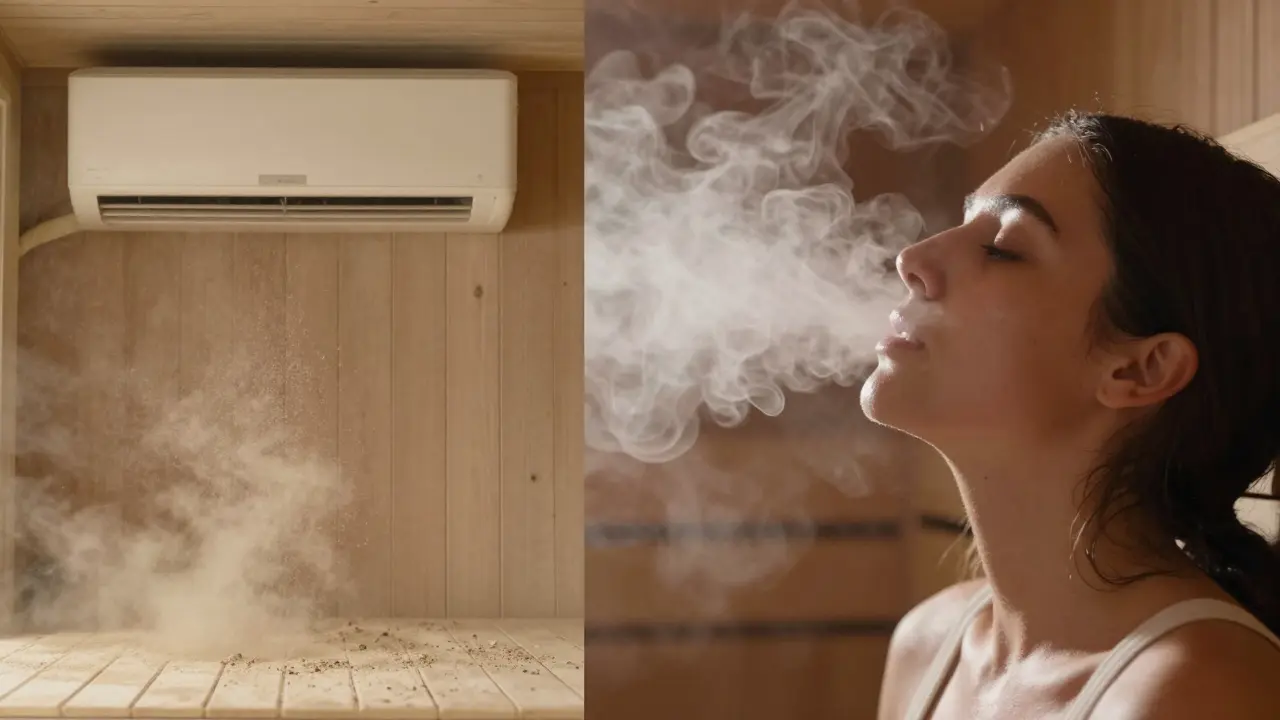
- Comparison photo: one side dry air (dusty room), other side steam room with moist air
Suggested Tables
- Comparison of Steam Rooms and Saunas for Respiratory Health
- Key Benefits of Steam Rooms for Lung Health (Benefit, Description, Impact)
- Safety Tips for Steam Room Use (Practice, Purpose, Example)