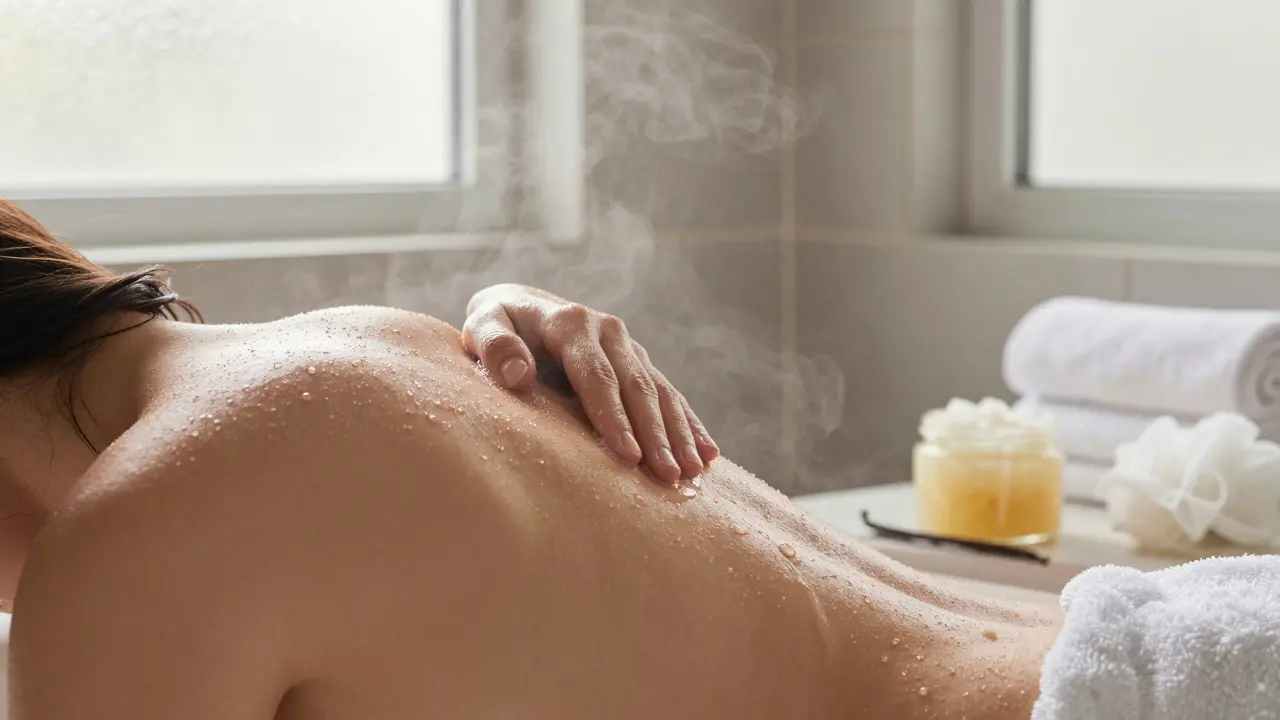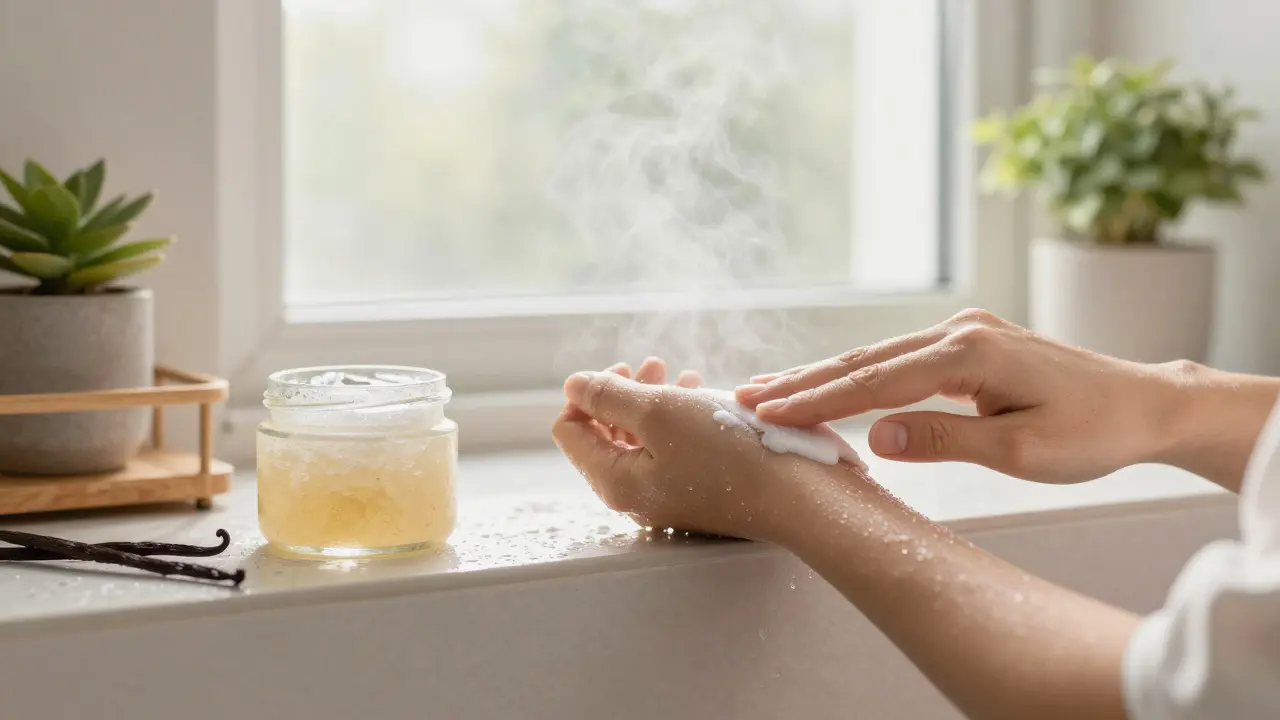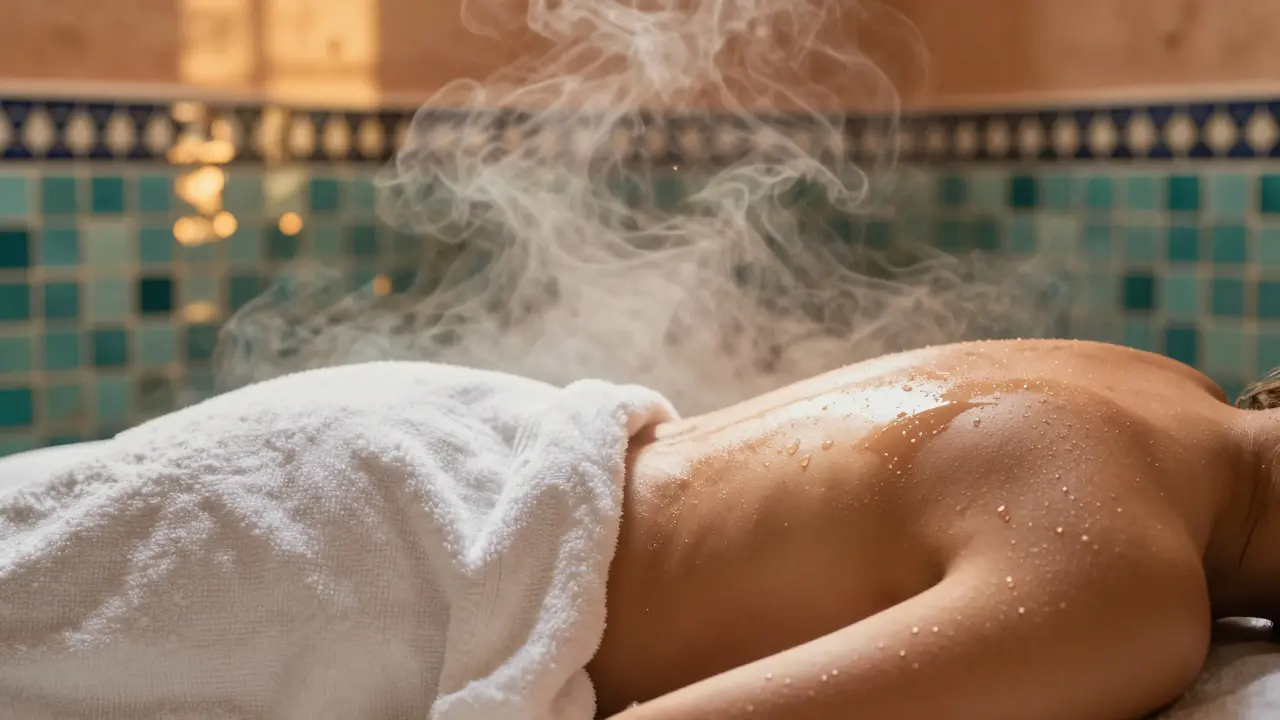
You walk out of a Moroccan Bath feeling incredibly smooth and bright, almost glowing. The temptation to head straight into the sun or a tanning bed might feel strong, especially when you see how fresh your skin looks. But here is the reality check: tanning immediately after a Moroccan bath is generally a bad idea. Your skin has just undergone significant changes, and exposing it to UV rays too soon can lead to serious damage. If you live in Dubai where the sun is fierce year-round, understanding the timing between these two treatments is essential for your skin health.
Understanding the Impact of a Hammam on Your Skin
To understand why waiting is better, we need to look at what actually happens during a traditional Hammam session. It isn’t just a wash; it is a deep-cleansing ritual. The process typically involves steam, scrubbing with a Kessa glove, and the use of Black Soap (Sabon Beldi). These tools work together to remove the outermost layer of dead skin cells.
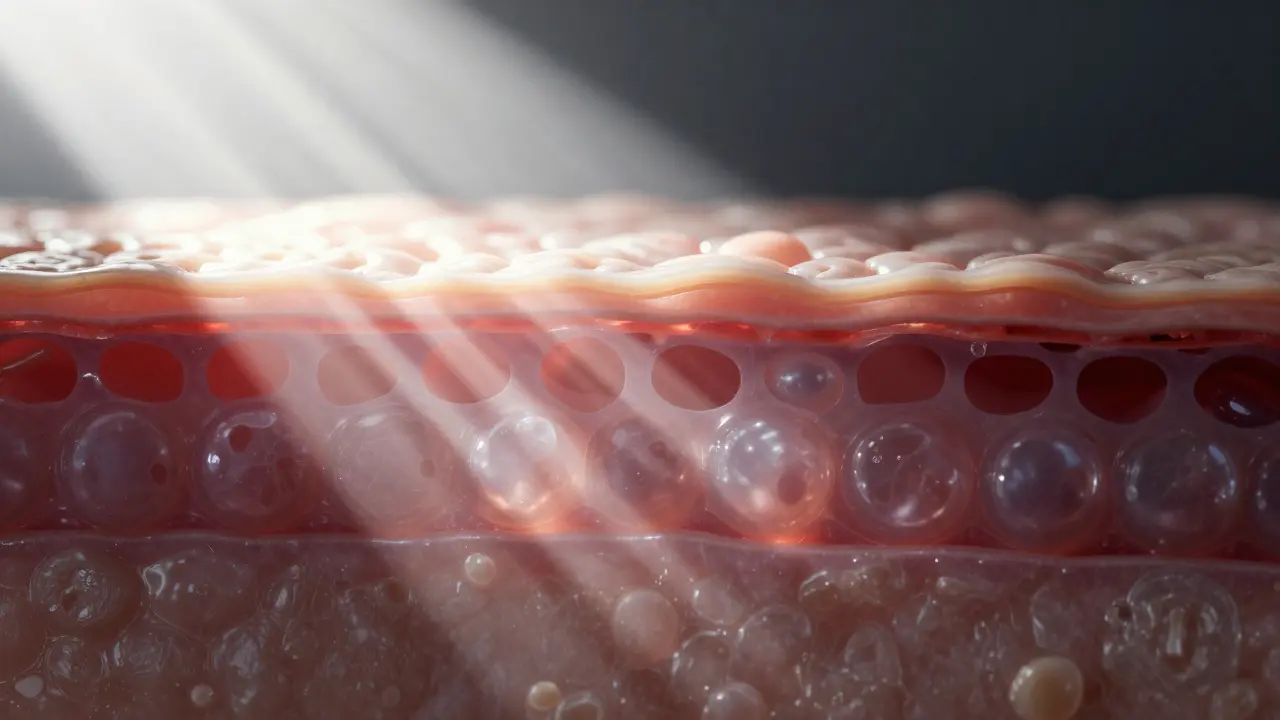
This process, known as physical exfoliation, reveals fresh, new skin underneath. Think of it like polishing a rough stone until it shines; the surface is smoother and more receptive. However, this newly exposed skin barrier is delicate. In medical terms, the stratum corneum (the outer protective layer) has been thinned significantly. When you step out of a spa in Dubai after a treatment, your skin is more permeable and sensitive than usual.
What Happens During the Session?
A standard session lasts about 30 to 60 minutes. The heat opens pores, allowing impurities to release. The mechanical action of the scrub removes roughly 30% of the visible dead cell layer depending on the intensity. For some individuals, redness or mild sensitivity is common for up to 24 hours post-treatment. This physiological response indicates that your body is still regulating the surface temperature and moisture levels.
Why Tanning Right Away Is Risky
Combining intense sun exposure or artificial UV radiation with freshly exfoliated skin creates a perfect storm for adverse reactions. Here is exactly why you should skip the beach for a few days.
| Condition | Before Treatment | Immediately After |
|---|---|---|
| Protection Layer | Intact | Compromised |
| Sensitivity | Normal | High |
| Burn Risk | Standard | Severely Elevated |
| Moisture Retention | Balanced | Dehydrated |
The Mechanism of Burns
UV rays penetrate deeper when the protective dead skin layer is gone. This means the melanin-producing cells (melanocytes) take a direct hit, causing inflammation faster than normal. Instead of a golden glow, you risk getting patchy burns. Furthermore, because your skin hydration is often temporarily lowered after the scrub, your ability to repair DNA damage caused by UV rays is impaired during this window.
In Dubai, the UV index frequently hits 'Extreme' levels during midday. Even walking outside in the afternoon sun carries risks. Indoor tanning beds are equally dangerous post-Hammam because the concentrated UV bulbs bypass natural defenses even more aggressively.
Recommended Timeline for Sun Exposure
If you absolutely must be outdoors, you need a waiting period. Dermatology guidelines suggest avoiding direct UV exposure for a specific duration after chemical or physical peels. While a Hammam is not a clinical peel, the principle remains similar.
The ideal wait time is 48 to 72 hours. This allows the skin barrier to regenerate naturally. By day three, your skin cells have begun to reform the protective layer, reducing the shock impact of UV light. If you cannot avoid the sun within this window, rigorous protection becomes mandatory.
Signs You Are Ready
How do you know when it is safe? Look for the absence of residual redness. Gently touch your arms or legs; if there is no stinging sensation and the skin feels tight rather than raw, you are closer to readiness. Also, consider your skin type. Fairer skin tones may need to wait longer than those with higher natural melanin counts.
Safe Alternatives for an Instant Glow
We get it-you want that healthy look now. There are ways to achieve a tan effect without risking sunburn. One popular option in Dubai spas is a self-tanning application. Since your skin is exfoliated, self-tanner often applies more evenly and gives darker results with less product.
However, even with self-tanners, you need to prepare. Apply a lightweight moisturizer before the tanning solution to prevent streaking. If you choose spray tan services, inform the technician you just had a scrub so they can adjust the formula strength. This way, you get the color you desire without subjecting your vulnerable cells to radiation.
Protection Strategies for Sensitive Skin
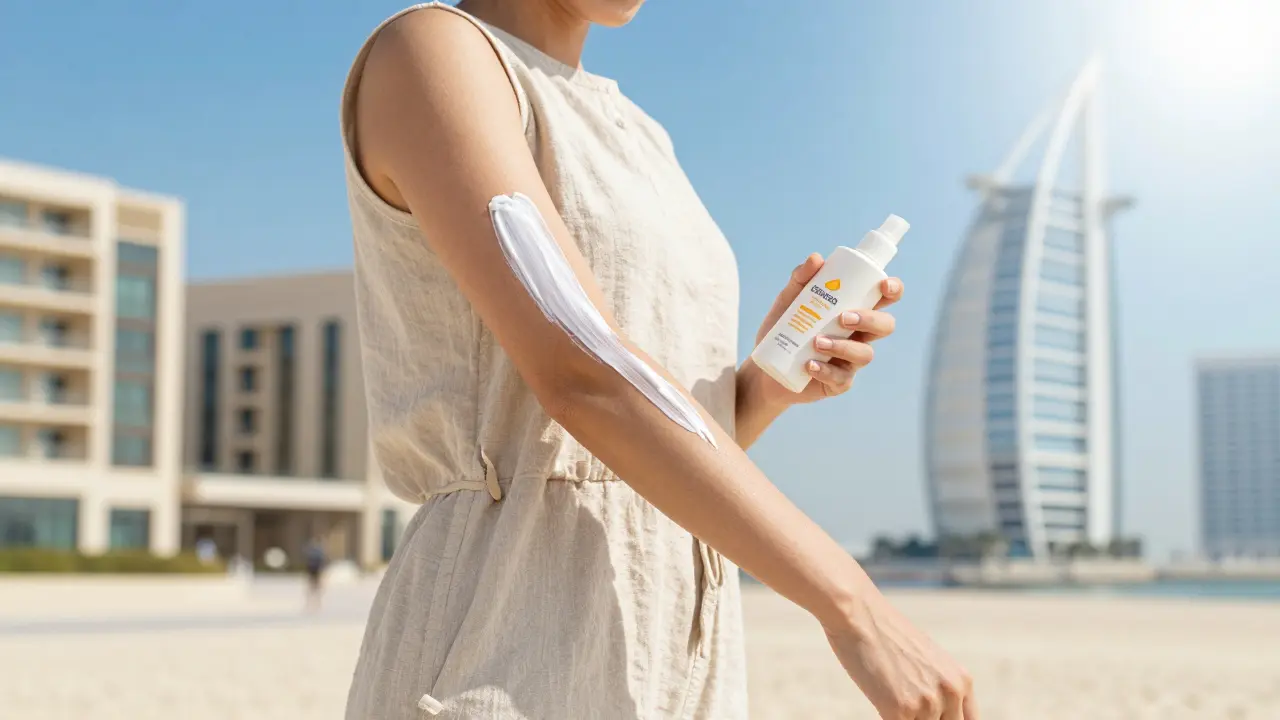
Once your waiting period ends, you still need to protect that beautiful skin. The "freshness" from the Hammam shouldn't come at the cost of premature aging. Sunscreen is non-negotiable.
- Broad Spectrum: Ensure your SPF protects against both UVA and UVB rays.
- SPF Level: Aim for SPF 50+, especially in Middle Eastern climates.
- Reapplication: Sweat and humidity affect protection. Reapply every two hours.
- Clothing: Wear loose, breathable fabrics that provide shade.
Hydration plays a massive role in recovery. Drink plenty of water throughout the day following your spa visit. Internal hydration helps restore the moisture barrier disrupted during the steam room experience. Foods rich in antioxidants can also assist the skin in repairing cellular damage naturally.
Finding Trusted Providers in Dubai
Not all Moroccan baths are created equal. In cities like Dubai, standards vary widely between hotels and standalone salons. Choosing a reputable facility ensures the hygiene protocols are met and the scrub technique isn't overly aggressive.
Look for places that offer consultation before the service begins. Ask them specifically about post-care recommendations. Professional therapists should always advise you to avoid immediate sun exposure. If a staff member suggests otherwise, it might be a sign to look elsewhere. Verified reviews and professional accreditation are good indicators of quality service.
Summary
Your journey to radiant skin starts with patience. While the impulse to tan right after a Moroccan bath is understandable, the short-term beauty gain isn't worth the long-term burn risk. By waiting 48 hours and prioritizing sun protection, you preserve the benefits of the treatment without compromising your health.
Is it safe to go to the beach after a Hammam?
It is not immediately safe. Due to exfoliation, your skin barrier is thin, making it highly susceptible to burning. Wait at least 48 hours before significant sun exposure. Always wear high-SPF sunscreen if you do go sooner.
Does a Moroccan Bath ruin a tan?
Yes, it strips the top layer of skin where the tan resides. Scrubbing after tanning will cause the color to fade quickly and patchily. Ideally, schedule the bath before starting your tanning season, not in the middle of it.
How long does redness last after a scrub?
For most people, mild redness subsides within 2 to 4 hours. Intense scrubbing might keep skin pink or tender for up to 24 hours. Avoid hot showers and harsh products during this cooling-down period.
Can I spray tan right after the bath?
Yes, this is actually recommended. Freshly exfoliated skin absorbs self-tanner more evenly. Just ensure your skin is completely cool and dry, and avoid deodorant or lotions immediately prior to application.
What oils should I use after a Hammam?
Argan oil is the classic choice in Morocco and available widely in Dubai. Argan oil is excellent for restoring moisture without clogging pores. Other options include almond oil or specialized barrier-repair creams designed for sensitized skin.