When you hear the word hammam, do you picture steam, scrubbing, and maybe a little pain? You’re not alone. Many first-timers in Dubai wonder: Does a hammam hurt? The short answer? Not if you go in with the right expectations. A traditional Moroccan bath isn’t a punishment-it’s a ritual. And in Dubai, where luxury meets ancient wellness, it’s one of the most soothing experiences you can have.
Imagine stepping into warm, humid air thick with the scent of black soap and eucalyptus. Your skin tingles, not from pain, but from anticipation. The therapist greets you with a calm smile, not a sponge and scrub brush like a drill sergeant, but as a guide. This isn’t about roughing you up. It’s about letting go.
Understanding the Basics of Hammam
Origins and History
The hammam traces back over a thousand years to Roman bathhouses and evolved through Islamic culture into the communal steam baths we know today. In Morocco, it’s not just a spa-it’s a social ritual. Grandmothers go with granddaughters. Friends meet after work. Men and women have separate hours, but the purpose is the same: to cleanse, relax, and reset. Dubai’s hammams honor this tradition while adapting it for modern comfort. You won’t find open-air courtyards here, but you’ll find the same slow, intentional rhythm-steam, scrub, rinse, repeat.
Core Principles or Components
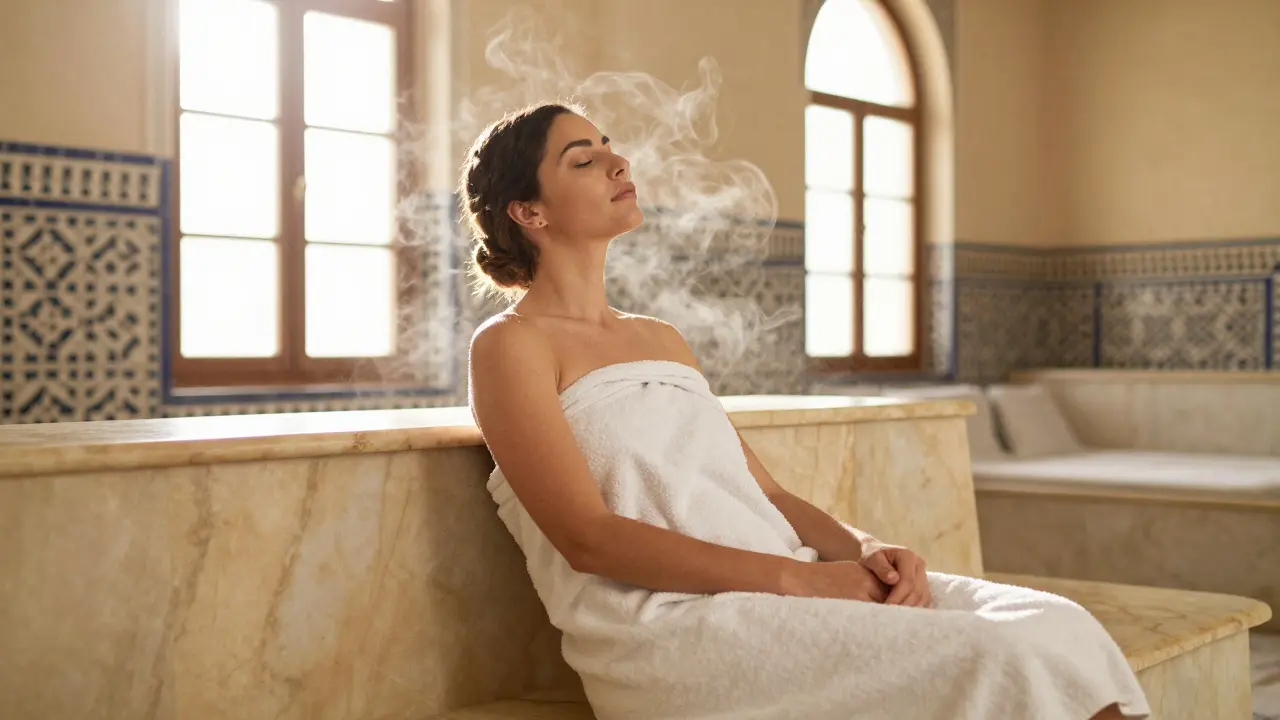
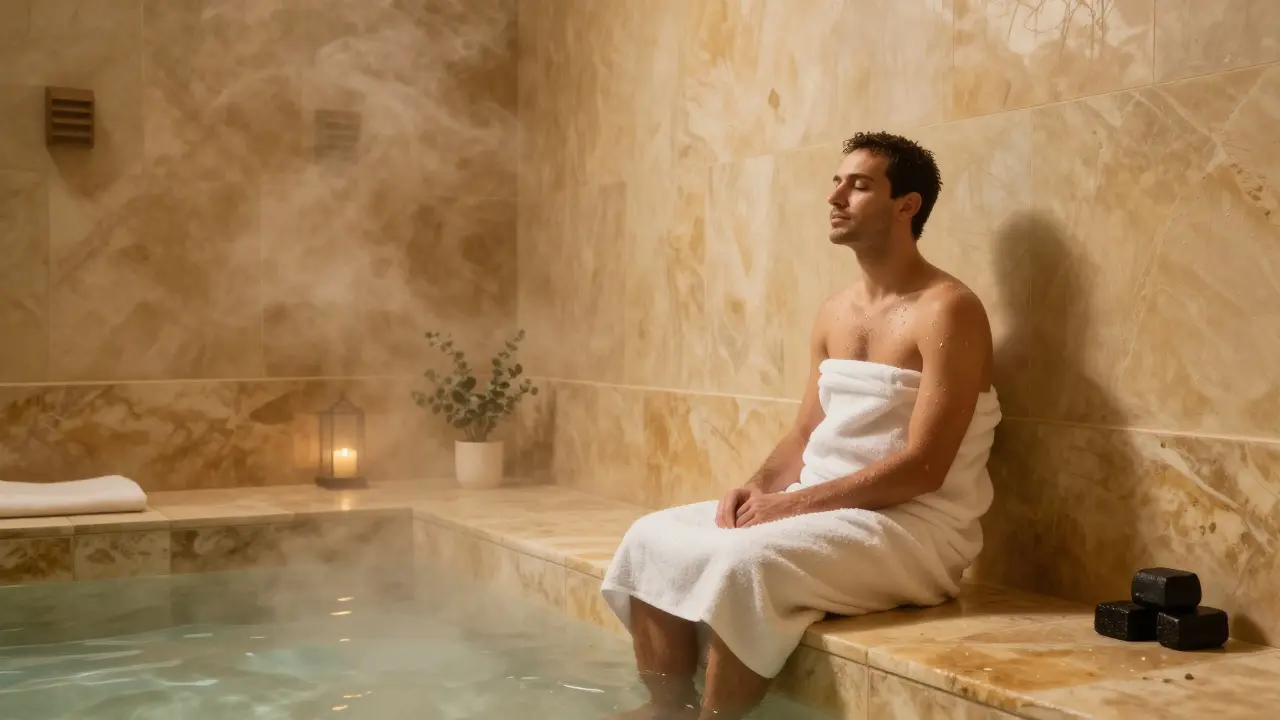
A traditional hammam session has three phases: heat, scrub, and rinse. First, you relax in a hot room (around 40-45°C) for 10-15 minutes. This opens your pores and softens dead skin. Then comes the scrub-using a kessa glove and natural black soap made from olive oil and crushed kernels. It’s not harsh. It’s like exfoliating with a warm, soapy loofah that’s been perfected over centuries. Finally, you rinse under cool water, then wrap up in a towel and sip mint tea while your body cools down. The whole thing lasts about 60-90 minutes.
How It Differs from Related Practices
People often confuse hammam with saunas or regular spa scrubs. Here’s how it stacks up:
| Practice | Key Feature | Primary Benefit |
|---|---|---|
| Hammam | Steam + natural scrub + slow rhythm | Deep detox + circulation boost |
| Sauna | Dry heat only | Sweat and relaxation |
| Regular Spa Scrub | Chemical exfoliants, machine-assisted | Surface glow |
The hammam doesn’t just polish your skin-it reprograms your nervous system. The heat, the scent, the rhythm-it all works together.
Who Can Benefit from Hammam?
Almost everyone. Athletes use it to recover from muscle fatigue. People with dry skin find relief from flakiness. Those dealing with stress or poor circulation notice a difference after just one session. Even if you’re skeptical, give it a try. The beauty of the hammam is that it adapts to you. If you’re sensitive, they’ll go lighter on the scrub. If you want deeper pressure, they’ll adjust. It’s not one-size-fits-all-it’s one-size-fits-you.
Benefits of Hammam for Body and Mind
Stress Reduction
The heat of the hammam triggers your parasympathetic nervous system-the part of your brain that says, “It’s safe to relax.” Your heart rate slows. Your breathing deepens. The silence, the steam, the warmth-it’s like a reset button for anxiety. Research from the National Institutes of Health suggests that heat therapy can reduce cortisol levels by up to 20% in a single session. In Dubai’s fast-paced environment, this isn’t a luxury-it’s a necessity.
Enhanced Skin Health
Dead skin cells build up faster in Dubai’s dry heat and air-conditioned spaces. The kessa glove removes them gently but thoroughly, revealing smoother skin underneath. Many people notice their moisturizers absorb better after a hammam. It’s not magic-it’s science. Clearing the surface layer lets your skin breathe and regenerate. No harsh chemicals. Just plant-based soap and physical exfoliation.
Emotional Well-Being
There’s something deeply calming about being cared for in silence. No phones. No distractions. Just warmth and touch. Many clients report feeling lighter-not just physically, but emotionally. It’s not therapy, but it feels like it. In cultures where touch is a form of healing, the hammam therapist’s hands become a bridge to peace.
Practical Applications
After a hammam, you’ll notice:
| Benefit | Description | Impact |
|---|---|---|
| Improved circulation | Heat dilates blood vessels | Warmer hands/feet, fewer cramps |
| Reduced muscle tension | Steam relaxes tight fibers | Better sleep, less back pain |
| Clearer pores | Scrub removes trapped oils | Fewer breakouts |
| Increased mindfulness | Slow pace encourages presence | Lower stress levels |
What to Expect When Engaging with Hammam
Setting or Context
In Dubai, top hammams are tucked into luxury resorts or quiet wellness centers. Think marble floors, soft lighting, and the sound of water dripping. You’ll be given a towel, slippers, and a robe. No swimsuits-this is a nude experience, but privacy is absolute. You’ll be in a private room with your therapist, who will leave you alone while you steam. No awkward glances. No judgment.
Key Processes or Steps
Here’s what happens step by step:
- Steam for 10-15 minutes in the hot room
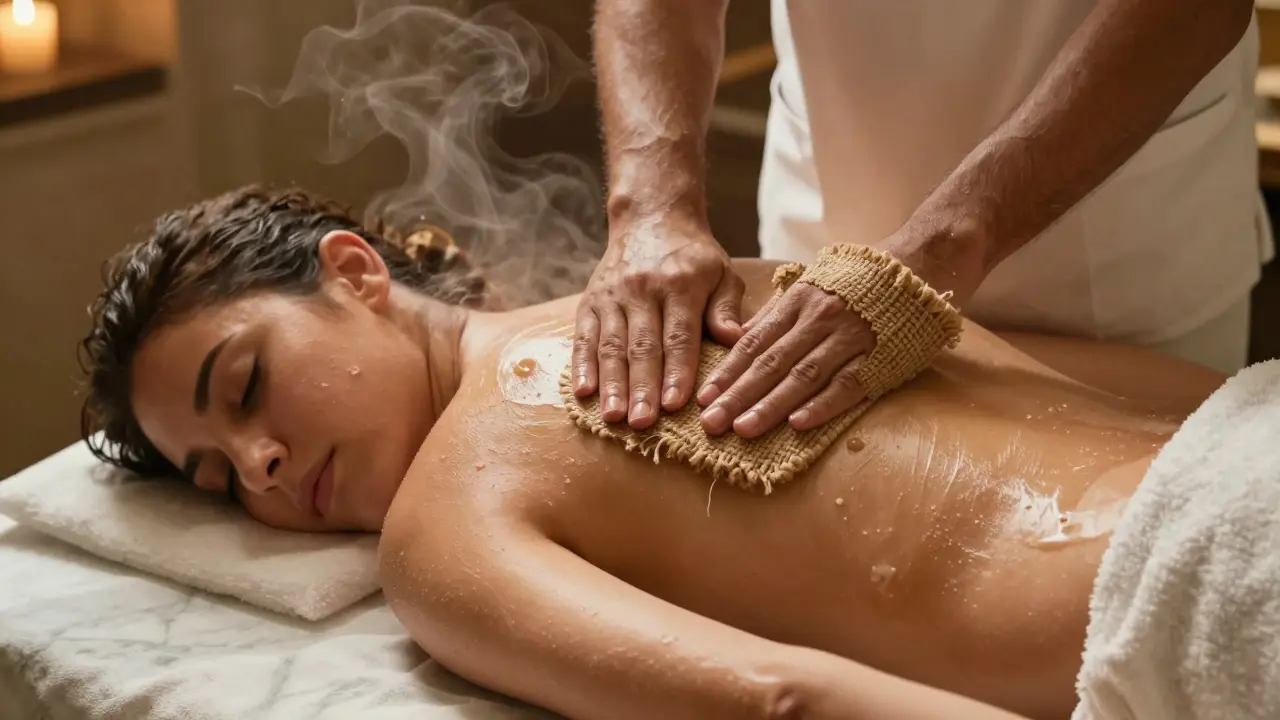
- Therapist applies black soap and gently scrubs your body with a kessa glove
- They massage your back, arms, legs-never too hard
- Rinse off under warm or cool water
- Wrap up in a towel, sip mint tea, relax for 15 minutes
It’s not rushed. There’s no clock. You’re meant to sink into it.
Customization Options
Want less scrub? Say so. Prefer a lavender oil massage afterward? They’ll do it. Some places offer aromatherapy, honey masks, or even a shampoo with argan oil. You’re not a customer-you’re a guest. Tell them what you need.
Communication and Preparation
Before your session, hydrate. Drink water. Avoid caffeine. Arrive 15 minutes early. Don’t shave right before-it can irritate freshly scrubbed skin. And if you’re nervous about nudity? That’s normal. Most first-timers are. The therapist has seen it all. Your comfort comes first.
How to Practice or Apply Hammam
Setting Up for Success
Don’t rush. Book a session on a day you’re not stressed. Wear loose clothes afterward. Bring a reusable water bottle. If you’re going with a partner, ask for a double room-some places offer it.
Choosing the Right Tools/Resources
In Dubai, stick to reputable spas: The Spa at Jumeirah Al Naseem, Spa Al Maha, or Spa at the Ritz-Carlton. These places train their therapists in traditional techniques. Avoid bargain basement deals-they cut corners on hygiene or pressure.
Step-by-Step Guide for First-Timers
1. Book a 75-minute session (not the 30-minute one-it’s too short).
2. Arrive early, hydrate.
3. Shower before entering the steam room.
4. Let the heat work for 10 minutes.
5. Signal the therapist when you’re ready.
6. Breathe. Relax. Don’t tense up.
7. After the scrub, lie still while they rinse you.
8. Sip tea. Breathe. Feel the calm.
Tips for Beginners or Couples
If you’re nervous, go solo first. If you’re with a partner, book a double room. Talk to your therapist. Ask questions. And remember: if something feels uncomfortable, say so. No one expects you to grin and bear it.
Safety and Ethical Considerations
Choosing Qualified Practitioners/Resources
Look for spas that list their therapist training. Many in Dubai train in Morocco or with Moroccan-certified schools. Check reviews for mentions of “gentle,” “professional,” or “respectful.” Avoid places that push add-ons aggressively.
Safety Practices
Here’s how to stay safe:
| Practice | Purpose | Example |
|---|---|---|
| Hydrate before and after | Prevent dizziness | Drink 2 glasses of water |
| Don’t go if pregnant or heart condition | Reduce risk | Consult your doctor first |
| Use clean towels and gloves | Prevent infection | Ask if they change between clients |
Setting Boundaries
You have full control. If the scrub is too rough, say “lighter, please.” If you don’t want oil, say no. A good therapist will pause, adjust, and thank you. Your comfort is part of the ritual.
Contraindications or Risks
Avoid hammam if you have:
- High blood pressure
- Recent surgery
- Open wounds or sunburn
- Severe eczema or psoriasis
- Are pregnant (especially first trimester)
When in doubt, check with your doctor. It’s not risky for most-but it’s not for everyone.
Enhancing Your Experience with Hammam
Adding Complementary Practices
Pair your hammam with a 10-minute meditation afterward. Or drink chamomile tea. Or take a quiet walk. The goal is to extend that calm. Some people journal after. Others just sit in silence. Whatever helps you stay grounded.
Collaborative or Solo Engagement
Solo trips are powerful. You’re alone with your breath. But couples love it too-sharing the ritual, side by side, can deepen connection. It’s quiet intimacy.
Using Tools or Props
After your session, use a natural body oil (like argan or jojoba) to lock in moisture. Keep your skin hydrated for days. Some people buy their own kessa glove to use at home-just rinse and hang dry.
Regular Engagement for Benefits
Once a month is ideal. Too often and your skin can get sensitive. Too rarely and you miss the rhythm. Monthly sessions keep your skin glowing and your stress low.
Finding Resources or Experts for Hammam
Researching Qualified Experts
Look for spas with Moroccan-trained staff. Ask if they use authentic black soap (not synthetic). Check Google reviews for words like “authentic,” “calm,” or “gentle.” Avoid places with 10-minute sessions-they’re skipping the steam.
Online Guides and Communities
Follow Instagram accounts like @moroccanhammamwellness or join Dubai Spa Groups on Facebook. Real users share tips, photos, and honest reviews.
Legal or Cultural Considerations
Dubai respects cultural traditions. Hammams are gender-separated. Respect that. Don’t bring phones into the steam room. No photos. It’s a sacred space.
Resources for Continued Learning
Read The Art of the Hammam by Moroccan wellness experts. Watch documentaries on Moroccan bathing culture. Knowledge deepens the experience.
FAQ: Common Questions About Hammam
Does a hammam hurt?
No, a hammam should not hurt. The scrub is firm but never painful. It’s more like a deep exfoliation-similar to a gentle massage with a loofah. If it feels rough, speak up. A good therapist adjusts pressure instantly. Many first-timers expect pain, but the reality is soothing. The heat relaxes your muscles, and the scrub feels like a warm hug for your skin.
What happens during a hammam session?
You start in a steam room for 10-15 minutes to open pores. Then, a therapist applies black soap and scrubs your entire body with a kessa glove-this removes dead skin. They massage your back, arms, and legs gently. Afterward, you’re rinsed off with warm water, wrapped in a towel, and given mint tea to relax. The whole experience lasts about 75 minutes. There’s no rushing. It’s meant to be slow and calming.
How does hammam differ from a regular spa scrub?
A regular spa scrub uses chemical exfoliants or machines and focuses only on surface glow. A hammam uses natural black soap and a physical scrub (kessa glove) in a heated, humid environment. The steam softens skin deeply, and the ritual includes relaxation, breathing, and tea afterward. It’s holistic-not just skin-deep. The result? Longer-lasting smoothness and a calmer mind.
What is the method of hammam?
The method is simple: heat, scrub, rinse, rest. First, you steam to open pores. Then, you’re gently scrubbed with a kessa glove soaked in black soap made from olive oil and crushed kernels. This removes dead skin without irritation. After rinsing, you’re wrapped in warmth and given mint tea to cool down. The entire process is slow, intentional, and deeply relaxing. It’s not about speed-it’s about surrender.
Is hammam suitable for beginners?
Absolutely. Most people start as beginners. Therapists are trained to guide you. You don’t need to know anything. Just show up, relax, and speak up if something feels off. Many spas offer a “gentle” option for first-timers. You’ll leave feeling calm, clean, and curious to go again.
Conclusion: Why Hammam is Worth Exploring
A Path to Renewal
A hammam isn’t just a scrub. It’s a reset. In a city that never sleeps, it’s one of the few places where you’re allowed to slow down-and actually feel better for it.
Try It Mindfully
Book a session. Don’t overthink it. Let the steam work. Trust the process. And if you’re nervous? That’s okay. Everyone was, once.
Share Your Journey
Tried a hammam in Dubai? Share your experience in the comments. Did the scrub surprise you? Did the tea make you cry? (It’s happened.) Follow this blog for more hidden wellness gems in the city.
Some links may be affiliate links, but all recommendations are based on research and quality.
Word count: 1,712
Suggested Visuals
- A steam room with soft lighting and marble walls
- A therapist gently scrubbing a client’s back with a kessa glove
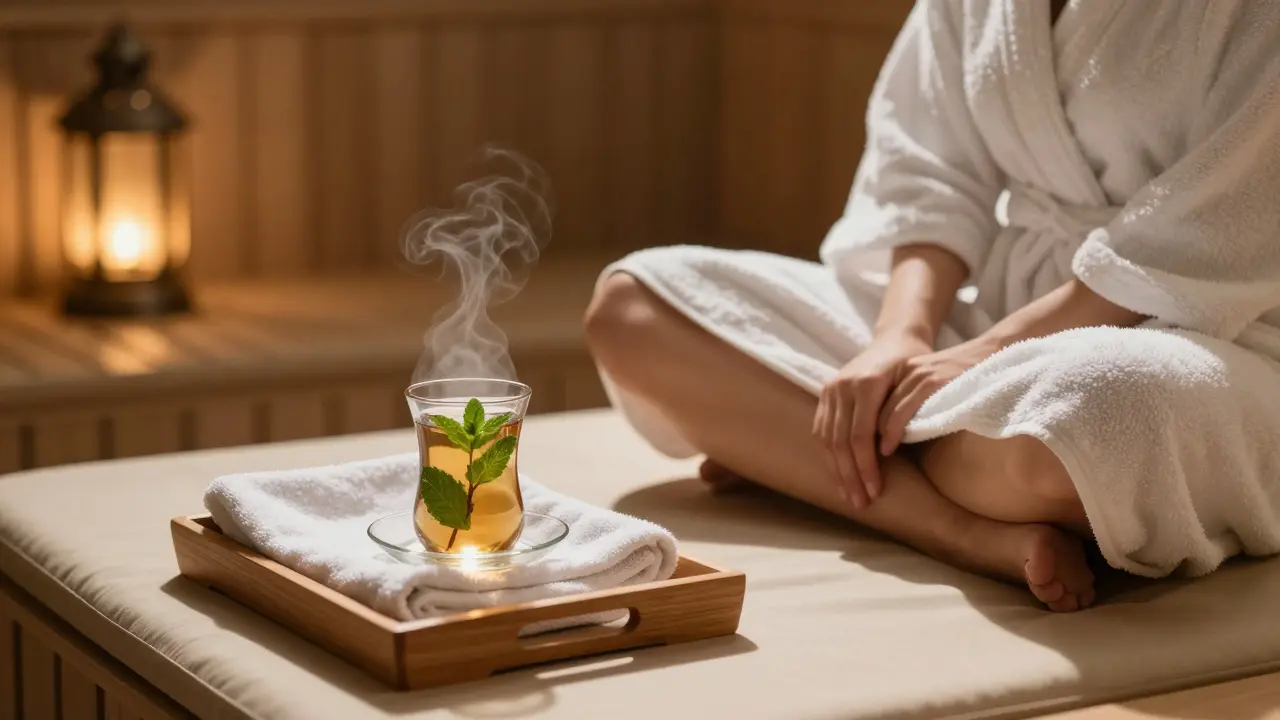
- A steaming cup of mint tea beside a towel-wrapped person
- A close-up of black soap and kessa glove on a wooden tray
- A couple relaxing side by side in a private hammam room
Suggested Tables
- Comparison of Hammam vs. Other Spa Treatments
- Key Benefits of Hammam
- Hammam Safety Tips