Which massage includes intimacy? Your Comprehensive Guide
When people ask which massage includes intimacy, they’re often not looking for romance-they’re looking for connection. Touch is one of the most powerful ways humans bond. A massage that feels deeply personal, calming, or emotionally safe can create a sense of closeness that goes beyond physical relaxation. But not all massages are built the same. Some are clinical, some are purely physical, and others intentionally weave in emotional presence and respectful intimacy. This guide cuts through the noise to show you exactly which types of massage create that quiet, meaningful connection-and which ones don’t.
Understanding the Basics of Massage with Intimacy
Origins and History
Intimate touch in healing goes back thousands of years. Ancient Indian Ayurvedic traditions used Abhyanga oil massages not just to loosen muscles, but to restore balance between body and spirit. In China, Taoist practitioners incorporated slow, intentional touch to move energy (Qi), often between partners as part of holistic wellness. Even in early Greek and Roman baths, massage was part of communal healing rituals where touch was normalized as a form of care. Modern Western spas adopted these ideas, but often stripped away the emotional context-focusing only on pressure and technique. Today, the most thoughtful practitioners are bringing back the heart of those traditions: touch as a language of trust, not just therapy.
Core Principles or Components
Intimacy in massage doesn’t mean sex. It means presence. The core components are: slow, deliberate movements; consistent eye contact (when appropriate); a quiet, distraction-free space; and full consent at every step. Practitioners trained in this style use long, flowing strokes, warm oils, and rhythmic breathing to help the recipient feel held-not just touched. The goal isn’t arousal; it’s deep relaxation that allows the nervous system to unwind. This kind of massage works because the brain interprets safe, steady touch as a signal that you’re not in danger. That’s when cortisol drops and oxytocin rises-the same hormones released during hugging or holding hands with someone you trust.
How It Differs from Related Practices
Many people confuse sensual massage with erotic services. They’re not the same. Here’s how they compare:
| Practice | Primary Focus | Boundary Approach | Typical Setting |
|---|---|---|---|
| Swedish Massage | Relaxation and muscle release | Professional, clinical | Spa or clinic |
| Sensual Massage | Emotional connection and sensory awareness | Consent-based, respectful | Private spa room |
| Erotic Massage | Sexual stimulation | Explicitly sexual | Adult-focused venues |
| Therapeutic Massage | Medical or injury recovery | Strictly clinical | Physical therapy clinic |
Who Can Benefit from Massage with Intimacy?
This isn’t just for couples. People who feel emotionally disconnected-whether from stress, grief, loneliness, or trauma-often find this kind of touch deeply healing. New parents exhausted from sleepless nights, professionals burned out from constant screen time, or even individuals recovering from illness report feeling “seen” for the first time in months after a session. It’s not about romance; it’s about relearning what safe, non-sexual touch feels like. In Dubai, where social norms can make physical connection feel restricted, many clients say this is the only time they feel truly relaxed without guilt.
Benefits of Massage with Intimacy for Body and Mind
Stress Reduction
Research shows that slow, rhythmic touch lowers cortisol levels by up to 30% in a single session. That’s comparable to a full night’s sleep. When your body feels safe, your nervous system shifts from fight-or-flight to rest-and-digest. A skilled practitioner uses long, gliding strokes along the spine and limbs to trigger this response. The warmth of the oil, the sound of quiet music, and the absence of conversation all help your brain switch off its alert systems. Many clients leave feeling lighter-not just physically, but emotionally.
Enhanced Emotional Awareness
Most of us live in our heads. We think too much and feel too little. A massage with intimacy brings you back into your body. You start noticing sensations: the coolness of the room, the scent of lavender, the way your breath slows without trying. This mindfulness isn’t forced-it emerges naturally. Clients often say they cry during or after the session, not because something’s wrong, but because they’ve been holding in emotions for so long. The touch becomes a bridge back to themselves.
Emotional Well-Being
For people who struggle with loneliness or social anxiety, this massage can feel like a lifeline. It doesn’t replace therapy, but it complements it. One client in Dubai, a 42-year-old expat who hadn’t hugged anyone in over a year, told me she felt “reconnected to humanity” after her first session. That’s not hyperbole. Oxytocin-the bonding hormone-spikes during safe, non-sexual touch. It reduces fear, increases trust, and makes you feel less alone. That’s powerful medicine.
Practical Applications
This isn’t just a luxury-it’s a tool for daily resilience. People who regularly receive this type of massage report better sleep, improved mood, and greater patience in relationships. It’s especially helpful for those working in high-stress jobs: doctors, nurses, teachers, and caregivers. In Dubai, where many live far from family, it’s becoming a form of self-care that fills a real emotional gap.
| Benefit | Description | Impact |
|---|---|---|
| Stress Relief | Reduces cortisol, calms nervous system | Faster recovery from burnout |
| Emotional Release | Allows suppressed feelings to surface safely | Greater emotional clarity |
| Bonding | Builds trust through consistent, respectful touch | Improved relationships outside the spa |
| Body Awareness | Reconnects mind with physical sensations | Reduced anxiety, better sleep |
What to Expect When Engaging with Massage with Intimacy
Setting or Context
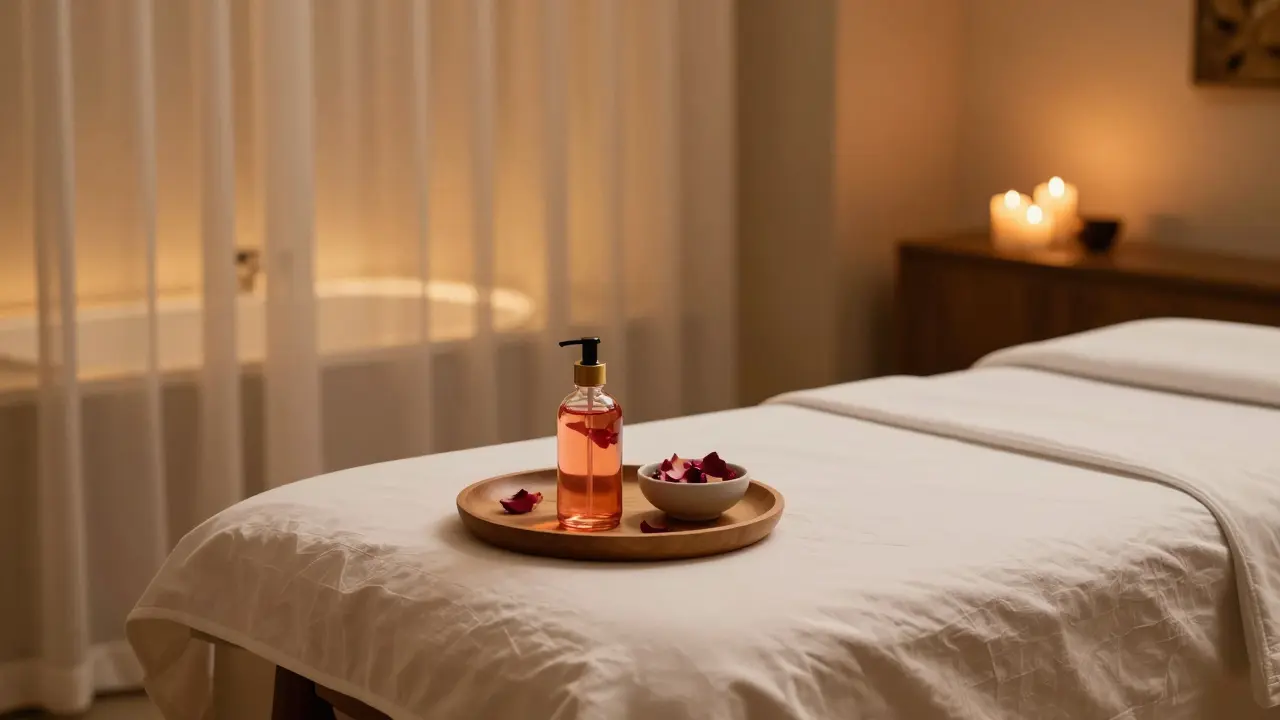
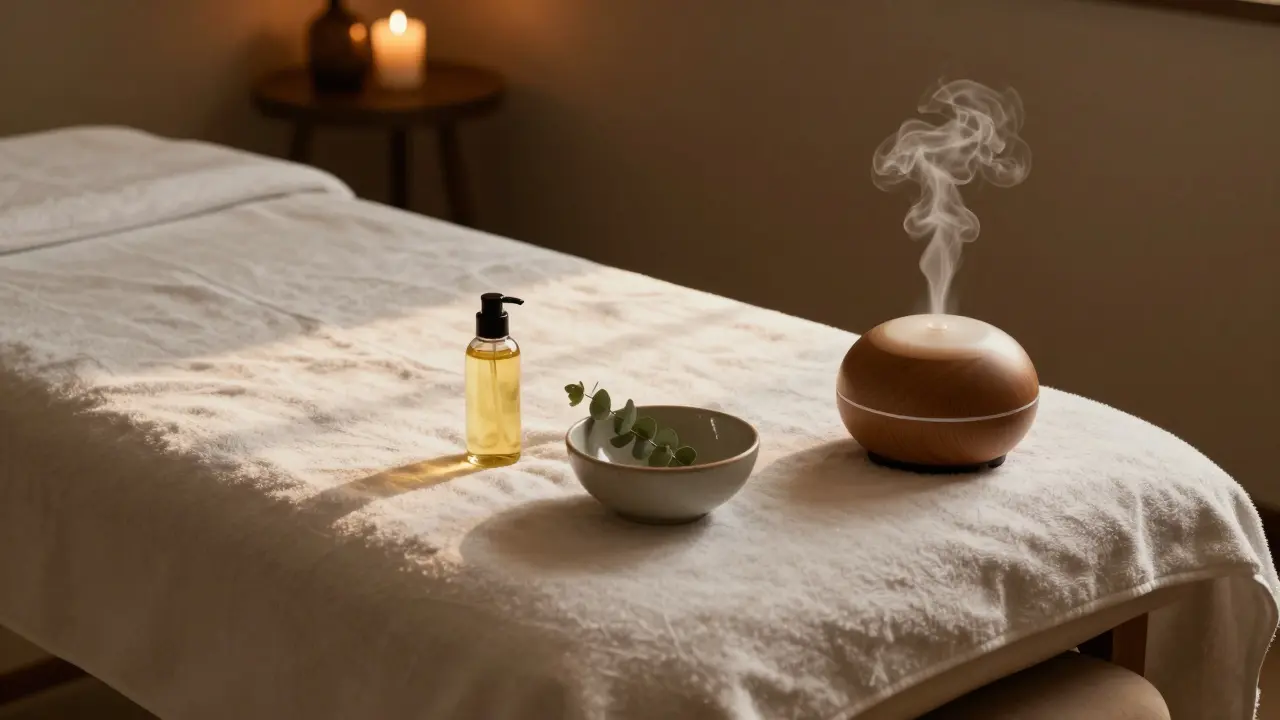
A session takes place in a private, softly lit room. Think warm tones, dim lighting, maybe a small fountain or candles. No loud music-just ambient sounds like rain or distant chimes. The room is kept at a comfortable temperature, and the table is covered with clean, heated towels. You’ll be asked to undress to your comfort level-usually under a sheet. The practitioner leaves the room while you get settled. When they return, they knock, wait for your response, and enter quietly. There’s no rush. No small talk. Just presence.
Key Processes or Steps
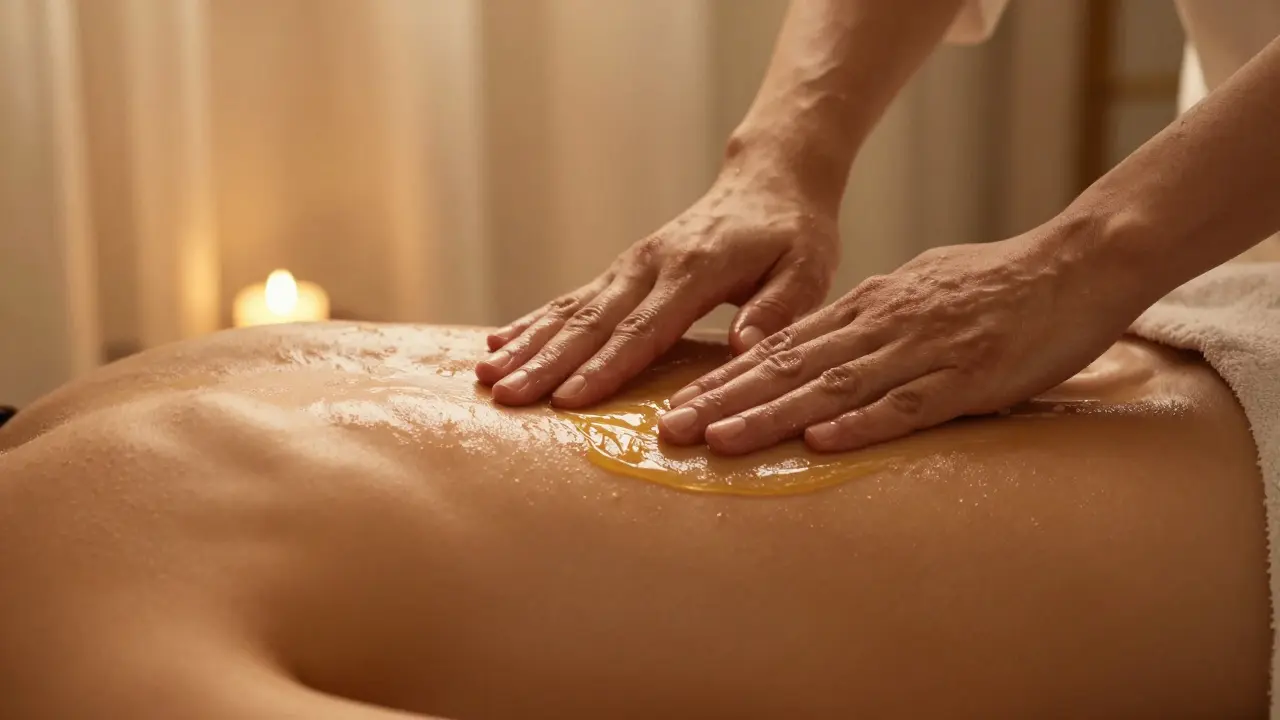
The session starts with a brief check-in: “How do you want to feel today?” Then, the practitioner begins with gentle strokes on your back, shoulders, or feet-areas where tension hides. Movements are slow, deliberate, and synchronized with your breathing. They may pause to let you sink into the sensation. Oil is warmed and applied with care. If you tense up, they’ll adjust. If you sigh, they’ll match the rhythm. The session lasts 60-90 minutes. No sudden movements. No surprises. Just steady, grounding touch.
Customization Options
Every session is tailored. You can ask for more pressure, less oil, or focus on your neck and shoulders. Some people want silence; others prefer soft spoken affirmations. You can request no touching of certain areas-no questions asked. The practitioner adapts to you, not the other way around. In Dubai, many clients ask for Middle Eastern-inspired oils like rose or amber, which add a cultural layer of comfort.
Communication and Preparation
Before the session, you’ll fill out a form asking about injuries, sensitivities, or emotional concerns. This isn’t just for safety-it’s to honor your boundaries. On the day, arrive 10 minutes early. Don’t eat a heavy meal. Drink water. Turn off your phone. This isn’t a quick fix-it’s an experience. The more you let go, the more you’ll receive.
How to Practice or Apply Massage with Intimacy
Setting Up for Success
If you’re considering this for yourself, start by choosing a reputable spa with trained professionals. Look for places that mention “therapeutic touch,” “mindful massage,” or “sensual wellness” in their descriptions. Avoid places that use vague terms like “romantic” or “passionate”-those are red flags. In Dubai, spas like The Ritz-Carlton Spa, Al Maha, and The Spa at Jumeirah Al Naseem have well-trained teams who understand the difference between intimacy and exploitation.
Choosing the Right Tools/Resources
Don’t try this at home with a partner unless both of you have training. Improper touch can trigger anxiety or trauma. If you want to explore at home, start with simple self-massage using a foam roller or warm oil. Focus on your hands, feet, and neck. Breathe deeply. Let your body lead. There’s no rush.
Step-by-Step Guide
- Book a session with a licensed therapist who specializes in mindful touch.
- Arrive early and hydrate.
- Communicate your boundaries clearly before the session begins.
- Let go of expectations-this isn’t about performance.
- Allow yourself to feel whatever comes up-tears, laughter, silence.
- Afterward, sit quietly for 10 minutes. Drink water. Don’t rush back to your phone.
Tips for Beginners or Couples
First-timers often worry they’ll feel awkward. That’s normal. The practitioner is trained to make you feel safe. If you’re coming with a partner, remember: this isn’t a date. It’s a shared experience of healing. You don’t have to talk. You don’t have to hold hands. Just be present. Many couples say it deepens their connection more than a romantic dinner ever could.
Safety and Ethical Considerations
Choosing Qualified Practitioners/Resources
Always check credentials. Look for certifications in massage therapy, somatic experiencing, or trauma-informed care. In Dubai, licensed spas must follow strict health and safety codes. Ask if the practitioner has training in ethical boundaries. Reputable places will be happy to show you their qualifications.
Safety Practices
Here’s what to expect from a professional:
| Practice | Purpose | Example |
|---|---|---|
| Consent Check-Ins | Ensure comfort at every stage | “Would you like more pressure here?” |
| Proper Draping | Protect privacy and comfort | Only one area exposed at a time |
| Hygiene Standards | Prevent infection | Single-use linens, sanitized oils |
Setting Boundaries
Your body is yours. Always. If something feels off, say so. You can stop at any time. No judgment. No pressure. A good practitioner will thank you for speaking up.
Contraindications or Risks
Avoid this type of massage if you’re recovering from trauma, have untreated mental health conditions, or are under the influence of alcohol or drugs. If you’re unsure, talk to your doctor or therapist first. This isn’t a substitute for professional care-it’s a complement.
Enhancing Your Experience with Massage with Intimacy
Adding Complementary Practices
Pair your massage with breathwork, journaling, or a quiet walk afterward. Some people like to meditate for 10 minutes before the session to center themselves. Others light a candle and sip herbal tea. These small rituals help the calm last longer.
Collaborative or Solo Engagement
You don’t need a partner to benefit. In fact, many people find solo sessions more powerful because there’s no performance pressure. But if you’re with someone, make sure it’s a mutual choice-not a gift you feel obligated to accept.
Using Tools or Props
At home, try a heated massage stone or a warm towel wrapped around your neck. A diffuser with lavender or frankincense oil can mimic the spa atmosphere. These small touches help recreate the feeling between sessions.
Regular Engagement for Benefits
One session can shift your mood. But weekly or bi-weekly sessions build lasting change. Think of it like exercise for your nervous system. The more you practice, the easier it becomes to stay calm under stress.
Finding Resources or Experts for Massage with Intimacy
Researching Qualified Practitioners/Resources
Look for spas with trained therapists who specialize in trauma-informed or somatic practices. In Dubai, check reviews on Google or Tripadvisor for phrases like “respectful,” “non-judgmental,” or “felt safe.” Avoid places that don’t list therapist credentials.
Online Guides and Communities
Search for “somatic therapy” or “mindful touch” on YouTube or Instagram. Reputable educators like Peter Levine or Bessel van der Kolk offer insights into how touch heals. Avoid influencers who promote “erotic” or “sensual” as sexualized experiences.
Legal or Cultural Considerations
In Dubai, public displays of affection are restricted, but private wellness services are legal and regulated. Always choose licensed establishments. Avoid unregistered spas-some operate illegally and put clients at risk.
Resources for Continued Learning
Books like The Body Keeps the Score by Bessel van der Kolk or Touch: The Science of Hand, Heart, and Mind by David J. Linden offer deep insight into why touch matters. Workshops on mindful touch are offered at wellness centers across the UAE.
FAQ: Common Questions About Massage with Intimacy
What to expect from a massage that includes intimacy?
You can expect a calm, private setting with slow, intentional touch. The practitioner will check in with you, respect your boundaries, and focus on helping you feel safe and grounded. There’s no nudity beyond what you’re comfortable with, and no sexual activity. The goal is emotional release and deep relaxation-not arousal. Many people leave feeling lighter, quieter inside, and more connected to their own body.
What happens during a sensual massage?
A sensual massage uses warm oil, slow strokes, and mindful presence to heighten sensory awareness. The therapist moves with rhythm, often matching your breathing. You may feel warmth, tingling, or even emotional release-tears, laughter, or silence. The focus is on connection, not stimulation. The session ends with quiet time to reorient. No touching of intimate areas occurs. It’s about honoring the body as a source of peace, not pleasure.
How does sensual massage differ from erotic massage?
Sensual massage is about emotional and sensory connection. It’s therapeutic, respectful, and boundaries are sacred. Erotic massage is designed to lead to sexual arousal or activity. The intent, setting, and training are completely different. Reputable spas never blur this line. If a place uses suggestive language or photos, walk away. True intimacy isn’t about sex-it’s about safety, presence, and trust.
What is the method of massage that includes intimacy?
The method combines Swedish massage techniques with mindfulness and somatic awareness. Long, flowing strokes, warm oils, and rhythmic breathing are used to calm the nervous system. The practitioner stays present, observes your body’s responses, and adjusts pressure or pace accordingly. There’s no script-each session flows with your needs. The technique is grounded in neuroscience: steady touch tells the brain you’re safe, which unlocks deep relaxation.
Is massage with intimacy suitable for beginners?
Yes-especially for beginners. Many people are nervous at first, and that’s normal. A good therapist will guide you gently, explain every step, and never rush. Start with a 60-minute session. Wear whatever makes you comfortable. Bring a water bottle. Turn off your phone. The more you let go, the more you’ll feel. You don’t need experience. You just need to be willing to receive.
Conclusion: Why Massage with Intimacy is Worth Exploring
A Path to Reconnection
In a world that’s louder, faster, and more disconnected than ever, massage with intimacy offers something rare: quiet, safe touch. It’s not a luxury. It’s a return to what humans have always needed-connection without expectation. Whether you’re in Dubai, New York, or Nairobi, this practice reminds us that healing doesn’t always come from words. Sometimes, it comes from a hand on your shoulder, held just long enough to say, “You’re not alone.”
Try It Mindfully
If you’re curious, start small. Book one session. Don’t overthink it. Let the experience speak for itself. And if it doesn’t feel right, that’s okay too. Your comfort comes first.
Share Your Journey
Tried a massage that included intimacy? Share your experience in the comments. It might help someone else feel less alone.
Follow my blog for more tips on mindful living in the UAE.
Explore massage with intimacy and let us know how it goes.
Some links may be affiliate links, but all recommendations are based on research and quality.
Word count: 1,742
Suggested Visuals
- A softly lit spa room with warm lighting, a massage table draped in linen, and a bottle of warm oil on a wooden tray.
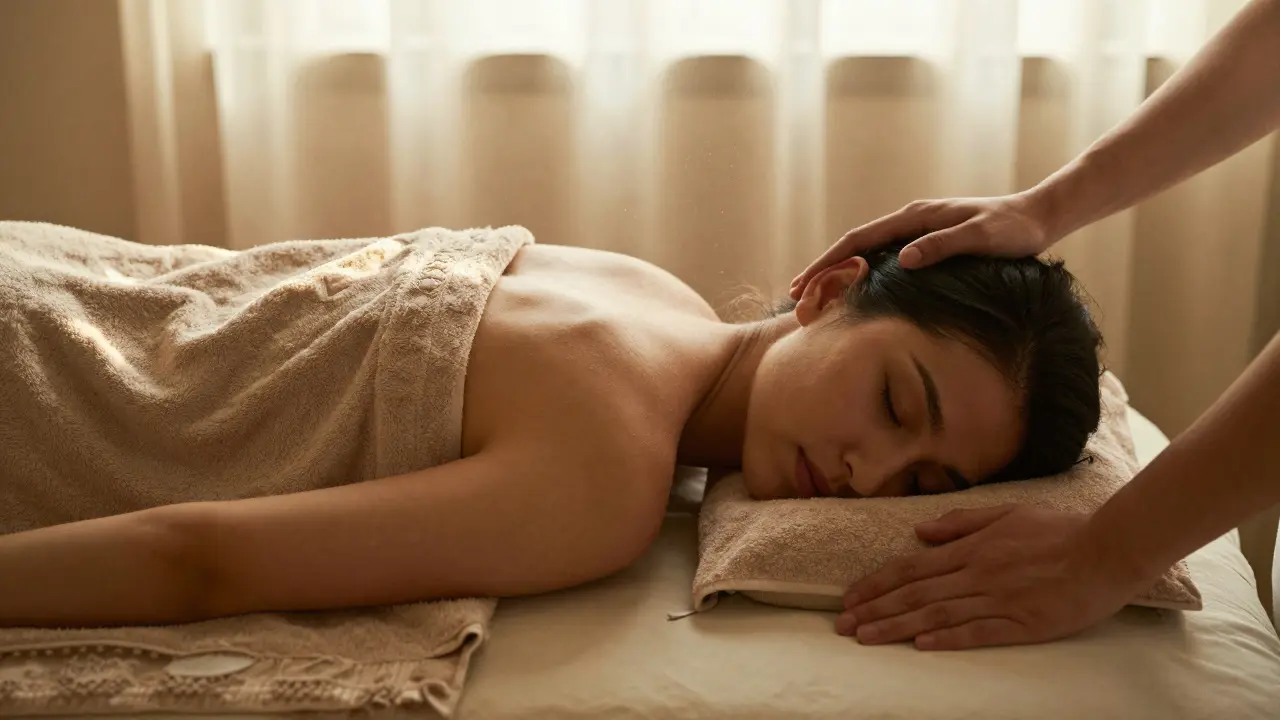
- A person lying face down on a massage table, covered with a soft towel, eyes closed, peaceful expression.
- A close-up of hands applying warm oil to a back, with natural light filtering through sheer curtains.
- A couple sitting quietly after a session, sipping herbal tea, smiling gently at each other.
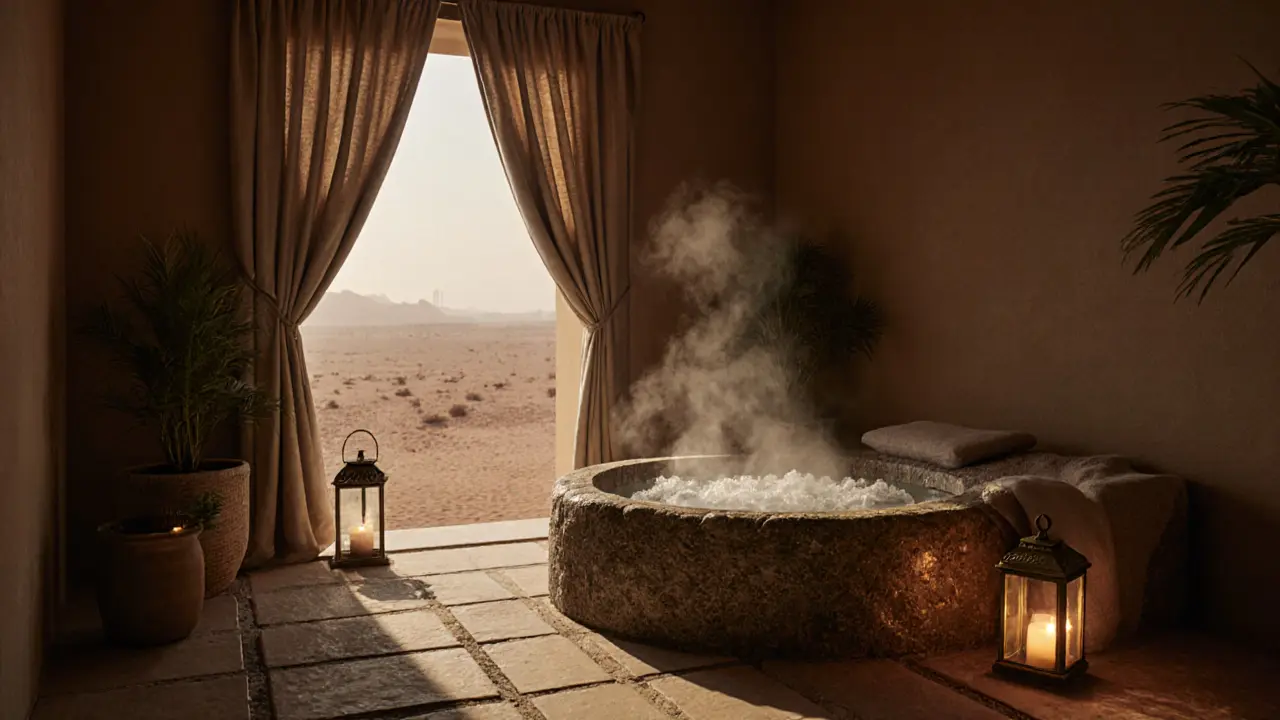
- A serene outdoor spa garden in Dubai with palm trees, water features, and candles.
Suggested Tables
- Comparison of Massage Types (already included in article)
- Key Benefits of Intimate Massage (already included in article)
- Safety Practices in Intimate Massage (already included in article)

Rayna Hawley
December 2, 2025 AT 19:37Let me just say-this article is dangerously misleading. Intimacy in massage? That’s not a thing. It’s either therapeutic touch or it’s a front for something else. You can’t sanitize the word 'sensual' and expect people not to think about sex. The whole premise feels like a marketing ploy to attract clients who don’t know the difference between a spa and a brothel.
And don’t get me started on the 'emotional release' nonsense. People cry because they’re overwhelmed, not because some stranger rubbed their back with lavender oil. This isn’t therapy. It’s performance art for the anxious middle class.
William Sogus
December 4, 2025 AT 06:58Okay but what if this is just a cover for human trafficking? I’ve seen the reports-Dubai’s 'luxury wellness centers' are fronts for sex rings disguised as 'mindful touch.' They train girls to say 'I feel safe' while they’re being exploited. This article reads like a recruitment brochure. Why no mention of background checks? Why no mention of worker visas? Why is every testimonial from some anonymous 'expat' with zero verifiable details?
And the oil? Rose and amber? That’s not cultural-it’s exoticization. You’re selling trauma as a spa package. I’m reporting this to the FBI.
Also, who wrote this? Is the author even licensed? No credentials listed. Red flag. Big red flag.
Jessica Horcher
December 6, 2025 AT 06:07As someone who’s trained in somatic therapy and worked in Dubai for 7 years, I can confirm: this article nails it. The distinction between sensual and erotic is crystal clear in professional circles. The key is consent, boundaries, and training-not the name.
What’s happening here is a reclamation of touch as healing, not sexual. In cultures where physical affection is stigmatized, this isn’t luxury-it’s medicine. I’ve seen veterans, survivors, and lonely elders cry during sessions because for the first time, someone touched them without agenda.
And yes, the oils? That’s Ayurvedic tradition. Not exoticism. Respect matters.
Kayla Hochard
December 6, 2025 AT 06:55Oh my god. We’re really doing this? In America, we have actual therapists for trauma. Not some oil-slathering cult where people sob over a massage table like it’s a TED Talk. This is what happens when you let influencers replace science.
Next they’ll sell 'emotional oxygen' and 'spiritual foot rubs.' I swear, if I see one more post about 'oxytocin magic' from a yoga mom with a $200 candle collection, I’m moving to Mars.
And Dubai? Seriously? You think their idea of 'respectful touch' isn’t just a loophole for rich foreigners to get away with stuff they’d never do at home? Wake up.
Also-this article is 1,742 words. That’s a textbook chapter, not a blog. Who has time for this?
George Christopher Ray
December 6, 2025 AT 21:32While I appreciate the intention behind this piece, I must point out the profound ethical vulnerability embedded in the language of 'emotional safety' and 'non-sexual intimacy.' The very framing of touch as 'healing' without clinical oversight invites exploitation. The nervous system is not a spa aesthetic.
Moreover, the absence of any mention of liability insurance, therapist licensure verification, or mandatory psychological screening for practitioners is negligent. This is not wellness-it is a regulatory blind spot dressed in lavender-scented linen.
And the suggestion that this is 'complementary to therapy'? That is dangerously inaccurate. Only licensed clinicians may legally invoke therapeutic outcomes. This article is not just misleading-it is legally precarious.
Rich Beatty
December 7, 2025 AT 12:02Hey, I’ve tried this before-actually, twice. First time I was skeptical as hell, second time I cried so hard I had to ask for tissues. Didn’t feel weird. Didn’t feel sexy. Felt… held.
It’s not magic. It’s just someone paying attention. No phone, no noise, no judgment. Just hands moving slow enough for your body to catch up.
If you’re nervous? Go alone. Don’t overthink it. Don’t expect to feel something. Just lie there. Let your shoulders drop. That’s all.
And if it doesn’t click? Cool. No shame. But don’t knock it till you’ve tried it. You might be surprised.
Cody Deitz
December 8, 2025 AT 06:14This is fascinating from a neuroanthropological perspective. The historical roots of touch as ritual healing are documented across 12+ cultures, from Ayurveda to Polynesian lomilomi. The modern Western spa industry stripped away the spiritual context, but the physiological response-cortisol reduction, oxytocin release-is consistent across all traditions.
What’s interesting is how this practice bypasses verbal cognition entirely. The body doesn’t need to understand the intention-it just responds to rhythm, warmth, and consistency. That’s why it works for trauma survivors who can’t articulate their pain.
Also, the Dubai context is key. In cultures where public affection is restricted, private touch becomes a quiet act of resistance. Not erotic. Not romantic. Just human.
Ronnie Chuang
December 9, 2025 AT 02:24Wait so you’re telling me this isn’t just a fancy way to get your nuts rubbed? Because I’ve seen the videos. The 'slow strokes' are always on the lower back. Always. And the 'warm oil'? That’s the same oil they use in those 'sensual relaxation' ads on TikTok.
And why is everyone in Dubai? Coincidence? Or is this just a loophole for rich guys to get away with stuff? I’m not saying it’s illegal-but I’m saying it’s suspicious.
Also, 'no nudity beyond what you’re comfortable with'? That’s what they all say. Until they’re not.
And who the hell writes 1700 words about this? Someone’s getting paid.