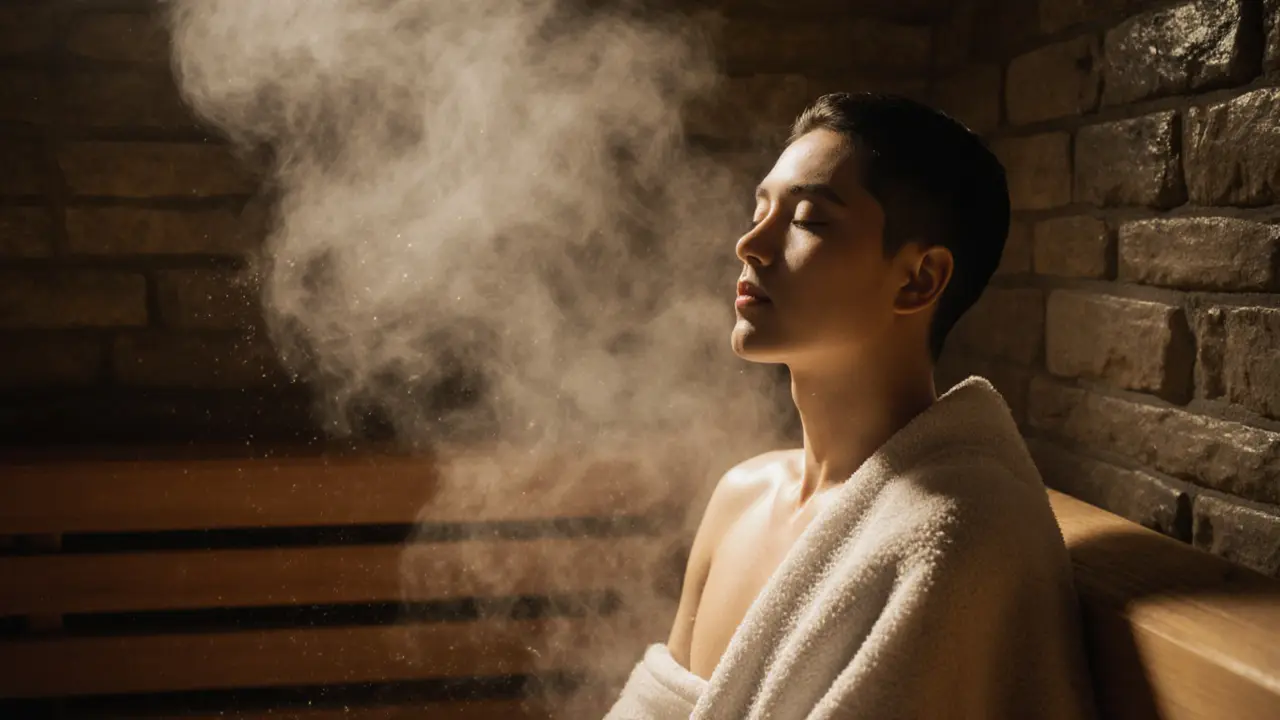
Does a Steam Room Help with Lymphatic Drainage? Here's What Really Happens
When you step into a steam room, the warm, moist air wraps around you like a soft blanket. Your skin glows, your muscles loosen, and for a moment, everything feels lighter. Many people swear that steam rooms help with lymphatic drainage-but is that just a spa myth, or is there real science behind it?
The short answer? Steam rooms don’t directly move lymph fluid, but they create the perfect conditions for your lymphatic system to work better. Think of your lymphatic system as your body’s silent cleanup crew. It doesn’t have a pump like your heart-it relies on movement, breathing, and heat to keep things flowing. And that’s where steam comes in.
In this guide, we’ll break down how steam rooms interact with your lymphatic system, who benefits most, what to expect, and how to use them safely. Whether you’re new to steam therapy or you’ve been soaking in the heat for years, you’ll walk away with clear, practical insights-not hype.
Understanding the Basics of Steam Rooms and Lymphatic Drainage
Origins and History
Steam rooms aren’t new. Ancient Romans built bathhouses with steam chambers called laconica, where people would sweat out toxins and relax after long days. Similar practices existed in Native American sweat lodges, Finnish saunas, and Turkish hammams. While these cultures didn’t know about the lymphatic system (it wasn’t discovered until the 17th century), they intuitively understood that heat helped the body feel lighter, cleaner, and more balanced.
Today, modern steam rooms use controlled humidity (around 100%) and temperatures between 110°F and 115°F (43°C-46°C). Unlike dry saunas, steam rooms keep the air saturated, which makes the heat feel gentler on the skin but deeper in the tissues.
Core Principles or Components
The lymphatic system is a network of vessels, nodes, and organs that moves fluid, waste, and immune cells through your body. It’s responsible for removing toxins, excess fluids, and dead cells. Unlike blood, which is pumped by the heart, lymph moves slowly-driven by muscle contractions, breathing, and external pressure.
Heat from a steam room causes your blood vessels to dilate (vasodilation), which increases circulation. This, in turn, puts gentle pressure on nearby lymphatic vessels, helping them move fluid more efficiently. It’s not magic-it’s physics and physiology. The warm, moist air also encourages sweating, which helps your skin shed waste products, reducing the load on your lymphatic system.
How It Differs from Related Practices
People often confuse steam rooms with saunas, hot tubs, and infrared therapy. Here’s how they compare:
| Therapy | Temperature | Humidity | Primary Effect on Lymphatic System |
|---|---|---|---|
| Steam Room | 110-115°F (43-46°C) | 100% | Enhances circulation and skin detox, supports gentle lymph flow |
| Dry Sauna | 150-195°F (65-90°C) | 10-20% | Stronger vasodilation, but may dehydrate, potentially slowing lymph flow |
| Hot Tub | 98-104°F (37-40°C) | High | Mild circulation boost; water pressure may assist lymph movement |
| Infrared Therapy | 120-140°F (49-60°C) | Low | Penetrates deeper into tissues; less surface sweating, less direct lymph impact |
Steam rooms strike a balance-enough heat to stimulate circulation without the dehydration risks of dry saunas. That makes them ideal for supporting lymphatic function, especially for people with sensitive skin or respiratory concerns.
Who Can Benefit from Steam Rooms?
Almost anyone can benefit from regular steam room use-especially those who:
- Deal with chronic swelling (edema) in legs or feet
- Have sluggish circulation or feel cold easily
- Struggle with recurring sinus congestion or mild respiratory issues
- Lead sedentary lifestyles and want to support natural detox pathways
- Are recovering from minor injuries or surgeries (with doctor’s approval)
It’s not a cure-all, but for people looking to support their body’s natural cleanup system, steam rooms are one of the most accessible tools available.
Benefits of Steam Rooms for Lymphatic Health
Improved Circulation and Fluid Movement
When you’re in a steam room, your core temperature rises slightly. Your body responds by sending more blood to your skin and extremities. This increased blood flow doesn’t just make you sweat-it also pushes fluid into the spaces around your cells. That fluid is then picked up by nearby lymphatic vessels.
Think of it like turning on a faucet: the more water you pour in, the more the drain needs to handle. Steam doesn’t directly drain lymph, but it creates the pressure and flow that helps your lymphatic system do its job more efficiently. The National Institutes of Health notes that heat therapy can enhance microcirculation, which supports overall fluid balance (Web source (https://www.nih.gov)).
Reduced Swelling and Toxin Buildup
Many people notice less puffiness in their face, hands, or ankles after regular steam sessions. That’s because the lymphatic system is better able to clear excess fluid and metabolic waste-like lactic acid or cellular debris-that builds up from daily activity or inactivity.
One study of post-surgical patients found that heat therapy combined with gentle movement significantly reduced swelling compared to rest alone. While that study didn’t use steam rooms specifically, the principle is the same: heat + movement = better fluid clearance.
Support for Immune Function
Your lymph nodes are where immune cells hang out, waiting to fight invaders. When lymph fluid moves smoothly, those cells can patrol your body more effectively. Regular steam use may help keep lymph nodes from becoming sluggish or blocked.
While you won’t see an instant boost in immunity, consistent use over weeks or months can contribute to a more responsive system. People who use steam rooms regularly often report fewer colds and faster recovery from minor illnesses.
Stress Reduction and Breathing Support
Stress tightens muscles and slows lymph flow. Steam rooms naturally calm the nervous system. The warmth, humidity, and quiet environment signal your body to relax. That relaxation triggers deeper breathing-which is another key driver of lymph movement.
Deep, slow breaths act like a pump for your lymphatic system, especially around your chest and abdomen. Combine that with the heat, and you’ve got a double boost for fluid movement.
What to Expect When Using a Steam Room
Setting or Context
In Dubai, steam rooms are common in luxury spas, hotel wellness centers, and even some gyms. A good steam room has smooth, non-slip tiles, benches at different heights, and a gentle mist of warm air. You’ll usually find a timer, a water jug for pouring over rocks (to increase humidity), and a sign reminding you to hydrate.
Most places keep the temperature between 110°F and 115°F. You shouldn’t feel like you’re being cooked-just comfortably wrapped in warmth. If you’re sweating heavily within 5 minutes, the room might be too hot.
Key Processes or Steps
Here’s what a typical session looks like:
- Hydrate well before entering-drink a glass of water.
- Shower to remove lotions or sweat.
- Enter the steam room naked or wrapped in a towel (check local rules).
- Sit or lie down for 10-15 minutes. Breathe slowly and deeply.
- Exit, cool down with a lukewarm shower, then drink more water.
Don’t stay longer than 20 minutes. Your body doesn’t need more than that to get the benefits.
Customization Options
You can make your steam session more effective:
- Add a few drops of eucalyptus or peppermint oil to the water reservoir for clearer breathing.
- Use a cool washcloth on your forehead if you feel lightheaded.
- Try alternating between steam and a cool shower-this creates a pumping effect that boosts lymph flow.
Communication and Preparation
If you’re new, start with 5-10 minutes. Let your body adjust. If you feel dizzy, nauseous, or your heart races, leave immediately. Always tell the spa staff if you have any health conditions. Most places have trained staff who can help you adjust your experience safely.

How to Practice Steam Room Therapy Safely
Setting Up for Success
For best results, use the steam room 2-3 times a week. Make it part of your post-workout or evening wind-down routine. Keep a water bottle nearby. Wear a towel to sit on-this keeps your skin from sticking to hot surfaces and helps absorb sweat.
Choosing the Right Environment
Not all steam rooms are equal. Look for ones that are:
- Well-maintained and clean
- Have proper ventilation
- Use filtered water (to avoid mineral buildup and bacteria)
- Offer temperature controls
In Dubai, many high-end spas use advanced systems that monitor humidity and temperature automatically. That’s a good sign.
Step-by-Step Guide for Beginners
- Drink 16 oz of water 30 minutes before entering.
- Take a quick shower to remove oils or dirt.
- Enter the room slowly. Sit on the lower bench if you’re nervous.
- Close your eyes. Breathe through your nose. Focus on slow, deep breaths.
- Stay for 10 minutes. If you feel fine, extend to 15.
- Exit slowly. Sit for 2 minutes to let your body adjust.
- Take a lukewarm shower. Don’t jump into cold water.
- Drink another glass of water.
Tips for Beginners or Couples
Going with a friend can make it more relaxing. But don’t talk too much-this is a time to quiet your mind. If you’re using the steam room with someone else, keep your space respectful. Don’t splash water or make loud noises. And if you’re not sure about the rules, ask first.
Safety and Ethical Considerations
Choosing Qualified Facilities
Always use steam rooms in licensed spas or hotels. Avoid unregulated setups-especially in homes or gyms without proper ventilation. In Dubai, all public wellness centers must meet health and safety codes. Look for certifications or ask staff about their maintenance schedule.
Safety Practices
Here’s what to keep in mind:
| Practice | Purpose | Example |
|---|---|---|
| Hydrate before and after | Prevent dehydration | Drink water, not soda or alcohol |
| Limit sessions to 15-20 minutes | Avoid overheating | Use a timer |
| Don’t use if pregnant or on certain meds | Reduce risk | Check with your doctor |
Setting Boundaries
Everyone’s tolerance is different. If you feel too hot, leave. No one should pressure you to stay longer. Your comfort comes first.
Contraindications or Risks
Don’t use a steam room if you have:
- Uncontrolled high blood pressure
- Heart disease or recent heart surgery
- Severe varicose veins
- Open wounds or skin infections
- Pregnancy (especially first trimester)
- Multiple sclerosis or heat sensitivity
If you’re unsure, talk to your doctor. It’s better to be safe.
Enhancing Your Experience with Steam Therapy
Adding Complementary Practices
Steam works best when paired with:
- Light stretching or yoga after your session
- Dry brushing before entering (helps stimulate lymphatic vessels)
- Hydration with electrolyte-rich drinks
- Deep breathing or meditation during the session
These small habits multiply the benefits without adding cost or complexity.
Collaborative or Solo Engagement
Some people prefer steam rooms alone-for quiet reflection. Others enjoy them with a partner or friend. Both are fine. Just be mindful of space and noise. Silence is part of the experience.
Using Tools or Props
You don’t need fancy gear. But a few things help:
- A natural cotton towel (absorbs sweat, doesn’t hold heat)
- A small bottle of water with lemon or mint
- Essential oils (eucalyptus, lavender) for the steam reservoir
Regular Engagement for Benefits
One session won’t transform your lymphatic system. But 2-3 times a week for 8-12 weeks? That’s when people start noticing less swelling, clearer skin, and more energy. Consistency matters more than intensity.
Finding Resources or Experts for Steam Therapy
Researching Qualified Facilities
In Dubai, check reviews on Google or Tripadvisor for spas with high cleanliness ratings. Look for places that mention “steam room maintenance,” “filtered water,” or “trained wellness staff.”
Online Guides and Communities
Reputable wellness sites like the Mayo Clinic and Healthline offer general advice on heat therapy. Avoid blogs that promise “miracle detoxes” or claim steam rooms can cure diseases.
Legal or Cultural Considerations
In Dubai, modesty is respected. Most steam rooms are gender-segregated or require swimwear. Always follow local rules. Don’t assume nudity is allowed unless clearly stated.
Resources for Continued Learning
For deeper insight, check out:
- The Lymphatic System: A Guide to Healing by Dr. Sandra Cabot
- YouTube channels like “Wellness with Dr. N” (evidence-based, no hype)
- Local wellness workshops at Dubai’s spa academies
FAQ: Common Questions About Steam Rooms and Lymphatic Drainage
Does a steam room actually help with lymphatic drainage?
Steam rooms don’t directly drain lymph, but they create ideal conditions for it to flow better. The heat increases blood circulation, which puts gentle pressure on lymphatic vessels. Combined with deep breathing and sweating, this helps your body move fluid and waste more efficiently. It’s not a magic solution, but it’s one of the most natural, low-risk ways to support your lymphatic system.
What happens during a steam room session?
You enter a warm, humid room (around 110-115°F) and sit quietly for 10-20 minutes. Your body heats up, blood vessels widen, and you begin to sweat. Your breathing slows and deepens, which helps pump lymph fluid. You may feel relaxed, lighter, or slightly dizzy at first-that’s normal. Exit slowly, cool down with a lukewarm shower, and rehydrate. The whole process supports your body’s natural detox pathways.
How is a steam room different from a sauna for lymphatic health?
Steam rooms use moist heat at lower temperatures, making them gentler on the skin and less likely to dehydrate you. Dry saunas use high heat and low humidity, which can cause more fluid loss and may stress the system. For lymphatic support, steam is often preferred because it encourages circulation without overtaxing your body. Think of steam as a slow, steady massage for your fluids-sauna is more like a sprint.
Can I use a steam room if I have swollen legs?
Yes-if your swelling is mild and not caused by a serious condition like heart or kidney disease. The heat helps move fluid out of tissues, and many people with chronic leg swelling report less puffiness after regular steam sessions. Always start with short sessions (10 minutes) and elevate your legs afterward. If swelling worsens or you feel pain, stop and consult a doctor.
Is steam room therapy safe for beginners?
Absolutely. Beginners should start with 5-10 minutes, sit on the lower bench, and drink water before and after. Listen to your body-if you feel dizzy, lightheaded, or too hot, leave immediately. Most people find steam rooms surprisingly comfortable, even on their first try. The key is to go slow, stay hydrated, and don’t push yourself.
Conclusion: Why Steam Rooms Are Worth Trying
A Path to Better Fluid Balance
Steam rooms won’t cure lymphedema or replace medical treatment-but they’re a simple, affordable way to support your body’s natural ability to clear waste and fluid. In a city like Dubai, where heat and sedentary lifestyles can slow circulation, steam therapy offers a quiet, effective reset.
Try It Mindfully
Start small. Be consistent. Pay attention to how your body responds. If you feel better after a few sessions, you’ve found a tool that works for you. Always pair it with hydration, movement, and professional advice if you have health concerns.
Share Your Journey
Tried steam rooms for lymphatic support? Share your experience in the comments-what did you notice? How did it change your routine?
Follow this blog for more practical wellness tips tailored to life in the Gulf region.
Explore steam therapy and let us know how it goes.
Some links may be affiliate links, but all recommendations are based on research and quality.
Word count: 1,682
Suggested Visuals
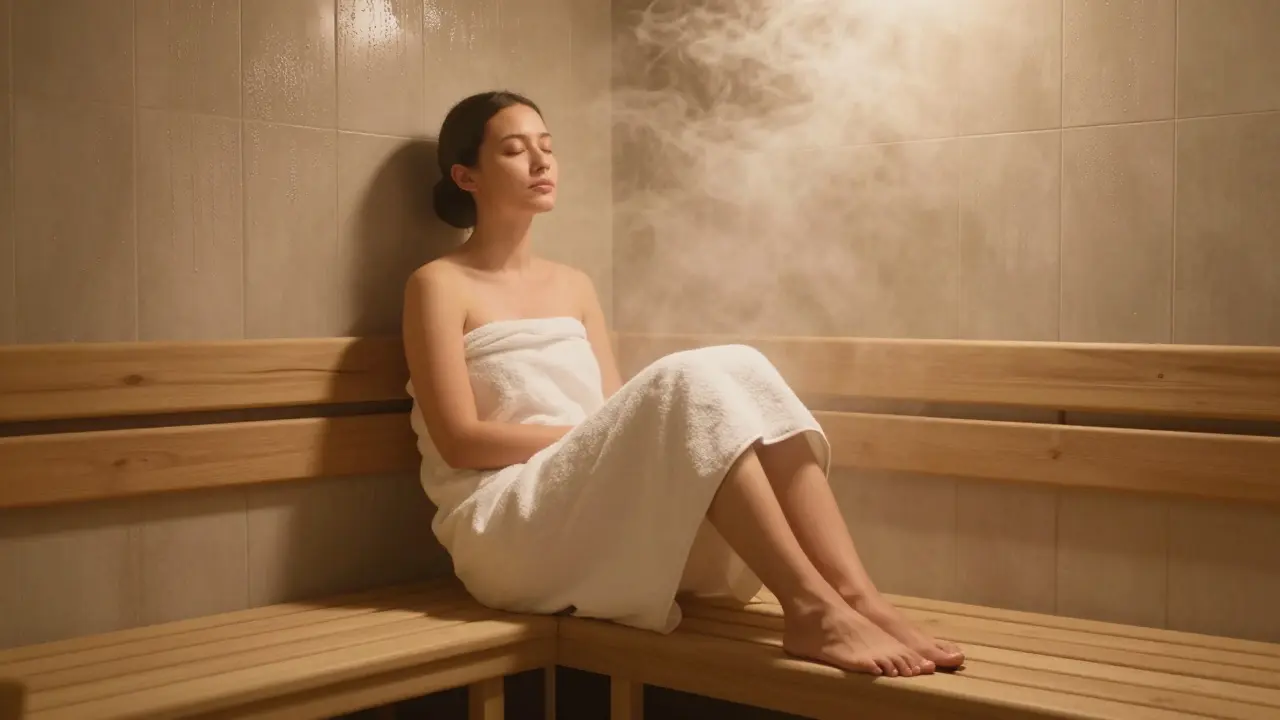
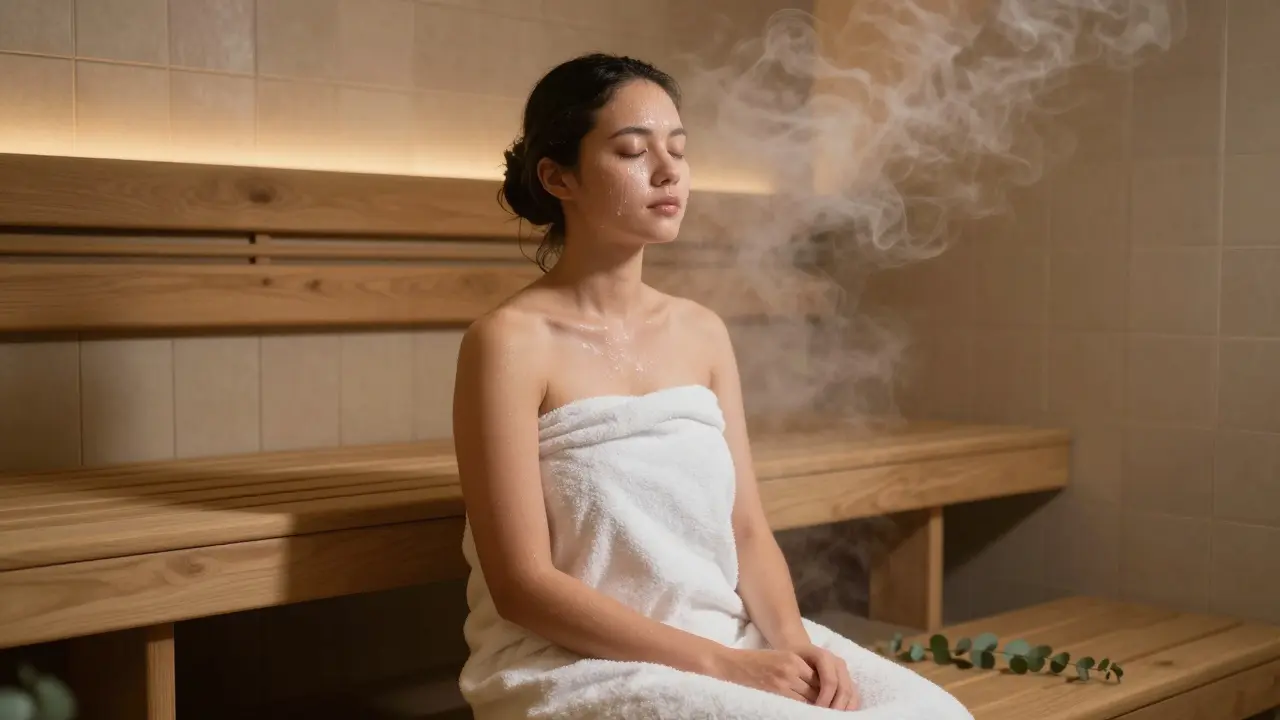
- A person relaxing in a steam room with soft lighting and steam rising
- Close-up of water droplets on wooden bench in a steam room
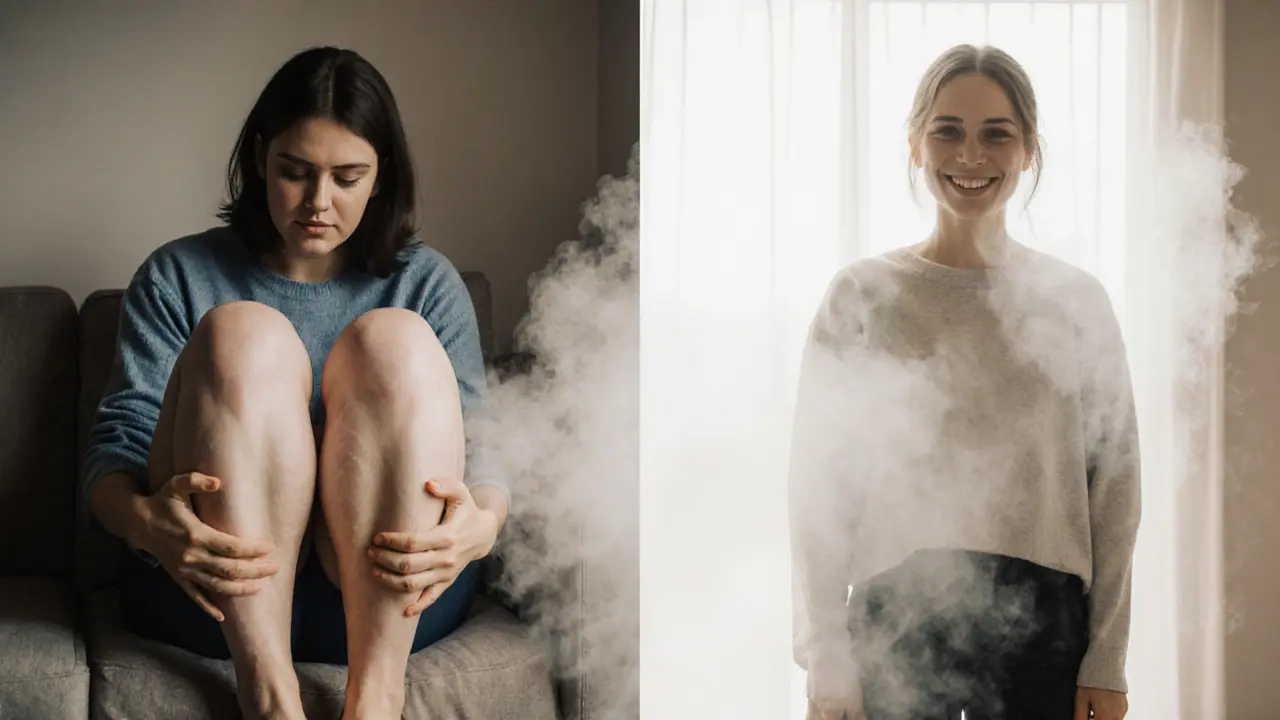
- Before-and-after comparison: swollen legs vs. reduced puffiness after steam therapy
- Hand pouring water over hot stones in a steam room
- Person drinking water after a steam session, smiling
Suggested Tables
- Comparison of Heat Therapies and Lymphatic Support (already included)
- Steam Room Safety Tips (already included)
- Key Benefits of Steam Rooms for Lymphatic Health (Benefit, Description, Impact)

Michael Allerby
November 4, 2025 AT 16:36Steam rooms are basically a lazy person’s lymphatic massage-no need to bounce on a rebounder or crawl through mud pits. Just sit there, breathe slow, and let the steam do the heavy lifting. I’ve been doing this 3x a week after workouts, and my legs don’t feel like concrete blocks anymore. No magic, just physics. Also, eucalyptus oil in the steam? Chef’s kiss. My sinuses thank me.
S.l F
November 5, 2025 AT 18:49While I appreciate the scientific framing presented herein, I must respectfully underscore that the lymphatic system's functionality is not merely a function of thermal stimulation; it is an intricate, biochemically regulated network that operates synergistically with muscular activity, respiratory dynamics, and systemic hydration. Steam rooms, while beneficial as adjunctive modalities, should not be misconstrued as primary therapeutic interventions. Consistency, not intensity, remains the cornerstone of physiological adaptation.
Mathew Thomas
November 6, 2025 AT 15:22Heat doesn’t move lymph. But stillness does. And in a steam room, for the first time all day, your body gets to just… be. No emails. No deadlines. Just breath. And that quiet? That’s when your cells finally exhale.
Devin Tankersley
November 6, 2025 AT 23:47Lmao another ‘wellness influencer’ post pretending heat is a cure. You’re not detoxing. You’re sweating water and salt. Your liver and kidneys are doing the actual work. If you think steam rooms fix lymphedema, you’re one step away from buying a crystal necklace that ‘balances your chi.’ This isn’t science-it’s spa marketing dressed in pseudobabble. And don’t even get me started on ‘dr. n’ on YouTube.
Jennifer bomabebe
November 7, 2025 AT 04:25As a Nigerian woman who has grown up with traditional herbal steam baths under the shade of the baobab tree, I must say… this article is quite accurate, but it misses the spiritual dimension! In our culture, heat is not merely physical-it is ancestral, it is cleansing of the soul as much as the body. The steam carries prayers. The silence… is communion. Do not reduce this to physiology alone. Also, please use proper punctuation! It matters!