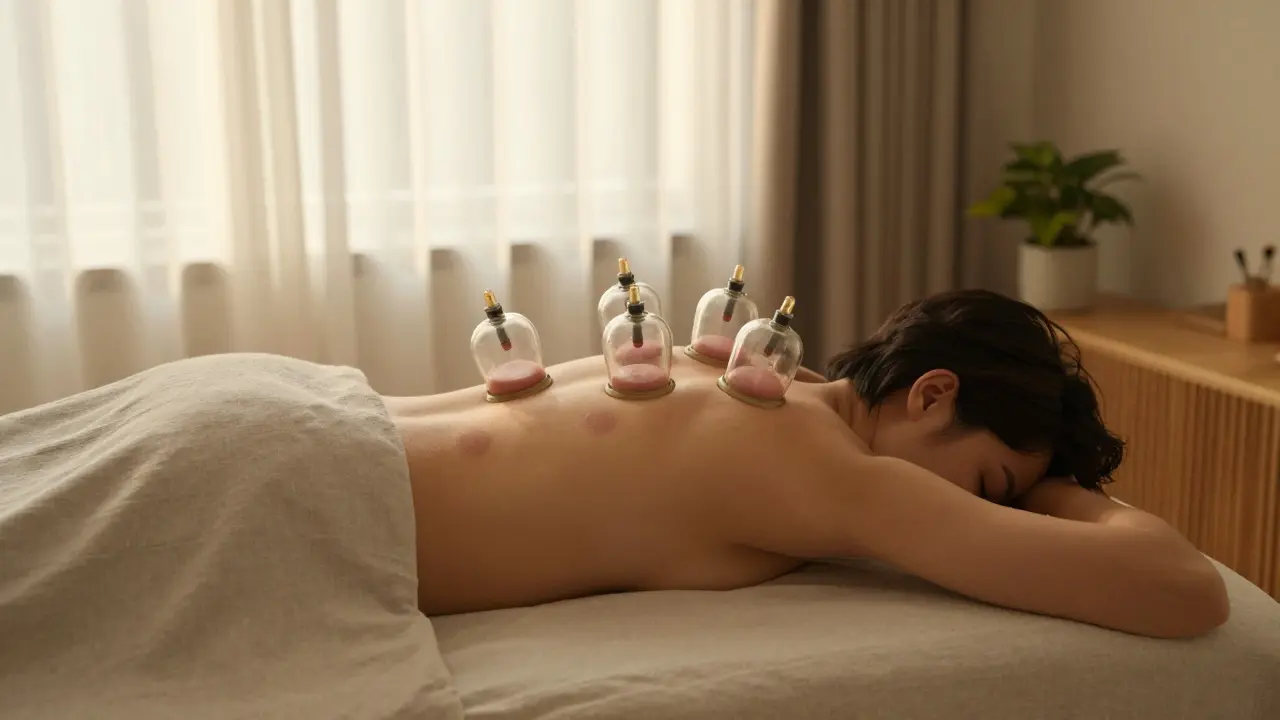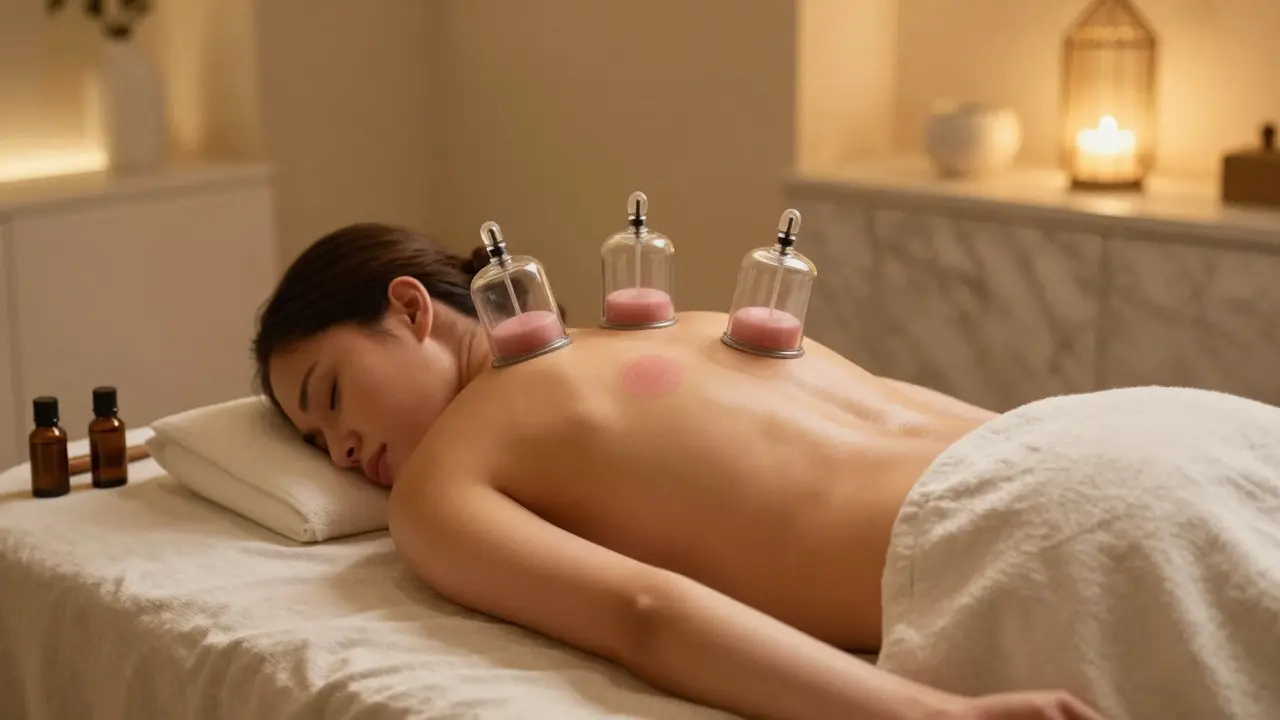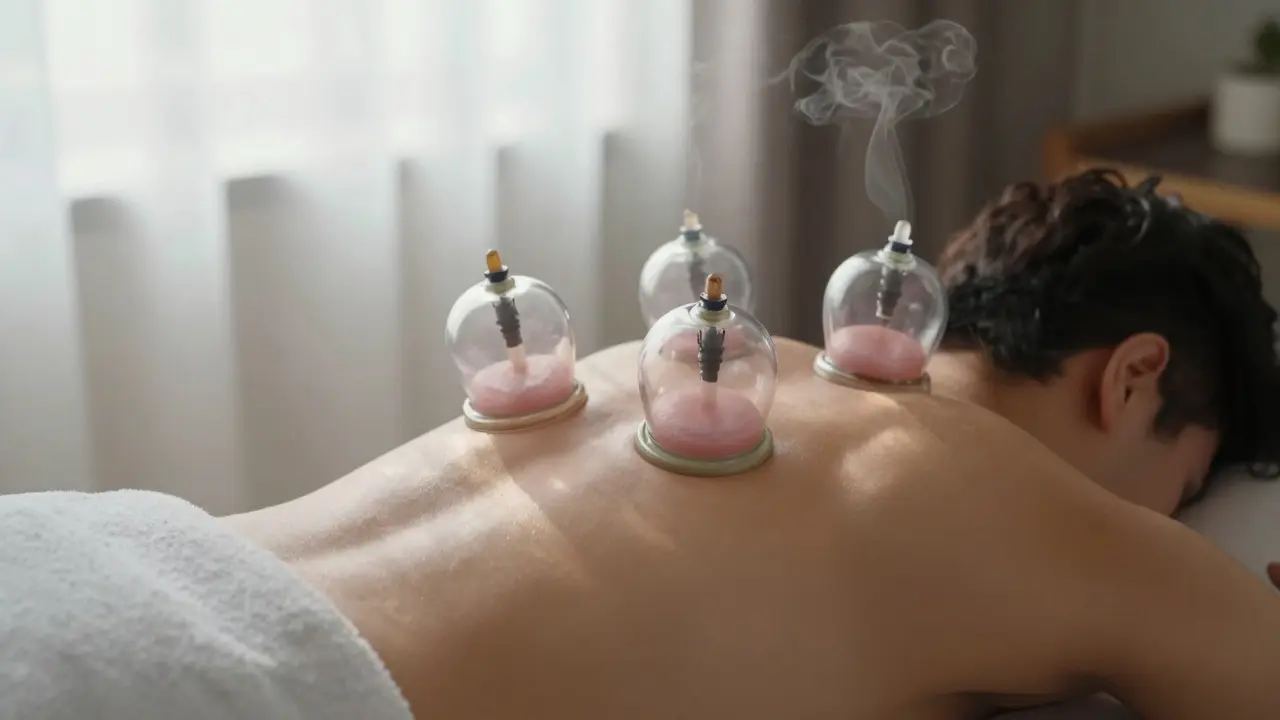
Does cupping loosen tight muscles? Yes-but not in the way you might think. Cupping therapy doesn’t magically stretch or pull your muscles apart like a human-sized rubber band. Instead, it creates a gentle suction that encourages blood flow, eases tension, and signals your nervous system to relax. If you’ve ever felt like your shoulders are locked in a vice, or your lower back is stuck in concrete, cupping might offer relief. But it’s not a miracle cure. It’s a tool-one with centuries of history and growing scientific interest.
Understanding the Basics of Cupping Therapy
Origins and History
Cupping isn’t new. Ancient Egyptians, Greeks, and Chinese all used some form of cupping over 3,000 years ago. In traditional Chinese medicine, it was tied to balancing qi-the body’s energy flow. The cups, originally made from bamboo, animal horns, or clay, were heated to create suction and placed on the skin. Over time, glass and silicone cups replaced those early materials. Today, cupping is practiced worldwide, from traditional clinics in Beijing to wellness spas in Dubai. It’s not just folklore; it’s a practice that’s adapted, studied, and still used by athletes, physical therapists, and people seeking natural relief.
Core Principles or Components
Cupping works through mechanical pressure and physiological response. When a cup is placed on the skin and suction is applied, it lifts the skin and underlying tissue slightly. This creates a vacuum effect that increases local circulation. Blood and lymph flow more freely to the area, bringing oxygen and nutrients while helping remove metabolic waste-like lactic acid-that builds up in tight muscles. The sensation is often described as a deep, pulling massage. It doesn’t hurt, but it can feel intense, especially if your muscles are very tense. The cups stay on for 5 to 15 minutes, depending on the goal. There are two main types: dry cupping (just suction) and wet cupping (which includes controlled bloodletting-rarely used today outside traditional settings).
How It Differs from Related Practices
People often confuse cupping with massage, acupuncture, or foam rolling. Here’s how it stacks up:
| Practice | Key Feature | Primary Benefit |
|---|---|---|
| Cupping | Creates suction to lift tissue | Increases blood flow and relaxes fascia |
| Massage | Uses hands to compress and knead | Breaks up adhesions and reduces tension |
| Acupuncture | Inserts fine needles into points | Stimulates nervous system and energy flow |
| Foam Rolling | Applies pressure using a roller | Self-myofascial release |
Cupping is passive-you lie still. Massage and foam rolling require active movement or pressure from you or someone else. Acupuncture targets specific points, while cupping works broadly over areas of tension. They can complement each other, but cupping’s unique value is in its ability to reach deep layers without direct pressure.
Who Can Benefit from Cupping?
Most adults with muscle stiffness, sports injuries, or chronic tension can try cupping. It’s especially popular among runners, weightlifters, office workers with hunched shoulders, and people with lower back pain. If you’ve tried stretching, heat packs, or ibuprofen with little relief, cupping might be worth exploring. It’s not for everyone-people with bleeding disorders, open wounds, or skin conditions like eczema should avoid it. Pregnant women can use it cautiously, but only under professional guidance. The good news? It’s generally safe when done right.
Benefits of Cupping Therapy for Muscle Tension
Reduces Muscle Tightness
Cupping helps loosen tight muscles by improving circulation and breaking up fascial restrictions. Fascia is the connective tissue that wraps around muscles. When it gets stiff from injury, poor posture, or stress, it can feel like your muscles are glued together. Cupping gently pulls this tissue, encouraging it to glide more freely. Many users report feeling lighter and more mobile after a session-like a weight has been lifted off their back or shoulders. It’s not instant, but after a few sessions, the difference becomes noticeable.
Improves Recovery After Exercise
Athletes use cupping to speed up recovery. After intense workouts, muscles accumulate waste products and micro-tears. Cupping increases blood flow to those areas, helping flush out lactic acid and deliver healing nutrients faster. One study from the National Institutes of Health found that athletes who used cupping after training reported reduced soreness and quicker return to performance levels Web source (https://www.nih.gov). It’s not a replacement for rest or nutrition, but it’s a helpful addition.
Calms the Nervous System
Tight muscles often come from stress-not just physical strain. Cupping triggers a parasympathetic response, which is your body’s “rest and digest” mode. That means your heart rate slows, breathing deepens, and tension eases. Many people feel deeply relaxed during and after a session. It’s not just about the muscles-it’s about the whole nervous system hitting the reset button.
Reduces Pain Without Medication
For people looking to avoid painkillers, cupping offers a non-drug option. It doesn’t numb pain like ibuprofen. Instead, it changes how your brain perceives it. Increased blood flow and nerve stimulation can interfere with pain signals. A 2022 review of clinical studies found that cupping significantly reduced chronic pain in participants compared to no treatment Web source (https://www.nih.gov). That doesn’t mean it works for everyone, but for many, it’s a valuable alternative.
| Benefit | Description | Impact |
|---|---|---|
| Increased circulation | Brings oxygen and nutrients to tight areas | Speeds healing and reduces stiffness |
| Fascial release | Lifts and separates connective tissue | Improves mobility and reduces pain |
| Nervous system calming | Triggers relaxation response | Reduces stress-related tension |
| Pain modulation | Interferes with pain signals | Less reliance on medication |
What to Expect When Engaging with Cupping
Setting or Context
A typical cupping session happens in a quiet, warm room-think soft lighting, calming music, and a massage table. You’ll lie on your stomach or back, fully clothed or draped with a towel. The practitioner will apply oil or lotion to help the cups glide. Some places use heat to create suction; others use manual or electric pumps. It’s not a spa treatment with aromatherapy and candles-it’s a therapeutic experience focused on your body’s needs.
Key Processes or Steps
Here’s what usually happens:
- You discuss your pain or tension areas with the practitioner.
- Cups are placed on the skin over tight muscles-common spots include the back, shoulders, neck, or thighs.
- Suction is applied and left for 5-15 minutes. You might feel a mild pulling sensation.
- Cups are removed gently. You may notice circular marks-these are normal and fade in a few days.
- Some practitioners follow up with light massage or stretching.
Customization Options
Cupping isn’t one-size-fits-all. If you’re sensitive, the suction can be light. If you’re an athlete with dense muscle, it can be stronger. Cups can be moved slowly over the skin (called “sliding cupping”) for broader coverage, or left still for deeper focus. Some sessions include heat or electrical stimulation for enhanced effect. Your practitioner should adjust based on your comfort and goals.
Communication and Preparation
Speak up. If it hurts too much, say so. Cupping should feel intense, not painful. Let your practitioner know if you’re on blood thinners, pregnant, or have skin conditions. Drink water before and after-it helps your body flush out what’s released during the session. Avoid heavy meals right before, and don’t shower immediately after-wait at least an hour so your skin can recover.
How to Practice or Apply Cupping
Setting Up for Success
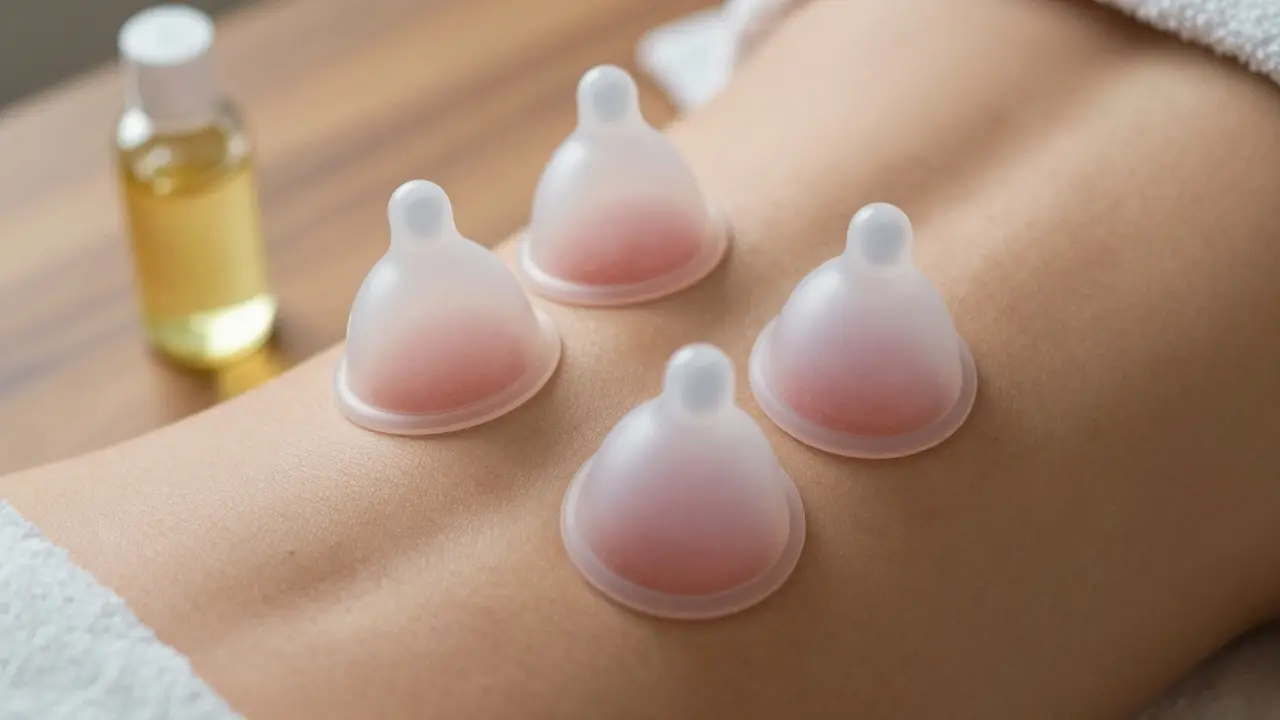
If you’re trying cupping at home with silicone cups, choose a quiet, warm space. Have a towel, massage oil, and a mirror handy. Start with small areas-like your upper back or calves. Never place cups over bony areas, open wounds, or your spine. Always use lubricant to prevent skin tearing. Keep sessions short-5 minutes max-until you know how your body reacts.
Choosing the Right Tools
For beginners, silicone cups are safest. They’re flexible, easy to control, and don’t require heat. Glass cups offer stronger suction but need careful handling. Electric cupping devices are precise but expensive. Avoid cheap plastic cups from unknown brands-they can crack or leak. Look for medical-grade silicone and read reviews from verified users.
Step-by-Step Guide
- Apply a light layer of massage oil to the target area.
- Press the silicone cup firmly against the skin.
- Squeeze the cup to release air and create suction.
- Hold for 5 minutes. Move slowly if doing sliding cupping.
- Release suction by pressing the edge of the cup.
- Repeat on other areas. Don’t exceed 15 minutes total per session.
Tips for Beginners
Start slow. One session a week is enough. Don’t expect instant results-it takes 2-3 sessions to notice real change. The circular marks? They’re not bruises. They’re signs of increased blood flow and will fade in 3-7 days. If they last longer or hurt, you went too deep. Always listen to your body.
Safety and Ethical Considerations
Choosing Qualified Practitioners
Look for licensed massage therapists, acupuncturists, or certified cupping specialists. Ask about their training. Reputable practitioners will have certification from organizations like the American Massage Therapy Association or the National Certification Commission for Acupuncture and Oriental Medicine. Don’t go to someone who offers cupping as a “quick fix” in a mall kiosk.
Safety Practices
Hygiene matters. Cups should be cleaned between uses. Practitioners should wash hands and use fresh towels. Here’s what to watch for:
| Practice | Purpose | Example |
|---|---|---|
| Use clean cups | Prevent infection | Single-use disposable cups or sterilized glass |
| Avoid bony areas | Prevent injury | Don’t place cups on spine or shoulder blades |
| Check skin condition | Prevent irritation | Don’t cup over rashes, burns, or open wounds |
Setting Boundaries
You’re in control. If the suction feels too strong, ask for it to be reduced. If you feel dizzy, nauseous, or cold, speak up. A good practitioner will pause or stop immediately. Consent is non-negotiable. No one should pressure you into a session.
Contraindications or Risks
Cupping isn’t safe for everyone. Avoid it if you have:
- Bleeding disorders or take blood thinners
- Severe skin conditions like psoriasis or eczema
- Pregnancy (especially on the abdomen or lower back)
- Recent surgery or open wounds
- Fever or infection
If you’re unsure, talk to your doctor first. Cupping is low-risk for most-but not risk-free.
Enhancing Your Experience with Cupping
Adding Complementary Practices
Cupping works better with other tools. Try pairing it with heat therapy-like a warm bath or heating pad-before the session. Afterward, gentle stretching or yoga helps maintain mobility. Hydration and rest are key. Some people find that meditation or deep breathing enhances the calming effects. Don’t overdo it-space out sessions by at least 48 hours.
Collaborative or Solo Engagement
Cupping is usually solo, but some couples use it together at home as a bonding ritual. One person applies the cups while the other relaxes. It’s a quiet, tactile way to connect. But don’t try to cup someone else’s back without training-you could cause harm. Stick to your own body unless you’ve learned proper technique.
Using Tools or Props
Massage oil is essential for sliding cupping. A towel helps absorb sweat. A mirror lets you see the marks. For home use, a small hand pump can help control suction. Keep a journal: note where you cupped, how you felt, and how long the marks lasted. Over time, you’ll see patterns.
Regular Engagement for Benefits
Like stretching or foam rolling, cupping works best with consistency. One session might feel good, but real change comes from regular use. Aim for once every 1-2 weeks. Over time, you’ll notice less stiffness, better sleep, and fewer aches. It’s not a magic bullet, but it’s a powerful habit.
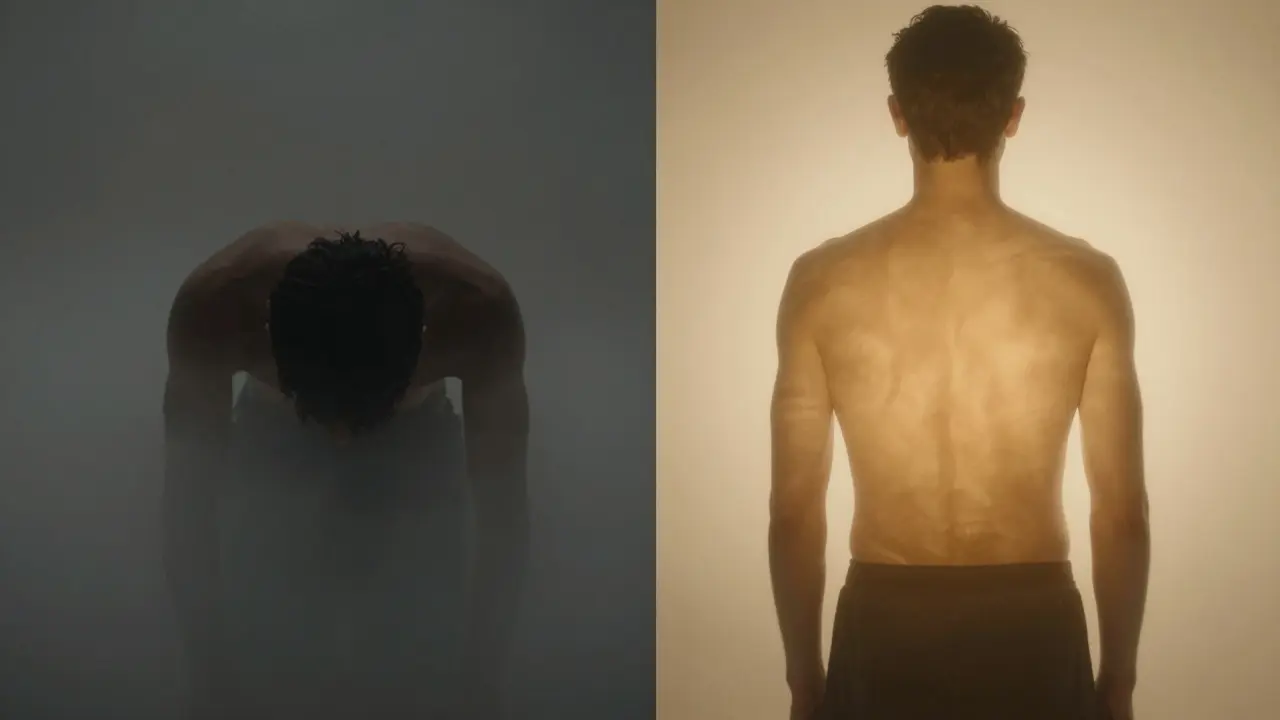
Finding Resources or Experts for Cupping
Researching Qualified Practitioners
Check credentials. Look for licensed massage therapists (LMT) or certified acupuncturists (Dipl. Ac.). Read reviews on Google or Yelp. Ask friends who’ve tried it. Reputable spas list their practitioners’ training. If a place won’t tell you who’s doing the cupping, walk away.
Online Guides and Communities
Reliable sources include the American Massage Therapy Association (AMTA) and the National Institutes of Health. YouTube has good tutorials-but stick to videos from licensed professionals. Avoid TikTok trends that show extreme suction or pain. Real cupping is gentle, not brutal.
Legal or Cultural Considerations
Cupping is legal in most places, but some states require specific licenses for practitioners. In countries like China, it’s deeply rooted in tradition. In the West, it’s often integrated into physical therapy. Respect the origins, but focus on what works for you.
Resources for Continued Learning
Books like The Art of Cupping Therapy by Dr. Wang Hongcai offer deep insight. Online courses from certified schools teach safe technique. Podcasts on holistic health often cover cupping. Stay curious, but stay grounded.
FAQ: Common Questions About Cupping
Does cupping really loosen tight muscles?
Yes, but not by stretching muscles directly. Cupping lifts the skin and fascia, improving blood flow and reducing tension in connective tissue. This allows muscles to relax more naturally. Many people report feeling looser and more mobile after sessions, especially in areas like the shoulders, back, and hips. It’s most effective when combined with movement and hydration.
What happens during a cupping session?
You’ll lie down while the practitioner applies cups to areas of tension. Suction is created using heat or a pump, and the cups stay in place for 5-15 minutes. You’ll feel a pulling sensation, but it shouldn’t hurt. After removal, you may see circular marks-these are temporary and fade in days. Some practitioners follow up with massage or stretching to enhance results.
How is cupping different from massage?
Massage uses pressure to compress muscles, while cupping uses suction to lift tissue. Massage is active and often involves movement; cupping is passive-you just lie still. Cupping targets deeper layers of fascia and can reach areas massage can’t easily access. Many people use both: massage to break up knots, cupping to encourage healing and relaxation.
Is cupping suitable for beginners?
Absolutely. Start with a professional session to learn what feels right. Silicone cups for home use are safe and easy. Begin with short sessions (5 minutes) on less sensitive areas like the calves or upper back. Listen to your body. If it feels too intense, reduce suction. Most beginners find it relaxing and surprisingly gentle.
Do the cupping marks mean I’m damaged?
No. Those circular marks are not bruises-they’re signs of increased blood flow. They happen when small blood vessels near the skin’s surface open up. The color can range from light pink to dark purple, depending on your circulation and tension levels. They fade in 3-7 days and don’t hurt. If they last longer than a week or are painful, consult a professional.
Conclusion: Why Cupping is Worth Exploring
A Path to Easier Movement
If tight muscles are holding you back-whether from sitting all day, working out too hard, or just aging-cupping offers a gentle, non-invasive way to find relief. It’s not about fixing everything. It’s about giving your body a chance to reset, recover, and move better.
Try It Mindfully
Start with one session. Talk to a licensed practitioner. Listen to your body. Don’t expect miracles, but do expect to feel different. Many people say it’s the first thing that truly helped them after years of stretching, heat packs, and painkillers.
Share Your Journey
Tried cupping? Share your experience in the comments. Did it help your tight shoulders? Did the marks surprise you? Your story might help someone else take the first step.
Some links may be affiliate links, but all recommendations are based on research and quality.
Word count: 1,782
Suggested Images
- A person lying on a massage table with glass cups on their upper back, soft lighting.
- Close-up of silicone cupping cups on skin with faint circular marks.
- Side-by-side comparison: one image of tense shoulders, another of the same person smiling after cupping.
- A practitioner gently removing a cup with a calm, focused expression.
- A home setup: silicone cups, massage oil, and a towel on a wooden table.
Suggested Tables
- Comparison of Cupping with Similar Therapies (already included).
- Key Benefits of Cupping for Muscle Relief (already included).
- Cupping Safety Tips (already included).