When you're looking for a Thai massage in Dubai, you're not just paying for a service-you're paying for an experience that blends ancient healing traditions with modern luxury. But how much should you actually expect to pay? Prices can range from AED 80 to over AED 500, and that’s not just about location. It’s about the therapist’s skill, the setting, and what’s included. Let’s cut through the noise and show you exactly what you’re getting for your money.
Understanding the Basics of Thai Massage in Dubai
Origins and History
Thai massage didn’t start in a five-star hotel. It began over 2,500 years ago in Thailand, rooted in Ayurvedic medicine, Buddhist spiritual practices, and traditional Chinese medicine. Monks developed it as a form of healing and meditation, using pressure points, stretching, and energy lines called sen lines. Today, it’s practiced worldwide, but in Dubai, you’ll find it adapted for a fast-paced, luxury-focused culture. The core technique remains the same: no oils, no undressing, just you in loose clothing while the therapist guides your body through a series of yoga-like stretches and rhythmic compressions.
Core Principles or Components
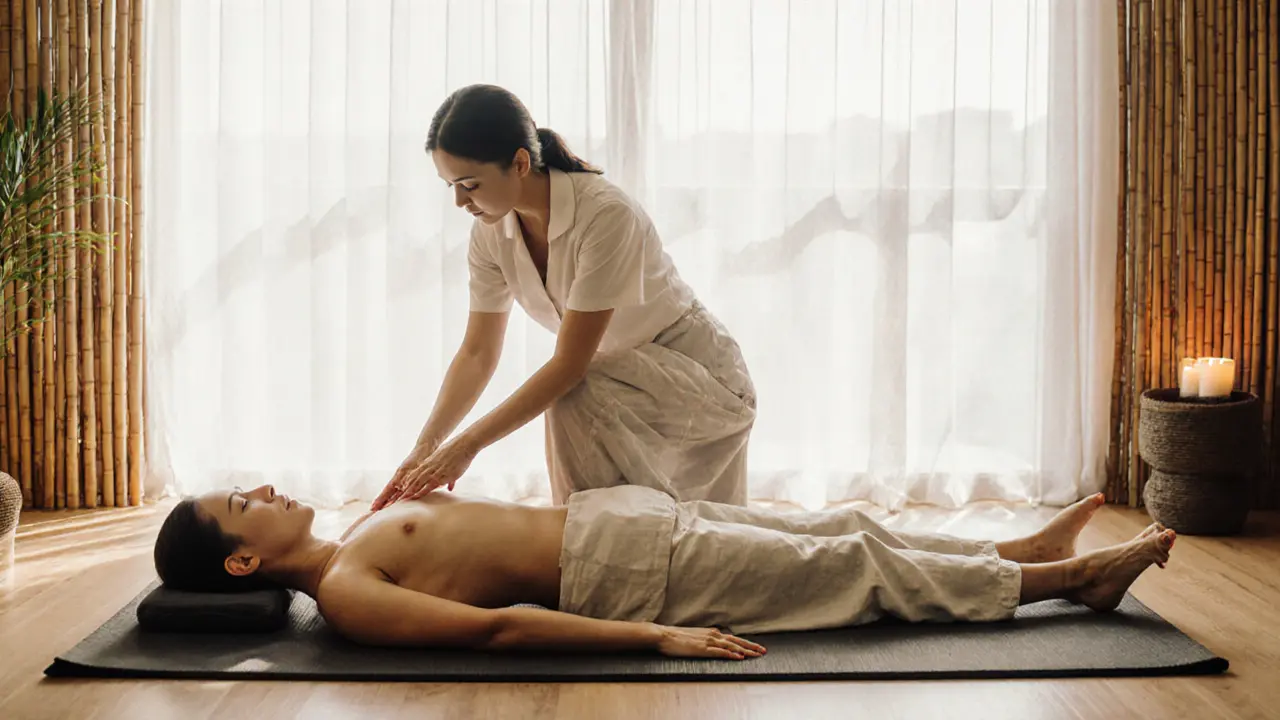
Thai massage is built on four key elements: acupressure, assisted yoga postures, deep stretching, and rhythmic compression. Unlike Swedish massage, which focuses on muscle relaxation with oils, Thai massage works on your entire body’s energy flow. The therapist uses their hands, thumbs, elbows, knees, and even feet to apply pressure along energy lines. You’ll be moved into positions you didn’t know you could do-gentle backbends, leg pulls, shoulder rolls-all done with control and intention. The goal isn’t just to loosen tight muscles; it’s to restore balance to your body’s energy system.
How It Differs from Related Practices
People often confuse Thai massage with Swedish, deep tissue, or aromatherapy massages. Here’s how they stack up:
| Practice | Key Feature | Primary Benefit |
|---|---|---|
| Thai Massage | Full-body stretching, no oils, clothed | Improved flexibility, energy flow |
| Swedish Massage | Light to medium pressure, oils, unclothed | Relaxation, stress relief |
| Deep Tissue | Intense pressure on knots, focused on muscles | Chronic pain relief |
| Aromatherapy | Essential oils, calming scents | Mood enhancement, emotional balance |
Who Can Benefit from Thai Massage?
Almost everyone. If you sit at a desk all day, Thai massage can undo the hunch in your shoulders and tightness in your hips. If you’re an athlete, it helps with recovery and range of motion. Travelers in Dubai often use it to reset after long flights. Even if you’re not in pain, it’s a great way to reconnect with your body. People with mild back pain, sciatica, or stiffness from aging report noticeable relief after just one session. It’s not for those with severe spinal injuries, recent fractures, or active blood clots-but for most, it’s safe and deeply effective.
Benefits of Thai Massage for Your Body and Mind
Stress Reduction
Thai massage doesn’t just relax your muscles-it calms your nervous system. The rhythmic pressure and slow, deliberate movements signal your brain to switch from ‘fight or flight’ to ‘rest and digest.’ This lowers cortisol levels, slows your heart rate, and helps you breathe deeper. Many clients say they feel lighter after a session, as if they’ve shed emotional weight along with physical tension. It’s not magic-it’s physiology. The body responds to steady, grounding touch by releasing endorphins and reducing adrenaline.
Enhanced Flexibility and Mobility
Think of Thai massage as passive yoga. You don’t have to stretch yourself-you let the therapist guide you. Over time, this improves joint mobility, especially in the spine, hips, and hamstrings. One client in Jumeirah, a 45-year-old office worker, told me she went from struggling to tie her shoes to touching her toes after six weekly sessions. That kind of progress isn’t rare. The stretches are held just long enough to release connective tissue without forcing it. It’s gentle but effective.
Emotional Well-Being
There’s a reason Thai massage is called ‘lazy man’s yoga.’ It’s not just physical. The deep, sustained contact creates a sense of safety and presence. Many people cry during or after their session-not from pain, but from release. Emotions tied to stress, grief, or burnout often surface when the body is finally allowed to relax. It’s not therapy, but it can feel like it. In a city like Dubai, where life moves at lightning speed, this slow, intentional care becomes a rare gift.
Practical Applications
Thai massage isn’t just a treat-it’s a tool. Commuters use it to reset after long drives. Fitness enthusiasts schedule it between workouts to prevent injury. Business travelers book it before flights to avoid stiffness. Even people with insomnia find that a session before bed helps them fall asleep faster and sleep more deeply. It’s not a cure-all, but it’s one of the most practical wellness habits you can adopt in a busy city.
| Benefit | Description | Impact |
|---|---|---|
| Stress Relief | Reduces cortisol, activates parasympathetic nervous system | Improved sleep, lower anxiety |
| Improved Posture | Releases tight chest and hip muscles | Less neck and back pain |
| Increased Circulation | Pressure stimulates blood flow | Faster muscle recovery |
| Energy Boost | Unblocks sen energy lines | Reduced fatigue, clearer mind |
What to Expect When Engaging with Thai Massage
Setting or Context
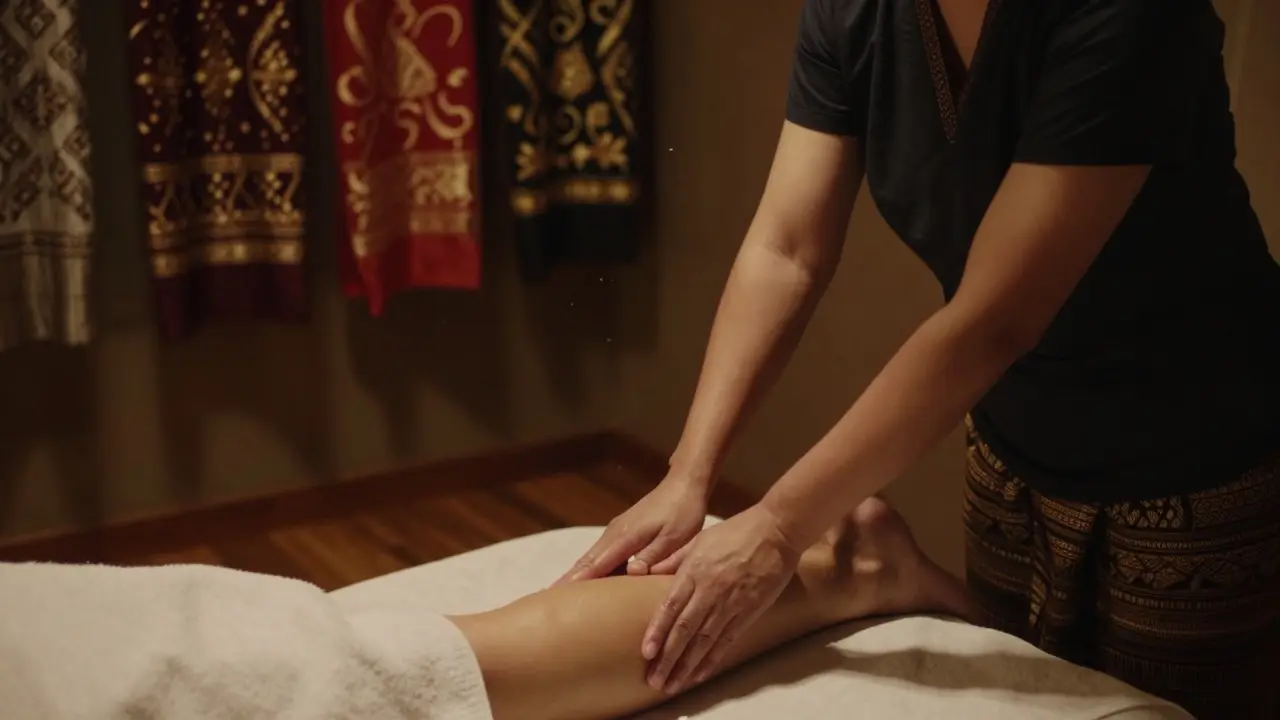
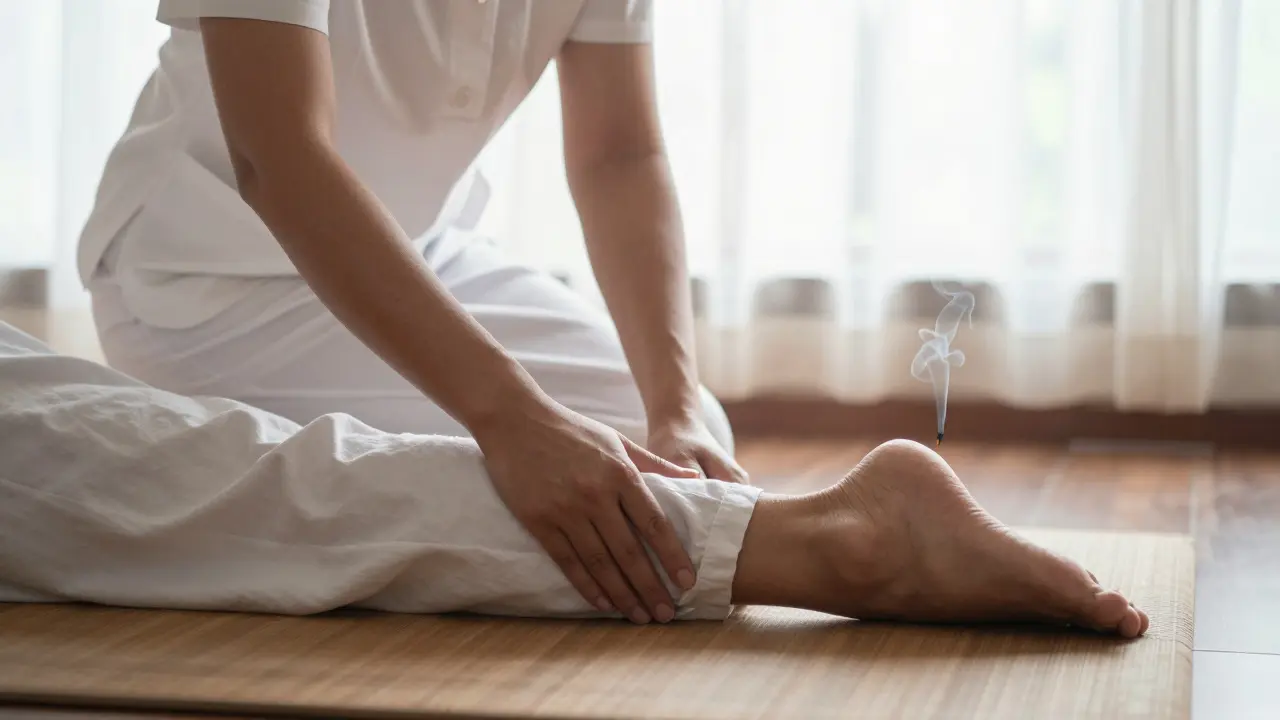
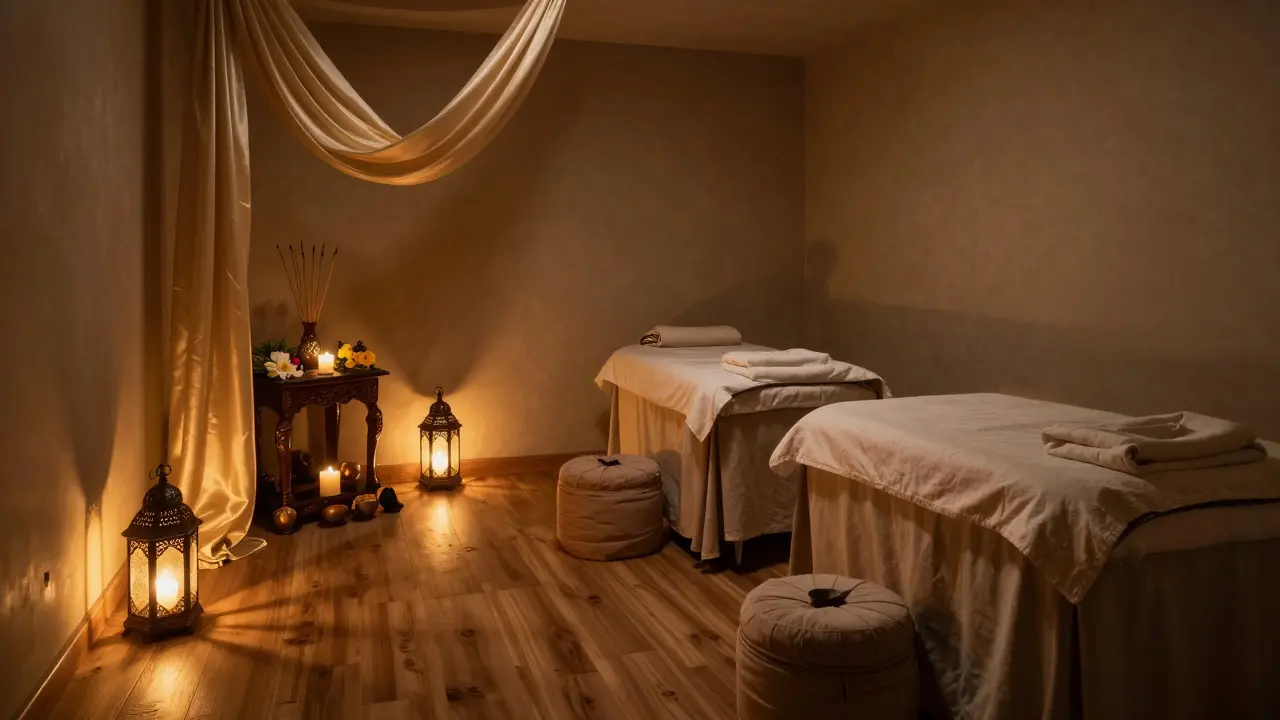
Thai massage in Dubai happens everywhere-from tiny family-run clinics in Deira to opulent spa suites in Burj Al Arab. The setting affects the price, but not necessarily the quality. A quiet room with soft lighting, warm floors, and incense is standard. You’ll be given loose cotton pants and a top to wear. No nudity. No oils. Just you, the table, and the therapist. Some places add herbal compresses or foot soaks, but the core massage stays the same.
Key Processes or Steps
A typical session lasts 60 to 90 minutes. It starts with gentle pressure on the feet and legs, then moves up to the back, arms, and neck. The therapist will use their body weight to apply pressure-not just their hands. You’ll be rolled, stretched, and gently pulled into positions. You might hear a soft ‘ah’ or feel a deep sigh. That’s your body letting go. The pace is slow and deliberate. There’s no rushing. If you feel pain, speak up. Good therapists adjust instantly.
Customization Options
Yes, you can ask for more pressure, less stretching, or focus on your lower back. Most places let you choose session length: 60, 90, or 120 minutes. Some offer add-ons like hot stone therapy or herbal wraps, but these bump the price up. Don’t feel pressured to upgrade. The classic Thai massage is powerful on its own.
Communication and Preparation
Drink water before and after. Avoid heavy meals two hours before. Tell your therapist if you’re pregnant, have high blood pressure, or have recent injuries. Don’t be shy-this isn’t a performance. It’s your time. If you’re nervous, ask for a gentler approach. Most therapists have worked with first-timers before.
How Much Is a Thai Massage in Dubai? Price Breakdown
Basic Spa or Wellness Center (AED 80-180)
This is where locals go. Think places like Massage Spa Dubai in Al Quoz or local wellness studios in Satwa. You’ll get a solid 60-minute session with a trained therapist. The room is clean, the music is calm, and the massage is authentic. You won’t get champagne or a robe, but you’ll get real results. These places often have walk-in availability and weekend specials.
Mid-Range Hotel Spas (AED 200-350)
Think Sofitel, Jumeirah, or Ritz-Carlton. You’re paying for ambiance: marble floors, quiet lounges, maybe a tea service. The massage itself is similar to the basic ones, but the experience is elevated. Therapists are usually more experienced and may offer a quick consultation. Great for tourists or those treating themselves after a long flight.
Luxury Spas and Resorts (AED 400-600+)
At places like Al Maha or One&Only The Palm, you’re paying for exclusivity. Private villas, personalized rituals, premium oils, and sometimes a private pool. Thai massage here is part of a larger wellness journey. You might get a pre-massage consultation, a post-session herbal drink, and a detailed aftercare plan. The massage technique? Still traditional. You’re paying for the setting, not the skill.
Home or On-Site Services (AED 250-400)
Apps like Soothe or local providers offer in-room massages. Convenient, but check reviews. Some are excellent; others are rushed. Make sure the therapist is certified and the service includes clean linens. You’re paying extra for convenience, so don’t expect the same depth as a dedicated spa.
Safety and Ethical Considerations
Choosing Qualified Practitioners
Look for therapists trained in Thailand or certified by recognized schools like the Traditional Thai Massage Association. Ask where they trained. Reputable spas list therapist backgrounds. Avoid places that don’t say anything about qualifications. In Dubai, anyone can call themselves a masseuse. Don’t assume.
Safety Practices
| Practice | Purpose | Example |
|---|---|---|
| Hygiene | Prevent infection | Therapist washes hands, uses clean linens |
| Consent | Respect boundaries | Therapist asks before adjusting position |
| Pressure Control | Avoid injury | Therapist checks in: ‘Is this okay?’ |
Setting Boundaries
You have the right to say ‘no’ to any movement. If a stretch feels sharp, not deep, speak up. If the therapist is too aggressive or doesn’t check in, leave. Good Thai massage should never hurt.
Contraindications or Risks
Avoid Thai massage if you have: recent fractures, severe osteoporosis, deep vein thrombosis, or are in the first trimester of pregnancy without doctor approval. If you have arthritis, ask for a gentler approach. Always disclose medical conditions.
Enhancing Your Experience with Thai Massage
Adding Complementary Practices
Pair your Thai massage with a 10-minute meditation or a warm herbal tea afterward. Some spas offer guided breathing sessions. These small additions deepen the relaxation. Don’t rush out after. Sit quietly for 10 minutes. Let your body integrate the work.
Collaborative or Solo Engagement
It’s a solo experience. No couples’ Thai massage exists in the traditional sense-you’re not lying side-by-side. But you can book back-to-back sessions with a friend and share a post-massage tea. It’s a bonding ritual.
Using Tools or Props
Some places use herbal balls filled with lemongrass or turmeric. These are warmed and pressed into muscles. They’re soothing, not essential. You don’t need to buy anything. The massage works without extras.
Regular Engagement for Benefits
One session is nice. Two a month is transformative. Think of it like brushing your teeth for your body. Regular sessions prevent stiffness from building up. Many regulars in Dubai schedule theirs every two weeks-especially if they commute long distances or sit at desks.
Finding Resources or Experts for Thai Massage
Researching Qualified Practitioners
Check Google reviews with keywords like ‘authentic Thai massage Dubai.’ Look for mentions of ‘Thai-trained,’ ‘no oils,’ or ‘stretching.’ Avoid places with only 5-star reviews and no detail. Real reviews mention specific techniques or therapist names.
Online Guides and Communities
Reddit’s r/ThaiMassage and YouTube channels like ‘Thai Massage Techniques’ offer free demos. Don’t try them at home-this isn’t a DIY practice-but they help you understand what to expect.
Legal or Cultural Considerations
In Dubai, all wellness services must be licensed. Look for a valid Department of Tourism and Commerce Marketing (DTCM) license displayed at the spa. This ensures hygiene and professional standards. Cultural respect matters too-dress modestly in public areas, and tip is appreciated but not required.
Resources for Continued Learning
Books like ‘The Art of Thai Massage’ by Panya Vajrasana or online courses from the Thai Healing Alliance can deepen your understanding. Not necessary, but fascinating if you love wellness.
FAQ: Common Questions About Thai Massage in Dubai
What to expect from a Thai massage in Dubai?
You’ll lie on a mat on the floor, fully clothed in loose cotton. The therapist will use their hands, elbows, and feet to apply pressure and guide your body through stretches. No oils. No music too loud. It’s active, not passive-you’ll be moved, but never forced. You might feel a little sore afterward, but it’s a good sore, like after yoga. Most sessions last 60-90 minutes. You’ll feel looser, calmer, and more grounded.
What happens during a Thai massage?
It starts with foot pressure, then moves up the legs, back, arms, and neck. The therapist will gently pull your legs toward your chest, twist your spine, and stretch your shoulders. You’ll be in positions you can’t reach on your own. It’s not painful-it’s deep and rhythmic. The therapist uses their body weight to apply pressure, not just their hands. You’ll hear soft breathing, maybe a quiet ‘ah.’ It’s meditative. By the end, you’ll feel like your body has been reset.
How does Thai massage differ from Swedish massage?
Swedish massage is about relaxation with oils, lying on a table, mostly unclothed. Thai massage is about movement and energy. You stay dressed, lie on a mat, and are actively stretched. Swedish soothes. Thai realigns. Swedish is gentle. Thai can be intense-but it’s never aggressive. If you want to unwind, choose Swedish. If you want to feel like your body has been tuned up, choose Thai.
What is the method of Thai massage?
The method is based on energy lines called sen lines, similar to acupuncture meridians. The therapist applies pressure along these lines using thumbs, palms, elbows, knees, and feet. They combine this with passive yoga stretches-pulling limbs, bending the spine, rotating joints-all done slowly and with control. No needles, no machines. Just human touch, rhythm, and intention.
Is Thai massage suitable for beginners?
Absolutely. Many first-timers are nervous, but therapists are trained to adjust for comfort. Start with a 60-minute session at a mid-range spa. Tell the therapist you’re new. They’ll go slower. You don’t need to be flexible. In fact, the less flexible you are, the more you’ll benefit. It’s not about performance-it’s about release.
Conclusion: Why Thai Massage Is Worth Exploring
A Path to Better Movement and Calm
Thai massage isn’t just another spa treatment. It’s a return to bodily awareness in a world that’s always pushing you to move faster. In Dubai, where life is loud and fast, this slow, grounded practice is a quiet revolution.
Try It Mindfully
Book a session. Don’t overthink it. Go with an open mind, not expectations. Let the therapist guide you. You might leave with a new appreciation for how your body works-and how it deserves care.
Share Your Journey
Tried Thai massage in Dubai? Share your experience in the comments. Follow this blog for more honest guides to wellness in the city. Explore Thai massage-and let us know how it goes.
Some links may be affiliate links, but all recommendations are based on research and quality.
Word count: 1,682
Suggested Images
- A therapist gently stretching a client’s leg on a low mat, natural lighting, traditional Thai attire.
- Interior of a quiet Dubai spa with wooden floors, incense smoke, and soft textiles.
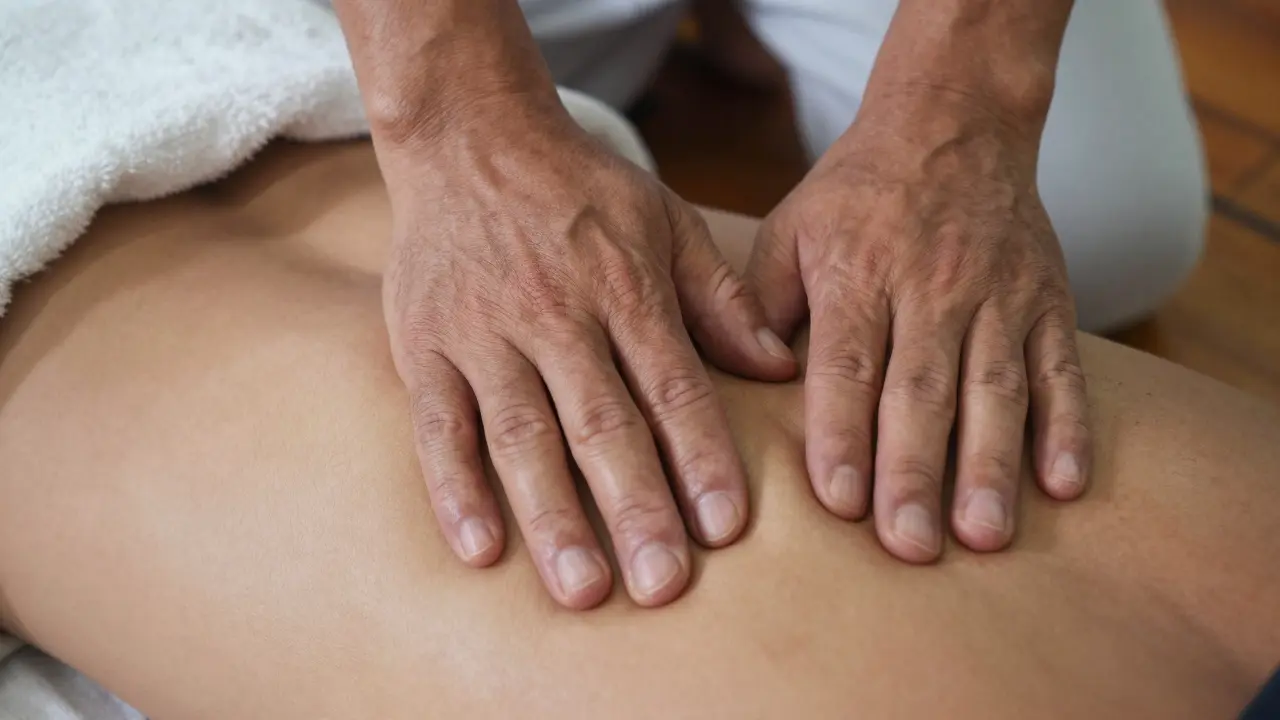
- Close-up of hands applying pressure along a forearm during a Thai massage.
- Client smiling post-session, wrapped in a towel, sipping herbal tea.
- Side-by-side: a person hunched at a desk vs. the same person standing tall after massage.
Suggested Tables
- Comparison of Massage Types in Dubai (already included)
- Key Benefits of Thai Massage (already included)
- Thai Massage Safety Tips (already included)