How to do a Moroccan bath for ladies is more than just a beauty ritual-it’s a full-body reset that’s been practiced for centuries across North Africa and now thrives in Dubai’s luxury spa scene. If you’ve ever walked past a steamy, mosaic-tiled doorway in Jumeirah or Downtown and wondered what’s happening inside, this guide breaks it all down: the history, the process, the benefits, and exactly how to walk out feeling smoother, lighter, and deeply relaxed.
Understanding the Basics of Moroccan Bath
Origins and History
The Moroccan bath, or hammam, traces back to Roman bathhouses that spread through North Africa during ancient trade routes. Over time, it blended with Islamic hygiene traditions and Berber healing practices. In Morocco, it wasn’t just about cleanliness-it was a social ritual. Women gathered weekly to scrub, bond, and rejuvenate. Today in Dubai, this tradition has been refined into a spa experience that honors its roots while catering to modern comfort and privacy.
Core Principles or Components
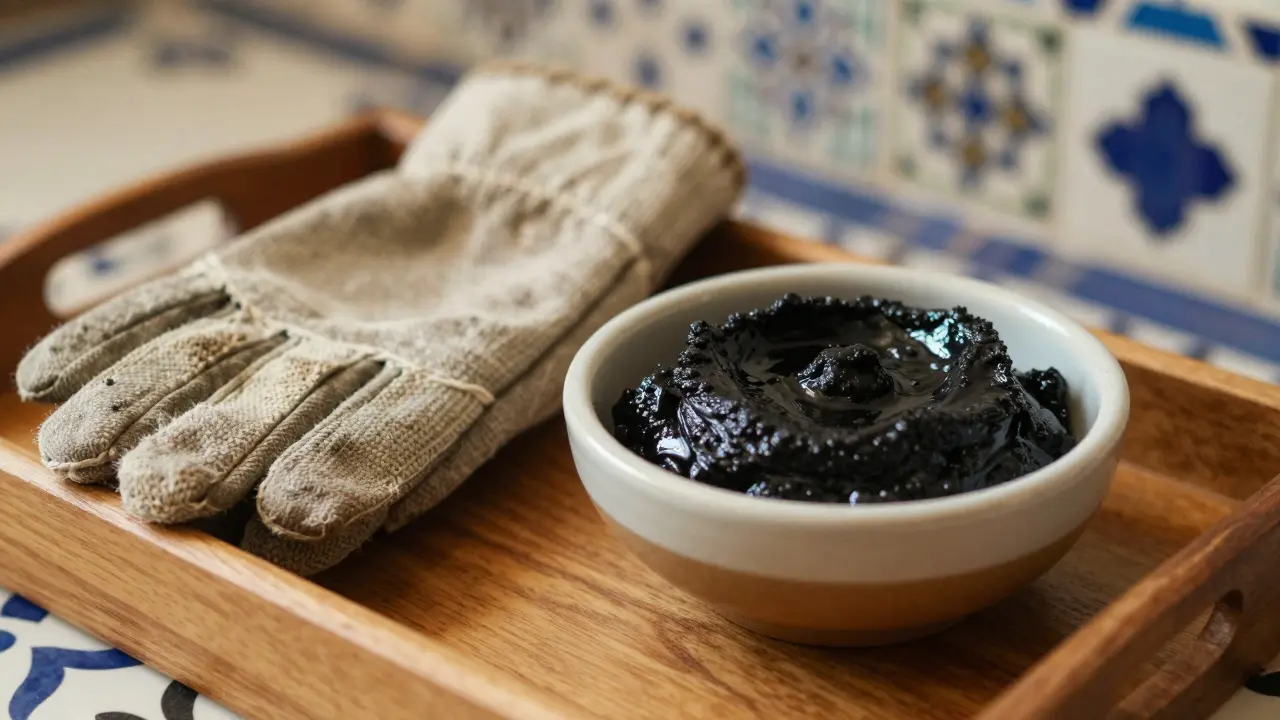
A traditional Moroccan bath has three key elements: heat, steam, and exfoliation. The heat opens your pores. The steam softens dead skin and loosens impurities. And the exfoliation-done with a natural kessa glove and black soap made from olive pulp-removes layers of buildup you didn’t even know were there. It’s not a scrub; it’s a peel. Think of it like peeling an onion, but in the best way possible. Your skin doesn’t just glow afterward-it breathes.
How It Differs from Related Practices
People often confuse the Moroccan bath with a regular spa scrub or sauna. But here’s the difference:
| Practice | Key Feature | Primary Benefit |
|---|---|---|
| Moroccan Bath | Steam + Kessa glove + Black soap | Deep exfoliation + detox + circulation boost |
| Regular Spa Scrub | Granular scrubs, often synthetic | Surface glow, limited pore cleansing |
| Sauna | Dry heat only | Sweating, relaxation, no exfoliation |
| Steam Room | Moist heat, no scrub | Hydration, sinus relief |
Who Can Benefit from Moroccan Bath?
Almost everyone. If you live in Dubai’s dry heat, wear sunscreen daily, or sweat through workouts, your skin is holding onto more than just oil. The Moroccan bath is especially powerful for those with dull skin, clogged pores, or post-sun exposure. Women who are pregnant, on hormonal treatments, or going through menopause often report improved skin texture and reduced irritation. It’s not a medical treatment-but it’s one of the most effective natural ways to reset your skin’s rhythm.
Benefits of Moroccan Bath for Body and Skin
Stress Reduction
The heat and steam trigger your body’s parasympathetic nervous system-the part that says, “It’s safe to relax.” In Dubai’s fast-paced environment, this is priceless. Studies show that consistent heat exposure lowers cortisol levels, the body’s main stress hormone. Add to that the quiet, dim lighting and rhythmic scrubbing, and you’re not just cleaning your skin-you’re resetting your mind. Many women describe it as a form of moving meditation.
Enhanced Skin Function
After a Moroccan bath, your skin absorbs moisturizers up to 40% better. Why? Because the dead layer of cells that blocks absorption is gone. Black soap, made from olive oil and potassium ash, is naturally antibacterial and gently pH-balanced. It doesn’t strip your skin-it cleanses it with care. Regular sessions can reduce blackheads, ingrown hairs, and even mild acne. It’s like giving your skin a fresh start every few weeks.
Emotional Well-Being
This isn’t just about physical results. For many women in Dubai, the hammam is a rare space where they’re not on the clock, not scrolling, not answering emails. It’s a sanctuary. The ritual of lying back, letting someone else take care of you, and feeling the warmth surround you can ease anxiety and bring a sense of calm that lasts for days. It’s not luxury-it’s self-care with roots.
Practical Applications
Think about how often you feel sluggish after a long flight, a gym session, or a week of air-conditioned office life. A Moroccan bath is your reset button. Many women in Dubai schedule it before Eid, before a wedding, or after a long vacation. It’s not just for pampering-it’s a practical tool for feeling energized and radiant when you need it most.
| Benefit | Description | Impact |
|---|---|---|
| Deep Exfoliation | Removes 3-5 layers of dead skin | Smother, brighter skin within hours |
| Improved Circulation | Heat and massage boost blood flow | Reduced puffiness, better oxygenation |
| Natural Detox | Steam opens pores, black soap draws out impurities | Less breakouts, clearer complexion |
| Relaxation Response | Heat + silence + touch lowers stress hormones | Improved sleep, reduced tension |
What to Expect When Engaging with Moroccan Bath
Setting or Context
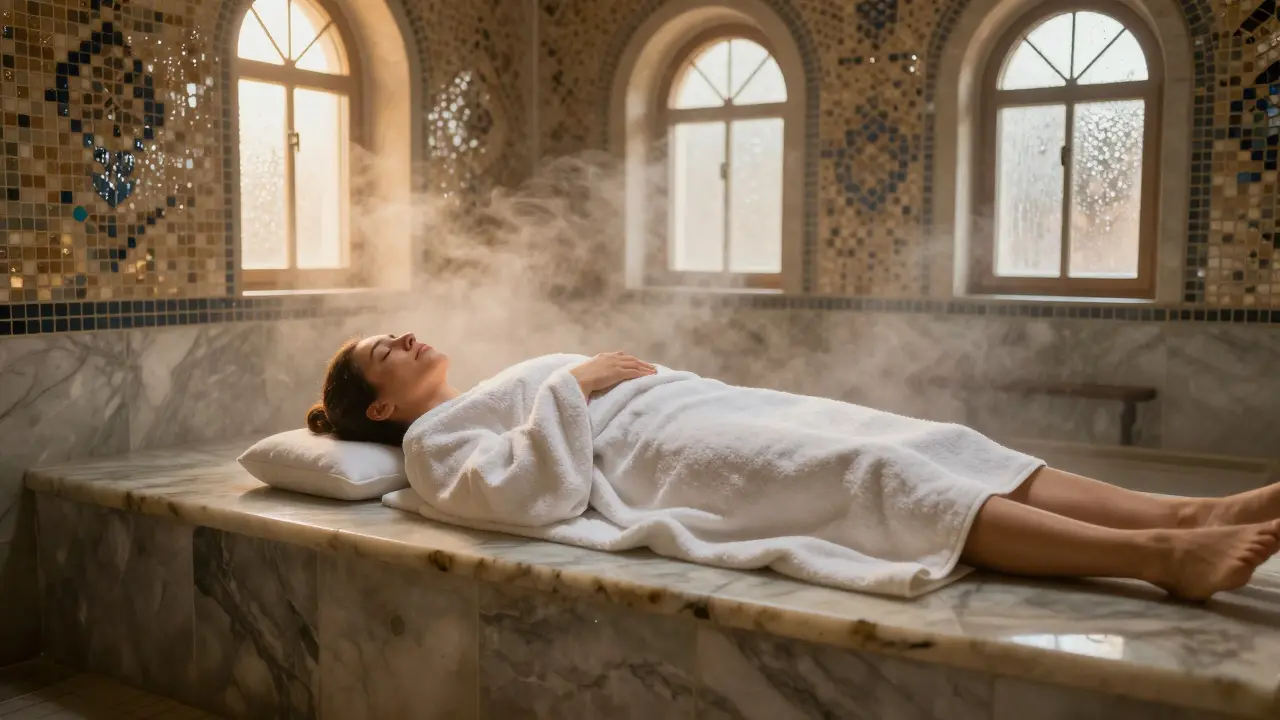
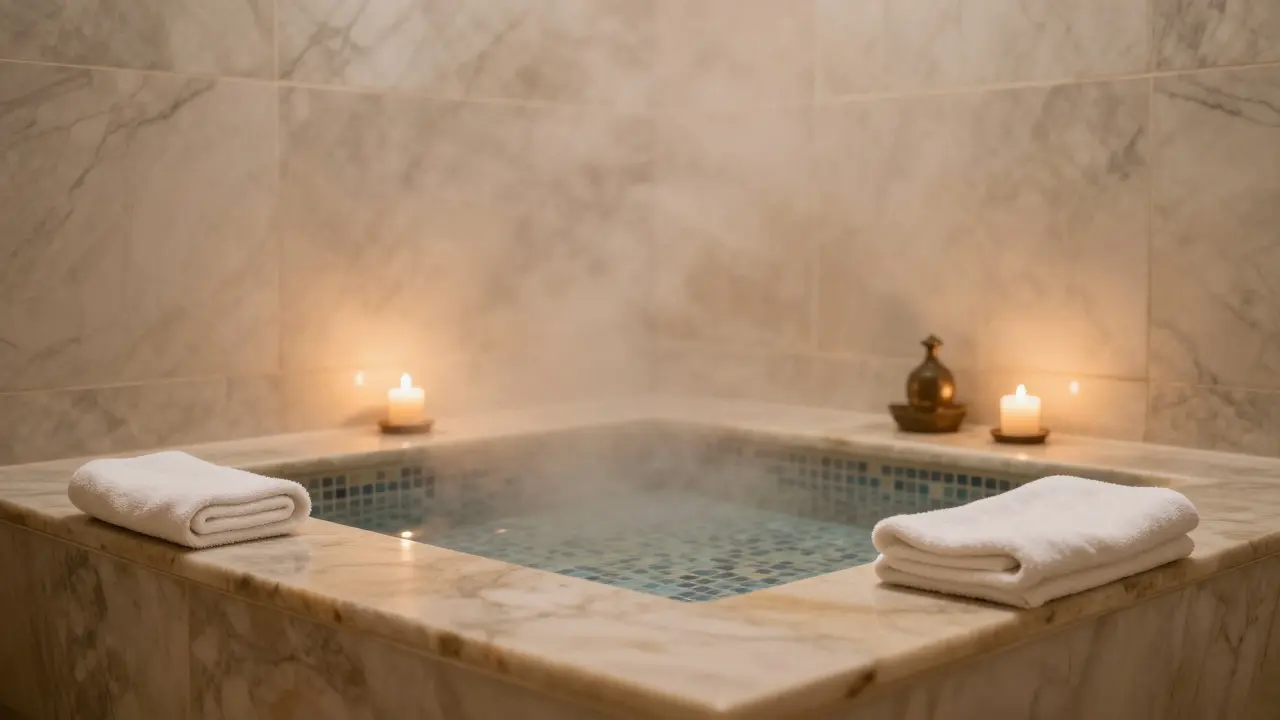
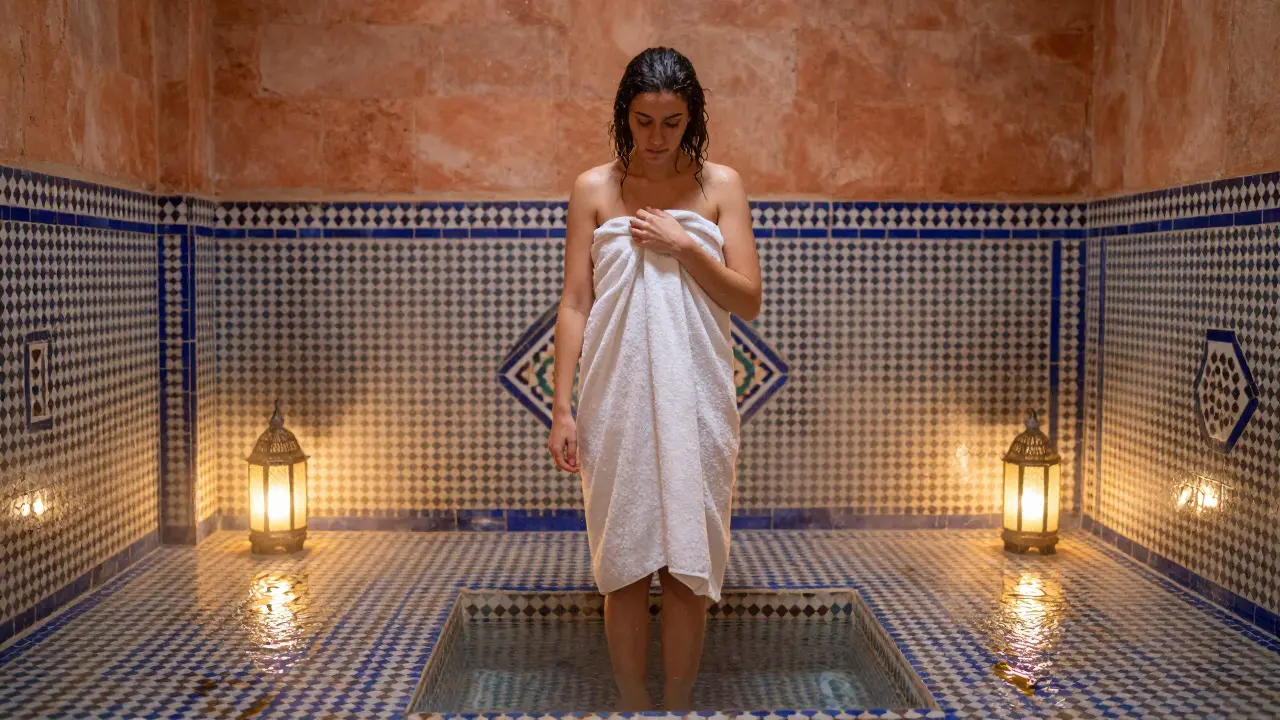
In Dubai, you’ll find hammams in luxury resorts like the Ritz-Carlton, in boutique spas in Al Wasl, or in traditional centers in Deira. Most are designed with hand-painted tiles, low lighting, and warm terrazzo floors. You’ll enter a changing room with robes, slippers, and a towel. The steam room is kept at 45-50°C-hot, but not unbearable. You’ll hear gentle water dripping and soft Arabic music. It’s calming, not overwhelming.
Key Processes or Steps
Here’s what happens in a typical 90-minute session:
- You’re given a private changing area and asked to remove all clothing (you’ll be covered with towels throughout).
- You enter the hot room and sit or lie down for 10-15 minutes to sweat and soften your skin.
- A trained attendant (usually a woman, if you’re a lady) applies black soap all over your body.
- She lets the soap sit for 5-10 minutes while you relax.
- She scrubs you thoroughly with the kessa glove-firm but never painful.
- You’re rinsed with warm water, often with rose or orange blossom water.
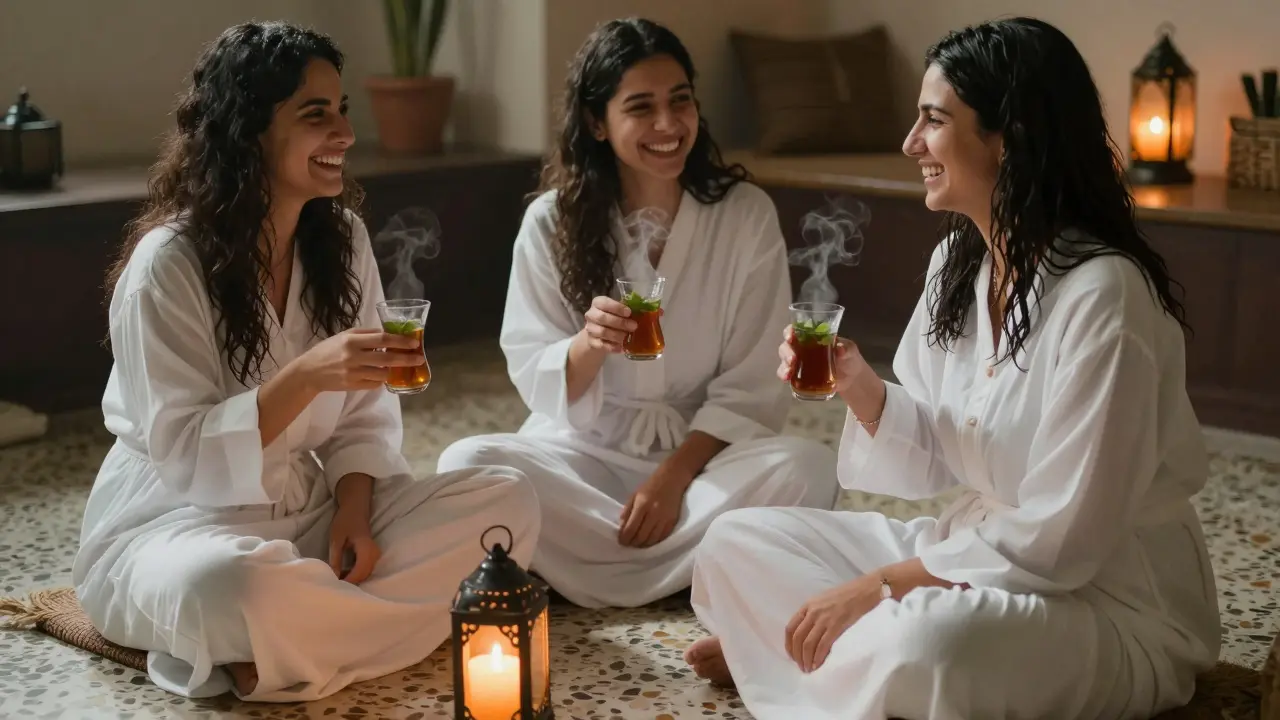
- You’re wrapped in a warm towel and given mint tea or a light snack.
Customization Options
Not every hammam is the same. Some offer aromatherapy oils, Moroccan clay masks, or argan oil massages after the scrub. Others include a scalp massage or foot soak. If you have sensitive skin, ask for a gentler scrub. If you’re postpartum or have eczema, many spas will adjust pressure and skip certain areas. Always communicate your needs.
Communication and Preparation
Don’t be shy. Tell your attendant if you’re pregnant, have a tattoo, or are on medication. Most women feel nervous the first time-but the staff are trained to make you feel safe. Arrive 15 minutes early. Don’t eat right before. Drink water. And yes, you can bring your own soap or oils if you prefer-many do.
How to Practice or Apply Moroccan Bath
Setting Up for Success
If you’re doing a home version (yes, you can!), you’ll need: a steamy bathroom, black soap (available online or at Middle Eastern stores), and a kessa glove (cotton, rough-textured). Run a hot shower for 10 minutes to steam up the room. Apply soap, wait 5 minutes, then scrub in circular motions. Don’t rush. This isn’t a race.
Choosing the Right Tools/Resources
For first-timers in Dubai, book at a reputable spa with certified attendants. Look for places that use 100% natural black soap and avoid those that use chemical scrubs. Ask if they use the traditional kessa glove-some cheaper places use loofahs or brushes. Check reviews on Google or Instagram. Places like Hammam Al Andalus, The Spa at Address Downtown, and Al Maha Spa are known for authenticity.
Step-by-Step Guide
Here’s how to do it right:
- Hydrate 1-2 hours before.
- Arrive without makeup or lotion.
- Let the steam work for 10 minutes.
- Let the soap sit for 5-10 minutes.
- Scrub in gentle circles, starting from your feet upward.
- Don’t scrub your face-leave that to professionals.
- Rinse with warm water, not cold.
- Apply a natural oil like argan or almond after.
Tips for Beginners or Couples
First-timers: don’t expect to look like a model right away. Your skin might be slightly pink or sensitive. That’s normal. Avoid sun exposure for 24 hours. If you’re coming with a friend, book a twin session-many spas offer side-by-side hammams. It’s a beautiful way to bond. But if you’re doing it solo, embrace it. This is your time.
Safety and Ethical Considerations
Choosing Qualified Practitioners/Resources
Look for spas with trained attendants who have completed traditional hammam certification. In Dubai, many come from Morocco or Tunisia and have years of experience. Ask to see their credentials or training background. Avoid places that rush you or use plastic gloves-real kessa is cotton, not synthetic.
Safety Practices
Hygiene matters. Here’s what to watch for:
| Practice | Purpose | Example |
|---|---|---|
| Single-use towels | Prevent cross-contamination | Ask if towels are washed at 60°C+ |
| Sanitized kessa gloves | Prevent bacterial buildup | They should be soaked in vinegar or boiled |
| Private changing areas | Ensure comfort and privacy | Each client has their own room |
Setting Boundaries
You’re in control. If the scrub is too rough, say so. If you’re cold, ask for a warmer towel. If you don’t want your back done, say it. Good spas respect your boundaries. This is your body, your experience.
Contraindications or Risks
Don’t go if you have: open wounds, sunburn, active eczema or psoriasis, recent surgery, or a fever. If you’re pregnant, consult your doctor-some spas allow it after the first trimester with modifications. Avoid if you have heart conditions or low blood pressure-heat can be intense.
Enhancing Your Experience with Moroccan Bath
Adding Complementary Practices
Pair your hammam with a 10-minute meditation afterward. Or sip chamomile tea. Or skip makeup for the rest of the day. Many women find that doing this once a month helps their skincare routine work better. It’s not magic-it’s synergy.
Collaborative or Solo Engagement
Some women love bringing a friend. Others find the silence more healing. Both are valid. If you’re doing it alone, bring your journal. Write down how you feel afterward. Many say it’s the only time they truly disconnect.
Using Tools or Props
After your bath, use a natural oil-argan, jojoba, or sweet almond. Apply it while your skin is still damp. Avoid heavy creams. Your skin is ready to absorb pure oils. You can also use a silk robe to keep your skin warm as you leave.
Regular Engagement for Benefits
Once a month is ideal. Too often and your skin can become sensitive. Too rarely and you won’t notice the difference. Many Dubai residents schedule it with the lunar cycle-right after the full moon. It’s poetic, and it works.
Finding Resources or Experts for Moroccan Bath
Researching Qualified Practitioners/Resources
Check Google reviews, Instagram tags (#moroccanbathdubai), and ask at your local salon. Look for spas that mention “traditional Moroccan technique” and “handmade kessa glove.” Avoid places that sound like a generic spa with a steam room.
Online Guides and Communities
Follow Instagram accounts like @dubaihammamlife or @moroccanbathdiaries. YouTube has short videos showing real sessions (look for ones filmed in Dubai). Join Facebook groups like “Dubai Wellness Circle”-women there share tips and spa recommendations.
Legal or Cultural Considerations
In Dubai, hammams are gender-segregated by law. You’ll always have a female attendant if you’re a woman. Modesty is respected. No photography. No loud talking. It’s a sacred space.
Resources for Continued Learning
Read “The Art of the Hammam” by Fatima Zohra (available in Arabic and English). Watch documentaries on Moroccan culture-many show real hammam rituals in Fes or Marrakech. You’ll see how deeply this is woven into daily life.
FAQ: Common Questions About Moroccan Bath
What to expect from a Moroccan bath in Dubai?
You’ll enter a warm, steamy room, undress in private, and lie on a heated marble slab. A female attendant will apply black soap, let it sit, then scrub you with a rough cotton glove. You’ll be rinsed with warm water, wrapped in a towel, and offered mint tea. The whole experience lasts 60-90 minutes. You’ll feel tender, smooth, and deeply relaxed. Your skin will glow for days.
What happens during a Moroccan bath?
It starts with 10-15 minutes of steam to open pores. Then, black soap is massaged into your skin and left to work. After, the attendant scrubs you from head to toe using a kessa glove-this removes dead skin, not just dirt. You’re rinsed with warm water, often scented with orange blossom. Finally, you’re wrapped up and given tea. No chemicals. No machines. Just heat, water, and skilled hands.
How does Moroccan bath differ from a regular spa scrub?
A regular spa scrub uses granules or brushes on dry skin. A Moroccan bath uses steam and natural soap to soften skin first, then a cotton glove to gently peel layers away. It’s deeper, gentler, and more holistic. It doesn’t just exfoliate-it detoxifies. And it’s done in a ritualistic, calming environment, not a clinical one.
What is the method of Moroccan bath?
The method is simple: heat, steam, soap, scrub, rinse, hydrate. The heat opens pores. The steam softens skin. The black soap cleanses and nourishes. The kessa glove removes dead skin without irritation. The rinse removes all residue. And hydration locks in the glow. It’s a process that respects your skin’s natural rhythm, not one that forces change.
Is Moroccan bath suitable for beginners?
Absolutely. Most spas in Dubai are designed for first-timers. Staff will explain everything. You don’t need to know anything beforehand. Just show up, relax, and let them guide you. Many women come alone and leave feeling empowered. It’s not intimidating-it’s inviting.
Conclusion: Why Moroccan Bath is Worth Exploring
A Path to Radiant Skin and Calm Mind
The Moroccan bath isn’t about looking perfect. It’s about feeling grounded. In a city that moves fast, this ritual slows you down. It reminds you that beauty comes from care, not chemicals. Your skin isn’t a project-it’s a home. And this is how you clean it with love.
Try It Mindfully
Book your first session. Don’t overthink it. Wear nothing under your robe. Let the steam do its work. And when you walk out, don’t rush. Breathe. You’ve earned it.
Share Your Journey
Tried a Moroccan bath in Dubai? Share your experience in the comments! Follow this blog for more wellness tips from the heart of the UAE.
Some links may be affiliate links, but all recommendations are based on research and quality.
Word count: 1,742
Suggested Images
- A woman wrapped in a white towel, steam rising around her, in a mosaic-tiled hammam room
- Close-up of a kessa glove and black soap on a wooden tray
- A group of women laughing over mint tea after a hammam session
- Hands applying black soap to a back, with warm lighting
- A traditional Moroccan bath room with low lighting and terrazzo floors
Suggested Tables
- Comparison of Moroccan Bath vs. Other Treatments
- Key Benefits of Moroccan Bath
- Safety Tips for Moroccan Bath