What Are the Warnings of Cupping? Essential Safety Tips You Need to Know
When people ask about cupping warnings, they’re not just being cautious-they’re smart. Cupping therapy has surged in popularity over the last decade, thanks to athletes like Michael Phelps and celebrities sharing their bruised backs on social media. But behind those circular marks is a practice with real physical effects-and real risks if done wrong. Cupping isn’t magic. It’s a physical stimulus that pulls blood to the surface, releases tension, and triggers the body’s healing response. But that same pull can cause harm if applied to the wrong skin, the wrong person, or the wrong time. This isn’t about scaring you off cupping. It’s about helping you walk into a session informed, safe, and empowered.
Understanding the Basics of Cupping
Origins and History
Cupping has roots stretching back over 3,000 years. Ancient Egyptians used it for purification, while traditional Chinese medicine adopted it to balance qi and remove stagnation. In the Middle East, it was known as "hijama," often tied to Islamic healing traditions. Today, modern cupping blends these ancient methods with contemporary understanding of anatomy and circulation. It’s not just a trend-it’s a time-tested technique that’s been refined across cultures. But just because it’s old doesn’t mean it’s risk-free. Every culture that used cupping also had rules about who shouldn’t receive it. Those rules still matter today.
Core Principles or Components
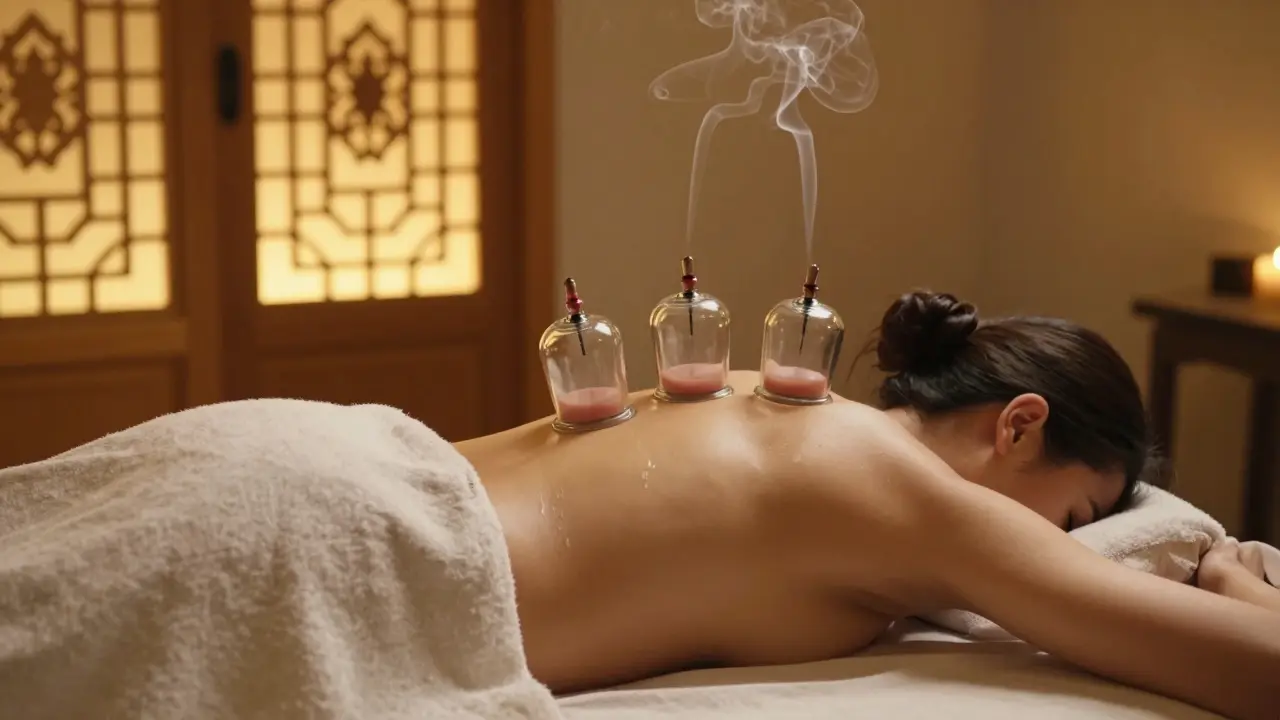
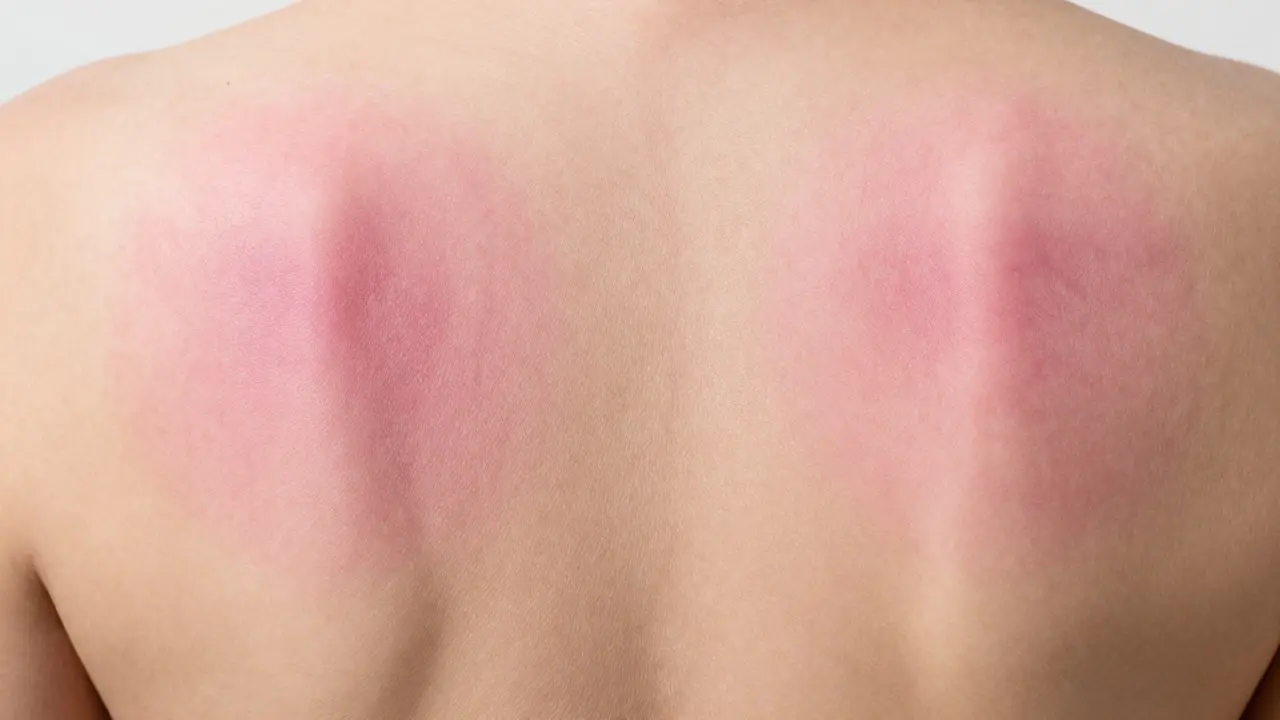
Cupping works by creating suction on the skin using glass, silicone, or plastic cups. This suction lifts the skin and underlying tissue, increasing local blood flow. The goal? To relax tight muscles, reduce inflammation, and stimulate lymphatic drainage. There are two main types: dry cupping (suction only) and wet cupping (suction plus controlled bloodletting). Dry cupping is far more common in spas and wellness centers. The cups stay in place for 5 to 15 minutes. The circular marks you see afterward? They’re not bruises in the traditional sense-they’re temporary discolorations from broken capillaries under the skin. They fade in days to weeks, depending on your circulation and skin sensitivity.
How It Differs from Related Practices
Cupping is often confused with massage or acupuncture. Here’s how it’s different:
| Practice | Key Feature | Primary Benefit |
|---|---|---|
| Cupping | Suction lifts tissue | Increases blood flow, releases fascial tension |
| Massage | Pressure and kneading | Relaxes muscles, improves range of motion |
| Acupuncture | Thin needles stimulate points | Regulates nervous system, balances energy flow |
Cupping doesn’t break skin (unless it’s wet cupping). It doesn’t target specific acupuncture points. And unlike massage, it’s passive-you lie still while the cups do the work. That makes it unique, but also means it can’t replace other therapies. It’s best used as part of a broader wellness routine.
Who Can Benefit from Cupping?
People with chronic muscle tension, athletes recovering from intense training, and those with localized pain (like lower back or shoulder stiffness) often report relief. Some find it helpful for stress, especially when combined with deep breathing. But it’s not for everyone. If you’re looking for a quick fix for migraines or digestive issues, cupping probably won’t deliver. It’s not a cure-all. Think of it as a tool for releasing physical tension-not a solution for internal health problems.
Benefits of Cupping for the Body
Stress Reduction
The gentle pull of the cups triggers a parasympathetic response-the body’s "rest and digest" mode. Many clients report feeling deeply relaxed during and after a session, sometimes even sleepy. This isn’t just placebo. Research from the National Institutes of Health suggests that localized skin stimulation like cupping can reduce cortisol levels, the body’s main stress hormone. For people living in high-pressure environments like Dubai, where work and lifestyle stress run high, this can be a meaningful tool.
Enhanced Functionality
Cupping helps loosen fascia-the connective tissue that wraps around muscles. When fascia gets tight from sitting all day or repetitive motion, movement becomes stiff. Cupping can restore glide between tissues, improving flexibility and reducing pain during movement. Athletes and desk workers alike notice better range of motion after consistent sessions.
Emotional Well-Being
Physical tension and emotional stress are deeply linked. When your shoulders are knotted, your mind feels heavy. When cupping releases that physical burden, many people report a mental lightness too. It’s not therapy, but it creates space for calm. One client in Dubai told me, "After my first cupping session, I slept through the night for the first time in months. I didn’t realize how much tension I was holding onto until it was gone."
Practical Applications
Cupping fits neatly into daily life:
| Benefit | Description | Impact |
|---|---|---|
| Recovery Aid | Helps athletes recover faster from muscle fatigue | Reduces soreness, improves next-day performance |
| Pain Relief | Reduces localized discomfort in back, neck, shoulders | Decreases reliance on painkillers |
| Detox Support | Stimulates lymphatic flow | May help reduce bloating and swelling |
| Relaxation | Triggers nervous system calm | Improves sleep quality and mood |
What to Expect When Engaging with Cupping
Setting or Context
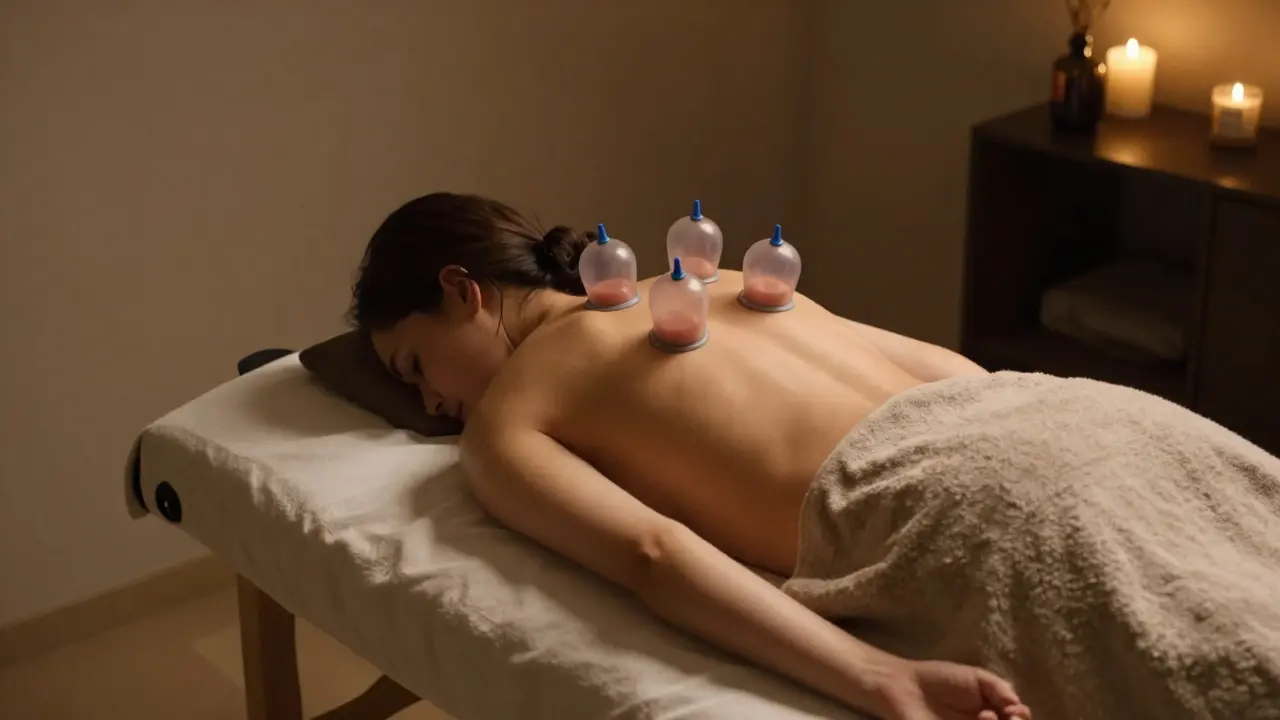
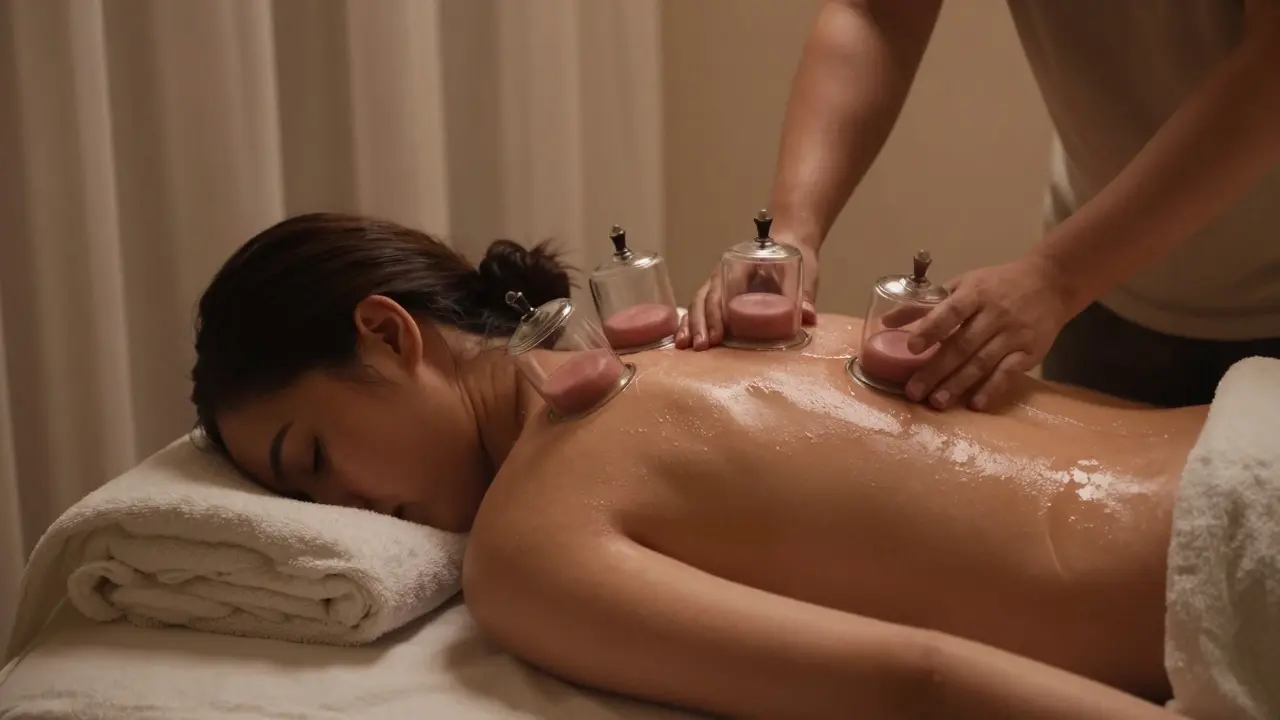
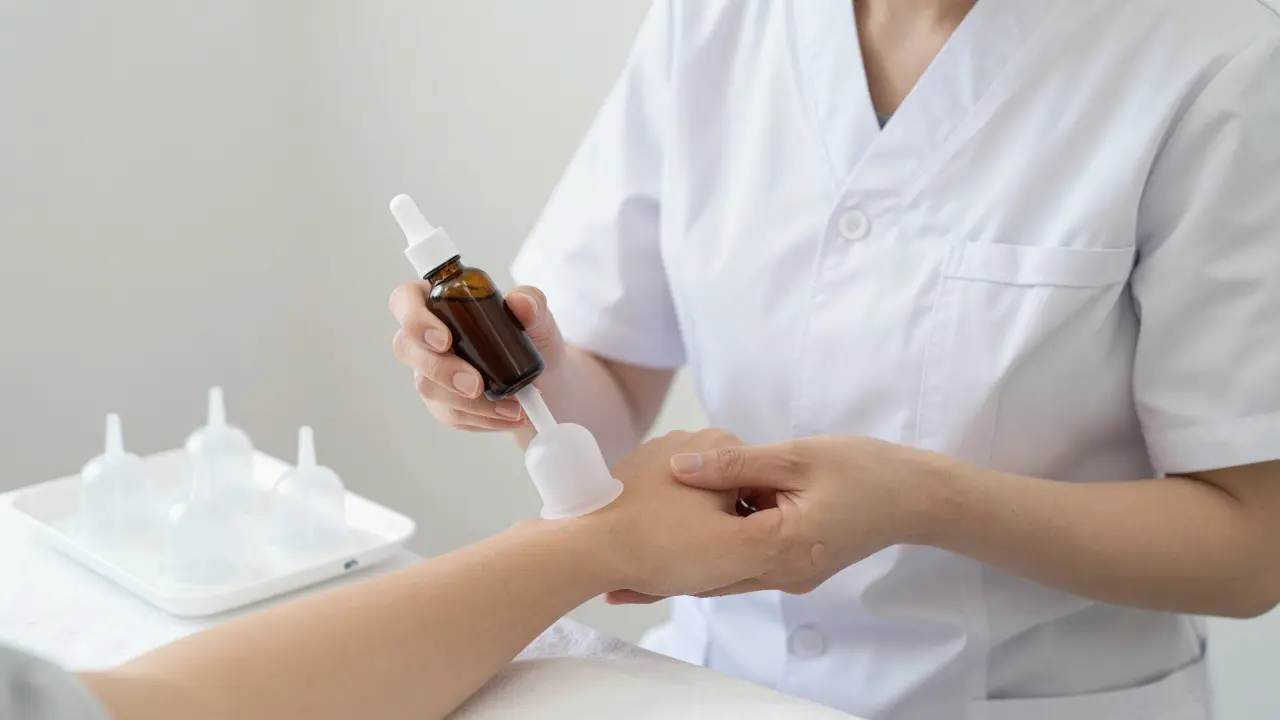
A typical cupping session happens in a quiet, warm room-often with soft lighting and calming music. You’ll lie face down or on your back, fully draped. The practitioner will apply oil or lotion to help the cups glide. You’ll feel a pulling sensation, not pain. Some compare it to a deep tissue massage, but without pressure. The cups may stay still, or be moved slowly across the skin (called "sliding cupping"). The whole session usually lasts 30 to 45 minutes.
Key Processes or Steps
Here’s what happens in a standard dry cupping session:
- Consultation: The practitioner asks about your health, injuries, and goals.
- Preparation: Skin is cleaned and lubricated.
- Cup Placement: Cups are applied using suction (manual pump or heat).
- Rest: You relax for 5-15 minutes while cups are in place.
- Removal: Cups are gently lifted off.
- Aftercare: You’re advised to drink water and avoid cold exposure.
Customization Options
Cupping can be adjusted for sensitivity. Light suction is used for older adults or those with thin skin. Stronger suction may be used for athletes with dense muscle. Some practitioners combine cupping with heat lamps or essential oils for enhanced relaxation. You can also choose between static (stationary) or dynamic (moving) cupping based on your needs.
Communication and Preparation
Always speak up. If the suction feels too intense, tell your practitioner. They can adjust it immediately. Avoid cupping on an empty stomach or right after a heavy meal. Don’t show up with sunburn, open wounds, or recent tattoos. And if you’re on blood thinners or have a bleeding disorder, say so upfront. Honesty keeps you safe.
Safety and Ethical Considerations
Choosing Qualified Practitioners
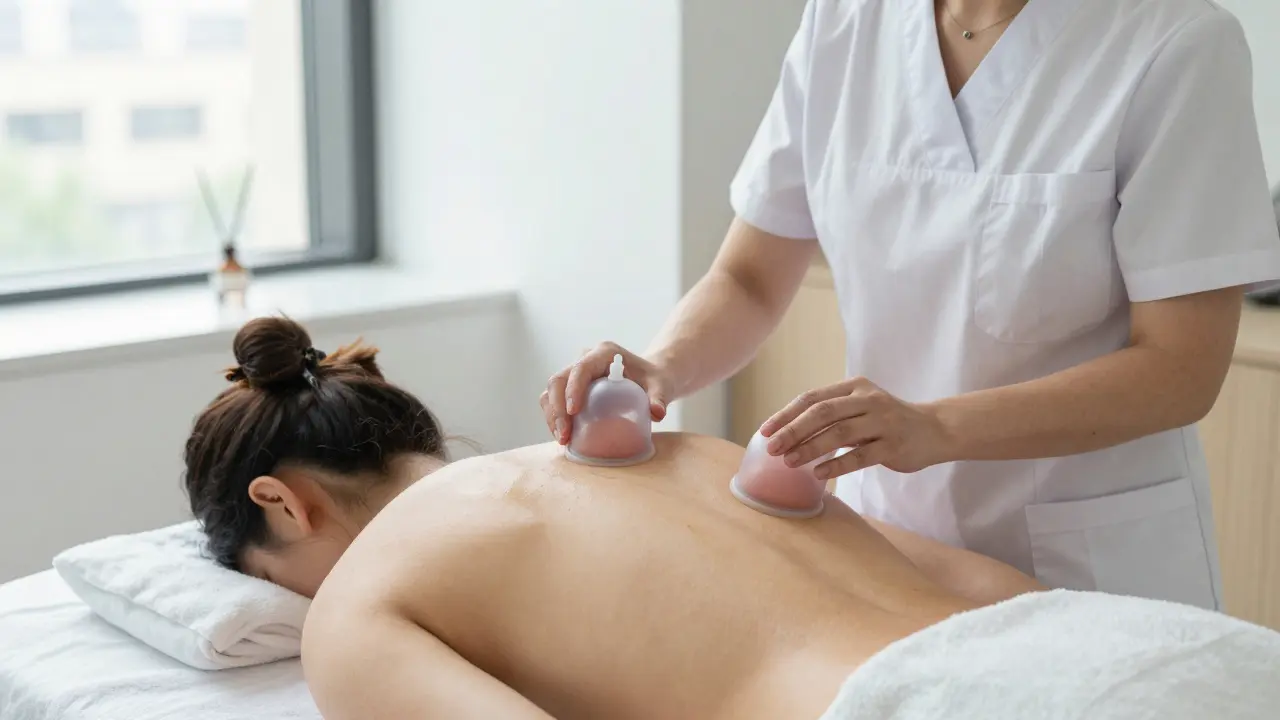
Not everyone who calls themselves a "cupping therapist" is trained. Look for professionals certified in integrative medicine, physical therapy, or traditional Chinese medicine. In Dubai, licensed spa practitioners must follow strict hygiene codes. Ask to see their certification. Reputable centers will have clean, single-use cups or properly sterilized glass ones. Avoid places that use the same cups on multiple clients without disinfecting.
Safety Practices
Here’s what safe cupping looks like:
| Practice | Purpose | Example |
|---|---|---|
| Use sterile cups | Prevent infection | Disposable silicone cups or autoclaved glass |
| Don’t cup over veins | Avoid bruising or rupture | Keep cups away from visible blood vessels |
| Limit session time | Prevent skin damage | Max 15 minutes per area |
| Hydrate after | Help flush released toxins | Drink 1-2 glasses of water |
Setting Boundaries
Your comfort is non-negotiable. If you feel dizzy, nauseous, or overly sensitive during the session, ask for it to stop. No reputable practitioner will pressure you. You have the right to pause, adjust, or end the session at any time. Trust your body’s signals.
Contraindications or Risks
There are clear situations where cupping should be avoided:
- Open wounds, burns, or recent surgery
- Bleeding disorders or taking anticoagulants (like warfarin)
- Pregnancy (especially on the abdomen or lower back)
- Severe skin conditions (eczema, psoriasis, active acne)
- Fever or acute infection
- History of blood clots or deep vein thrombosis
- Children under 12 or elderly with fragile skin
If you have any of these, skip cupping-or consult your doctor first. Wet cupping carries even higher risks and should only be performed by licensed medical professionals in clinical settings.
Enhancing Your Experience with Cupping
Adding Complementary Practices
Cupping works better when paired with other gentle therapies. Try it after a warm shower, or combine it with gentle stretching or breathwork. Many find it helpful to meditate for 10 minutes after a session to deepen the relaxation effect. Avoid intense exercise or saunas right after-your body needs time to reset.
Collaborative or Solo Engagement
Cupping is a solo experience. It’s not meant to be shared. You lie still, relax, and let the suction do its work. Don’t try to do it yourself at home with cheap kits. Without proper training, you risk injury, bruising too deeply, or missing contraindications. Leave it to the pros.
Using Tools or Props
At home, you can use a silicone cup for light self-cupping on the back of your neck or shoulders-but only if you’re healthy and have no contraindications. Use it gently, no more than 5 minutes, and never on the spine, face, or joints. Professional-grade tools are designed for safety and control. DIY kits often aren’t.
Regular Engagement for Benefits
One session won’t transform your life. For lasting results, aim for 1-2 sessions per month if you’re dealing with chronic tension. Athletes might do it weekly during training cycles. Listen to your body. If you feel better after a session, give yourself space to recover. Don’t rush into another one too soon.
Finding Resources or Experts for Cupping
Researching Qualified Practitioners
In Dubai, look for spas affiliated with medical centers or physiotherapy clinics. Check reviews that mention hygiene, professionalism, and clear communication. Avoid places that promise "miracle cures" or claim cupping can treat diabetes, cancer, or autoimmune diseases. Those are red flags.
Online Guides and Communities
Reputable sources like the National Center for Complementary and Integrative Health (NCCIH) offer evidence-based overviews. Avoid YouTube tutorials that show aggressive cupping on the spine or face. Stick to trusted wellness platforms that emphasize safety.
Legal or Cultural Considerations
In the UAE, cupping is widely accepted, especially in traditional wellness centers. However, wet cupping (hijama) is regulated and should only be performed by licensed healthcare providers. Always confirm whether the service you’re getting is dry or wet cupping-and know the difference.
Resources for Continued Learning
Books like "The Cupping Therapy Bible" by Dr. Richard Brown or "Traditional Chinese Medicine: A Comprehensive Guide" provide solid background. Look for courses from accredited institutions in integrative medicine. Don’t rely on TikTok or Instagram influencers for medical advice.
FAQ: Common Questions About Cupping
What are the side effects of cupping?
The most common side effect is temporary circular marks on the skin, which look like bruises but aren’t painful. They fade in 3 to 10 days. Some people feel slightly dizzy or lightheaded afterward-this is usually due to dehydration or low blood sugar. Drinking water and resting for 15 minutes helps. Rarely, minor skin irritation or burns can occur if cups are left on too long or heated improperly. Always choose a licensed practitioner to minimize these risks.
Can cupping cause infection?
Yes, if proper hygiene isn’t followed. Reusing cups without sterilization, especially in wet cupping, can lead to bacterial or viral infections. Always ask if cups are disposable or properly autoclaved. In Dubai, reputable spas follow strict sterilization standards. If a practitioner uses the same cups on multiple clients without cleaning them, walk out. Infection risk is low with professionals-but real if you cut corners.
How long do cupping marks last?
Cupping marks typically last 3 to 7 days, but can linger up to two weeks in people with slower circulation or sensitive skin. The color of the marks doesn’t indicate toxicity-it reflects local blood flow and capillary fragility. Darker marks mean more suction or slower healing, not deeper "detox." Don’t feel pressured to hide them. They’re normal, temporary, and not contagious. Use sunscreen on marked areas to prevent darkening from sun exposure.
Is cupping safe during pregnancy?
Generally, no. Cupping on the abdomen, lower back, or certain acupressure points can stimulate contractions or affect blood flow to the uterus. Even dry cupping on the back is discouraged during pregnancy unless performed by a practitioner trained in prenatal care. If you’re pregnant and want relief from back pain, opt for prenatal massage instead. Always consult your OB-GYN before trying any new therapy during pregnancy.
Can I do cupping at home?
Light, short-duration cupping on large muscle areas like the shoulders or thighs is possible with silicone cups-but only if you’re healthy and understand the risks. Never use heat-based cups at home. Avoid the spine, neck, face, joints, or any area with thin skin. If you have any medical condition, are on medication, or are unsure, don’t risk it. Professional cupping is safer, more effective, and worth the investment. Home cupping is not a substitute for expert care.
Conclusion: Why Cupping Is Worth Exploring
A Path to Physical Relief
Cupping isn’t a cure, but it’s a powerful tool for releasing physical tension and improving circulation. When done safely and correctly, it offers real, measurable benefits for muscle recovery, stress relief, and mobility. It’s not for everyone-but for many, it’s a game-changer.
Try It Mindfully
If you’re curious, start with one session at a reputable spa. Talk to your practitioner. Ask questions. Listen to your body. Don’t chase the Instagram-worthy marks-chase how you feel afterward.
Share Your Journey
Tried cupping? Share your experience in the comments-what worked, what didn’t, and what surprised you. Follow this blog for more practical wellness tips tailored to life in Dubai and beyond.
Some links may be affiliate links, but all recommendations are based on research and quality.
Word count: 1,723
Suggested Visuals
- A person lying face down with glass cups on their upper back, soft lighting, calm spa setting
- Close-up of circular cupping marks on skin, showing natural fading pattern
- Hand holding silicone cup with oil on forearm, demonstrating gentle application
- Comparison image: before (tense shoulders) and after (relaxed posture) cupping session
- Professional therapist in white coat, checking client’s skin before cupping, showing hygiene practices
Suggested Tables
- Comparison of Cupping vs. Massage and Acupuncture
- Key Benefits of Cupping
- Cupping Safety Tips