What Should You Not Do After Cupping? Your Essential Guide to Safe Recovery
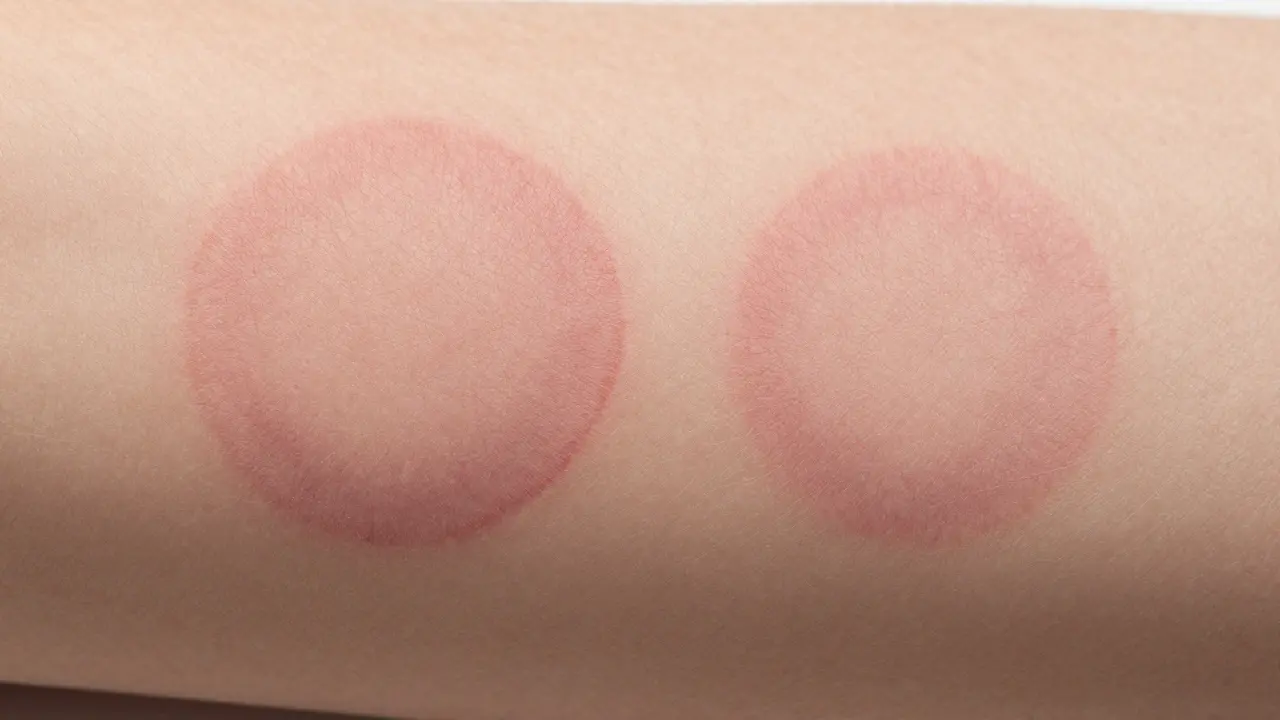
When you step out of a cupping session, your skin might show those circular marks-reddish, purplish, sometimes even slightly bruised. It’s normal. But what you do-or don’t do-in the next few hours can make all the difference between feeling refreshed and feeling worse. What should you not do after cupping? This isn’t just about avoiding discomfort; it’s about letting your body heal properly. Many people rush back into cold showers, intense workouts, or even alcohol right after treatment, not realizing they’re undoing the very benefits they came for. Cupping isn’t magic-it’s a gentle nudge to your body’s natural healing systems. And like any nudge, it needs space and care to work.
Understanding the Basics of Cupping
Origins and History
Cupping has been around for thousands of years, with roots in ancient Egyptian, Chinese, and Middle Eastern medicine. In traditional Chinese medicine, it’s believed to remove blockages in the body’s energy flow, or qi. The cups create a vacuum that draws blood to the surface, encouraging circulation and helping release tight muscles. In the UAE, cupping-known locally as hijama-has deep cultural significance, often practiced for detoxification and pain relief. Today, it’s used globally in spas, physiotherapy clinics, and wellness centers-not as a cure-all, but as a supportive therapy.
Core Principles or Components
There are two main types: dry cupping and wet cupping. Dry cupping uses suction alone to pull skin and tissue upward, increasing blood flow to the area. Wet cupping includes small, controlled incisions to draw out a tiny amount of blood, believed to remove toxins. Both rely on the same principle: stimulating local circulation to reduce inflammation, ease muscle tension, and promote healing. The marks you see? They’re not bruises in the traditional sense-they’re signs of increased blood flow and minor capillary rupture, not injury.
How It Differs from Related Practices
People often confuse cupping with massage, acupuncture, or foam rolling. Here’s how it’s different:
| Practice | Key Feature | Primary Benefit |
|---|---|---|
| Cupping | Uses suction to lift tissue | Increases blood flow, reduces muscle stiffness |
| Massage | Applies pressure downward | Relaxes muscles, improves lymphatic drainage |
| Acupuncture | Inserts fine needles into points | Regulates nervous system, balances energy |
| Foam Rolling | Self-applied pressure on fascia | Breaks up adhesions, improves mobility |
Who Can Benefit from Cupping?
Cupping helps people with chronic muscle tension, athletes recovering from intense training, those with headaches or migraines, and even individuals dealing with stress-related fatigue. It’s not for everyone-people with bleeding disorders, open wounds, or severe skin conditions should avoid it. But for most healthy adults, it’s a low-risk way to support recovery when done correctly.
Benefits of Cupping for Your Body
Stress Reduction
When your muscles are tight, your nervous system stays on high alert. Cupping helps break that cycle. The gentle pulling action signals your brain to relax, lowering cortisol levels and activating the parasympathetic nervous system-the one responsible for rest and repair. Many clients report feeling calmer within minutes of their session, even if they came in with neck pain or tension headaches.
Enhanced Recovery
After a hard workout, lactic acid builds up, and muscles get stiff. Cupping brings fresh oxygen-rich blood to those areas, helping flush out metabolic waste faster. Athletes in Dubai, especially those training in the heat, often use it as part of their weekly recovery routine. It doesn’t replace stretching or hydration, but it complements them well.
Emotional Well-Being
Physical tension and emotional stress are deeply linked. When your shoulders are knotted, your mind tends to stay tense too. Cupping can create a sense of release-not just physically, but emotionally. People often describe it as a "mental sigh." It’s not therapy, but it can create space for calm.
Practical Applications
Think of cupping as a tool for daily maintenance. It’s not a cure for arthritis or a miracle for weight loss. But for someone sitting at a desk all day, it can ease upper back pain. For a parent juggling kids and work, it can relieve tension in the neck and shoulders. For runners, it can reduce tightness in the calves and hamstrings. Its real power lies in consistency-not intensity.
What to Expect When Engaging with Cupping
Setting or Context
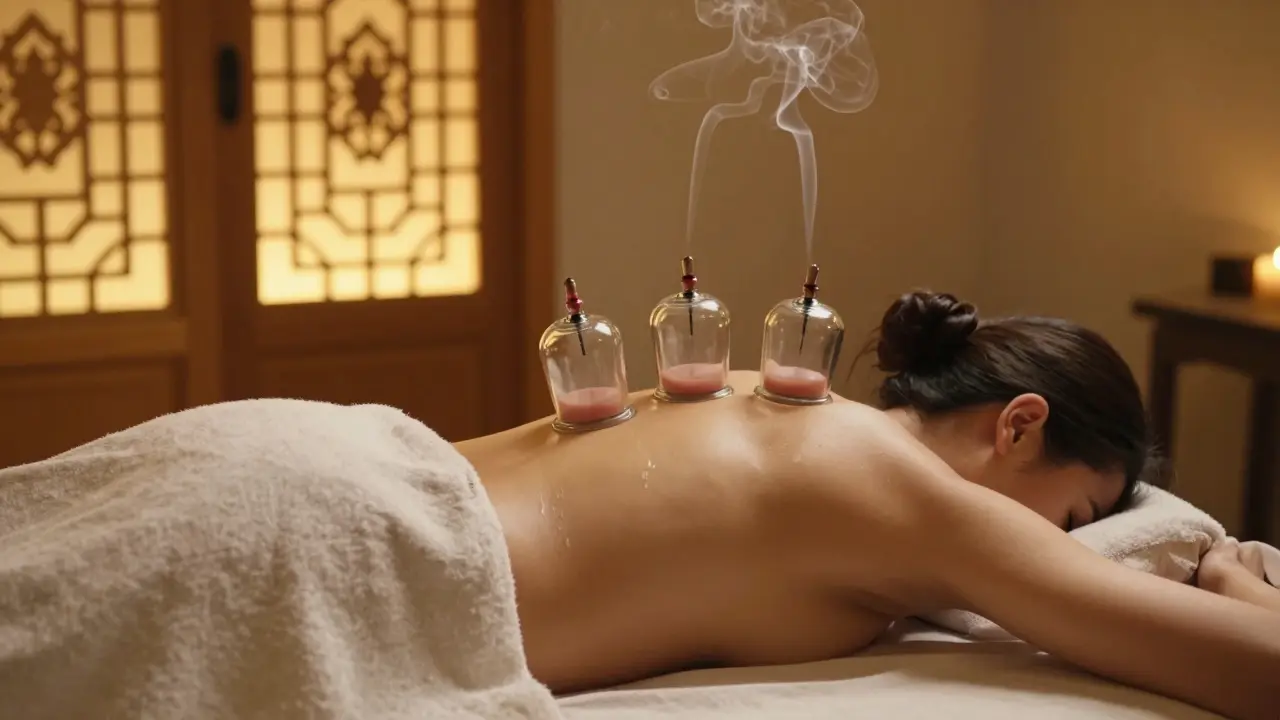
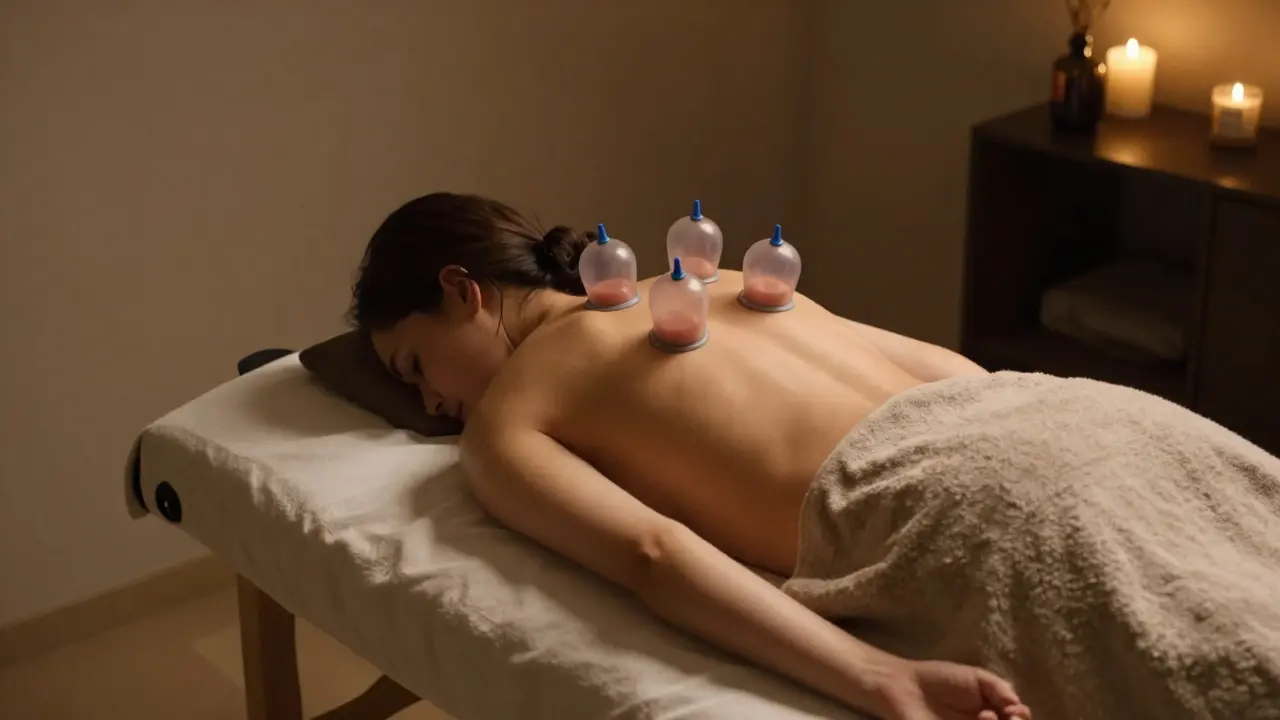
In Dubai, most cupping sessions happen in quiet, climate-controlled rooms-often in wellness centers or traditional hijama clinics. The environment is calm: soft lighting, minimal noise, and sometimes light aromatherapy. You’ll lie face-down or on your side, fully draped for comfort and privacy. The practitioner will clean the skin and apply silicone or glass cups. The whole process usually takes 20-40 minutes.
Key Processes or Steps
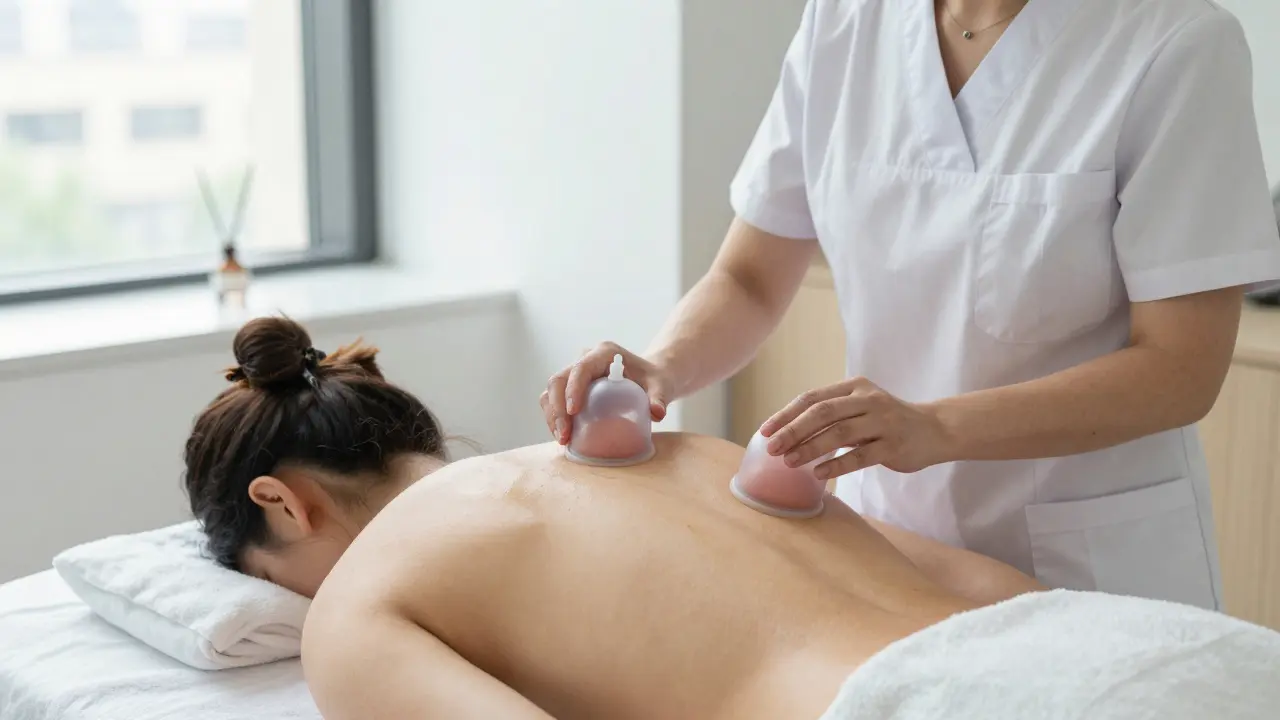
First, the skin is prepped. Then, the cups are placed and suction is created-either by heat (in traditional methods) or a manual pump (in modern ones). You’ll feel a gentle pulling sensation, like a mild vacuum. It shouldn’t hurt. After 5-15 minutes, the cups are removed. If it’s wet cupping, tiny superficial cuts are made, and a small amount of blood is drawn. The session ends with a warm towel and a moment to rest.
Customization Options
Cupping isn’t one-size-fits-all. The suction level can be adjusted based on your comfort. Areas treated can vary-back, shoulders, neck, legs-depending on your needs. Some clinics offer cupping with heat lamps or infrared to enhance circulation. Others combine it with essential oils or gentle stretching. Always communicate what feels right for you.
Communication and Preparation
Before your session, drink water. Avoid heavy meals or alcohol. Let your practitioner know if you’re on blood thinners, pregnant, or have any skin conditions. Don’t hide your medical history-it’s not judgment, it’s safety. Afterward, they’ll likely give you aftercare instructions. Listen closely.
What You Should NOT Do After Cupping
Avoid Cold Showers or Air Conditioning
Your pores are open after cupping. Cold water or a blast of AC can cause your body to tighten up, trapping toxins instead of releasing them. Wait at least 4-6 hours before taking a cold shower. Lukewarm water is fine. In Dubai’s heat, it’s tempting to jump into a pool or turn the AC up full blast-but hold off. Your body is in recovery mode, not cooling-down mode.
Don’t Exercise Immediately
It’s tempting to hit the gym after feeling "loose"-but intense movement can strain muscles that are still healing. Avoid weightlifting, HIIT, or long runs for at least 24 hours. Light walking or gentle stretching is okay. Think of your muscles like freshly planted seeds-they need time to settle before you start digging around them.
Avoid Alcohol and Caffeine
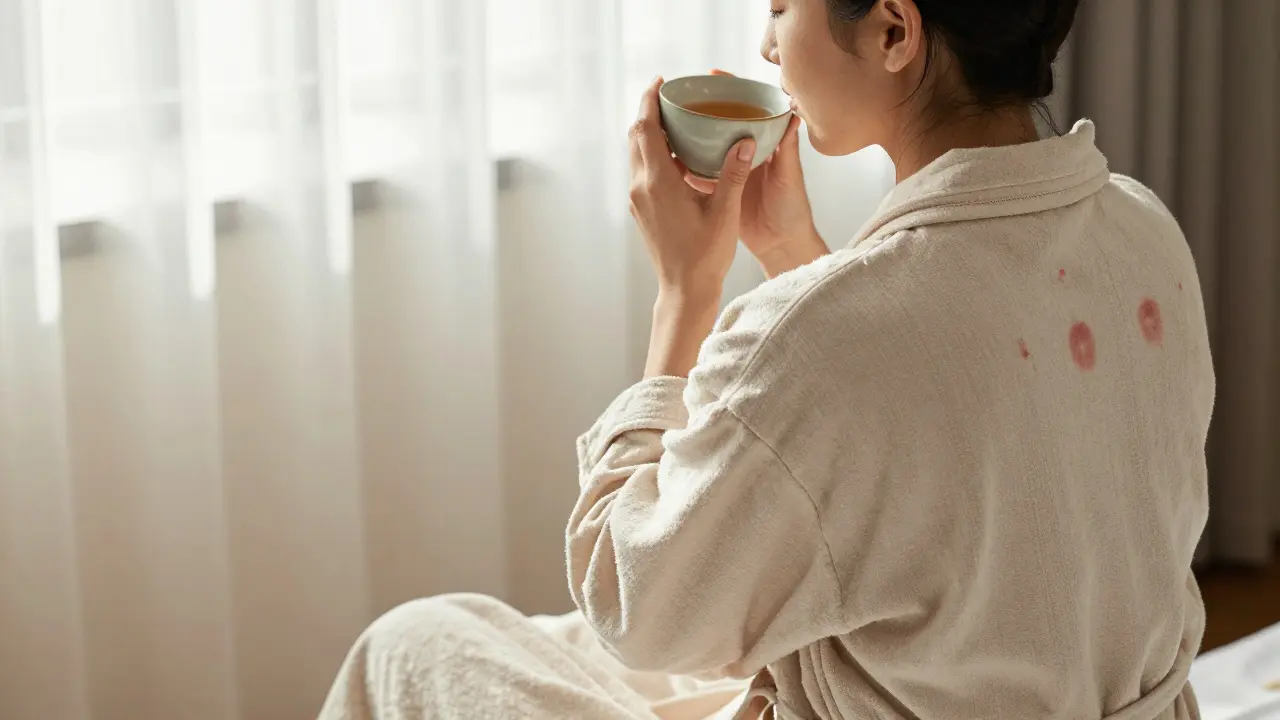
Alcohol dehydrates you and can increase inflammation. Caffeine stimulates your nervous system, which is the opposite of what cupping aims to do. Both interfere with your body’s natural healing rhythm. Skip the post-session cocktail or espresso. Stick to water, herbal teas, or coconut water.
Don’t Apply Lotions or Oils Right Away
Your skin is sensitive after cupping. Applying perfumed lotions, essential oils, or even heavy moisturizers can irritate the area or clog pores. Wait at least 12 hours before using anything on the marked areas. If your skin feels dry, use a light, fragrance-free cream-only after the marks have settled.
Avoid Sun Exposure
The skin under the cupping marks is more vulnerable to UV damage. Even a short walk in the sun can lead to hyperpigmentation or burning. If you must go outside, cover the areas with loose clothing. In Dubai’s intense sun, this isn’t optional-it’s essential.
Don’t Pick or Scratch the Marks
Those circles might itch as they fade. But scratching or peeling them off can cause infection or scarring. Let them fade naturally. They usually disappear in 3-10 days, depending on your circulation and skin type. Patience here is part of the healing.
Safety and Ethical Considerations
Choosing Qualified Practitioners
Not all cupping providers are created equal. In Dubai, look for licensed clinics with certified practitioners-especially if you’re considering wet cupping. Ask about their training, hygiene practices, and whether they use single-use, disposable cups. A reputable clinic will have clean, professional spaces and transparent procedures.
Safety Practices
| Practice | Purpose | Example |
|---|---|---|
| Use clean, sterile cups | Prevent infection | Single-use silicone cups or autoclaved glass |
| Disinfect skin before treatment | Reduce risk of contamination | Alcohol wipe on treatment area |
| Never cup over open wounds | Prevent bleeding or infection | Avoid areas with cuts, rashes, or recent tattoos |
| Check for contraindications | Ensure safety | Ask about blood thinners, pregnancy, or cancer history |
Setting Boundaries
Your comfort matters. If the suction feels too strong, say so. If you’re uncomfortable with wet cupping, ask for dry cupping instead. No practitioner should pressure you into anything. You have the right to pause or stop at any time.
Contraindications or Risks
Cupping isn’t safe for everyone. Avoid it if you have:
- Bleeding disorders like hemophilia
- Active skin infections or eczema
- Pregnancy (especially on the abdomen or lower back)
- Recent surgery or blood clots
- Severe heart disease or uncontrolled hypertension
If you’re unsure, consult your doctor. Cupping is generally safe-but not risk-free.
Enhancing Your Experience with Cupping
Add Complementary Practices
Pair cupping with gentle yoga, deep breathing, or a warm herbal tea. These support the relaxation response. Avoid combining it with intense massage or acupuncture on the same day-your body needs time to process each therapy.
Collaborative or Solo Engagement
Cupping is usually a solo experience, but many couples in Dubai enjoy booking back-to-back sessions. It’s a quiet, calming ritual you can share-even if you’re not talking. The shared calm afterward can be just as valuable as the treatment itself.
Using Tools or Props
After your session, keep a light wrap or scarf handy to cover the cupping marks if you go out. A warm water bottle on your back can help soothe lingering tension. Don’t buy expensive "cupping kits" unless you’re trained-home use without knowledge can do more harm than good.
Regular Engagement for Benefits
One session won’t fix chronic pain. Most people benefit from monthly sessions, or every 2-3 weeks if they’re active. Think of it like a tune-up for your body-not a one-time fix.
Finding Resources or Experts for Cupping
Researching Qualified Practitioners
In Dubai, check reviews on Google or trusted wellness platforms. Look for clinics with certified therapists who follow WHO hygiene guidelines. Ask if they’re trained in both dry and wet cupping. A good practitioner will ask you questions before starting-not just rush you into the treatment.
Online Guides and Communities
Reputable wellness sites like the American Massage Therapy Association (AMTA) or the International Cupping Therapy Society offer general guidelines. Avoid YouTube tutorials that show unsafe techniques. Stick to professional sources.
Legal or Cultural Considerations
In the UAE, hijama is widely accepted and practiced with cultural respect. Many clinics offer gender-specific practitioners for comfort. Always choose a place that honors your privacy and beliefs.
Resources for Continued Learning
Books like The Art of Cupping Therapy by Dr. Chen and Hijama: The Islamic Method of Cupping by Dr. Abdul Hadi offer clear, science-backed insights. Podcasts from licensed physiotherapists in the Gulf region also provide practical advice.
FAQ: Common Questions About Cupping
What should you not do after cupping?
After cupping, avoid cold showers, intense exercise, alcohol, caffeine, sun exposure, and applying lotions to the marked areas for at least 12-24 hours. Your skin is sensitive, and your body is actively healing. Rushing back into normal routines can undo the benefits. Instead, rest, hydrate, and keep the area covered and warm. The marks will fade naturally-don’t pick at them.
How long do cupping marks last?
Cupping marks typically last between 3 and 10 days, depending on your circulation, skin type, and how strong the suction was. Lighter marks fade faster; darker ones may take longer. They’re not bruises in the traditional sense-they’re signs of increased blood flow. If they last more than two weeks or become painful, consult your practitioner.
Is cupping safe for beginners?
Yes, cupping is safe for beginners when done by a trained professional. Start with dry cupping and mild suction. Avoid wet cupping unless you’ve had a consultation and understand the process. First-timers often feel a strange pulling sensation, but it shouldn’t hurt. Always communicate with your practitioner about pressure and comfort.
Can cupping help with back pain?
Many people find relief from chronic back pain after cupping. It increases blood flow to tight muscles, reduces inflammation, and helps release fascial restrictions. While it won’t fix structural issues like herniated discs, it’s a useful tool for managing muscle tension and improving mobility. Combine it with stretching and posture work for best results.
Does cupping detox the body?
The idea of "detoxing" through cupping is often overstated. Cupping doesn’t remove toxins from your organs or bloodstream. What it does is improve local circulation, which helps your body’s natural detox systems-like your liver and kidneys-work more efficiently. Think of it as helping your body do what it already does, just a little better.
Conclusion: Why Cupping is Worth Exploring
A Path to Calmer Days
Cupping isn’t a miracle cure. But for people dealing with stress, muscle tension, or recovery fatigue, it’s a gentle, effective tool. It doesn’t promise quick fixes-it offers space to heal.
Try It Mindfully
If you’re curious, start with one session. Choose a reputable clinic. Listen to your body. Don’t rush the recovery. The real benefit isn’t in the marks-it’s in the quiet moments after, when your shoulders finally drop and your breath slows.
Share Your Journey
Tried cupping? Share your experience in the comments-what surprised you, what helped, what you wish you’d known beforehand. Follow this blog for more wellness tips tailored to life in Dubai. And remember: your body knows how to heal. Sometimes, it just needs a little help.
Some links may be affiliate links, but all recommendations are based on research and quality.
Word count: 1,682
Suggested Images
- A calm, dimly lit cupping room in Dubai with soft lighting and a person lying face-down with cups on their back.
- Close-up of cupping marks on a forearm, showing circular reddish patterns with no visible injury.
- A person drinking herbal tea after a session, wrapped in a light robe, looking relaxed.
- A licensed practitioner using silicone cups on a client’s shoulder, wearing gloves and a clean uniform.
- A comparison photo: one side shows a person with tense shoulders, the other shows the same person smiling after a session.
Suggested Tables
- Comparison of Cupping vs. Similar Therapies (already included)
- Cupping Safety Tips (already included)
- Key Benefits of Cupping (Benefit, Description, Impact) - could be added in the Benefits section if needed.