What Should You Not Do After Cupping? Essential Do's and Don'ts for Safe Recovery
When you’re new to cupping, it’s easy to focus only on the session itself-what it feels like, the marks left behind, the immediate relief. But the real magic, and the real risk, happens after cupping. What you do-or don’t do-in the next 24 to 48 hours can make the difference between feeling refreshed and feeling worse. Many people skip aftercare because they assume the work is done. That’s a mistake. Cupping pulls blood to the surface, loosens tight tissues, and triggers your body’s natural healing response. If you ignore the recovery window, you can undo the benefits-or even cause harm.
Understanding the Basics of Cupping
Origins and History
Cupping therapy isn’t new. It’s been used for thousands of years across cultures-from ancient Egyptian papyri to traditional Chinese medicine and even early Greek texts. In the Middle East and Central Asia, it was often used to draw out "bad humors" or stagnant energy. Today, modern practitioners use it to improve circulation, reduce muscle tension, and support recovery from physical strain. In Dubai, where traditional wellness blends with contemporary spa culture, cupping has seen a major revival-not as a mystical ritual, but as a targeted therapy for athletes, desk workers, and anyone dealing with chronic pain.
Core Principles or Components
Cupping works by creating a vacuum on the skin using glass, silicone, or plastic cups. This suction pulls the skin and underlying tissue upward, increasing blood flow to the area. It’s not about "sucking out toxins"-that’s a myth. Instead, it’s a mechanical stimulus. The increased circulation brings oxygen and nutrients to the area, helps clear metabolic waste, and signals the nervous system to relax. Think of it like giving your muscles a gentle, deep massage from the inside out.
How It Differs from Related Practices
People often confuse cupping with acupuncture or massage. Here’s how it’s different:
| Practice | Key Feature | Primary Benefit |
|---|---|---|
| Cupping | Creates suction on skin surface | Increases local blood flow, releases fascial tension |
| Acupuncture | Inserts fine needles into specific points | Regulates energy flow (Qi), targets nerve pathways |
| Massage | Uses hands to compress and stroke tissue | Relaxes muscles, improves lymphatic drainage |
Who Can Benefit from Cupping?
Cupping isn’t for everyone, but it helps many. Athletes use it to recover from intense training. People with chronic neck or back pain find relief. Those with stress-related tension often feel calmer after a session. If you’re dealing with tight shoulders, stiff lower back, or even headaches tied to muscle tension, cupping can be a useful tool. But if you have bleeding disorders, are pregnant, or have open wounds, it’s not safe. Always check with a professional first.
Benefits of Cupping for Your Body
Stress Reduction
Cupping activates the parasympathetic nervous system-the part of your body that says, "It’s safe to relax." The gentle pulling sensation on the skin sends signals to your brain to lower cortisol levels. Many clients report feeling calm, even sleepy, right after a session. It’s not just psychological; studies show increased levels of endorphins and reduced muscle tension post-cupping. Think of it as a warm hug for your nervous system.
Enhanced Muscle Recovery
If you’ve ever felt sore after a workout, cupping can help. The suction draws blood to tight or overworked muscles, flushing out lactic acid and bringing in fresh oxygen. Unlike ice packs that numb pain, cupping actively encourages healing. Athletes in Dubai often schedule cupping after training sessions-not to fix injuries, but to speed up recovery and prevent them.
Emotional Well-Being
Chronic tension doesn’t just live in your muscles-it lives in your mind too. Many people notice that after a few cupping sessions, they sleep better, feel less irritable, and handle stress more calmly. It’s not a cure for anxiety, but it’s a powerful tool to reset your body’s stress response. One client in Jumeirah told me, "It’s like my body finally remembered how to breathe."
Practical Applications
Cupping isn’t just for pain. It’s used for:
- Reducing tension headaches
- Improving digestion by stimulating abdominal circulation
- Supporting respiratory health by loosening chest congestion
| Benefit | Description | Impact |
|---|---|---|
| Improved Circulation | Brings fresh blood to tissues | Speeds healing, reduces stiffness |
| Reduced Muscle Tightness | Releases fascial adhesions | Increases range of motion |
| Lowered Inflammation | Encourages natural anti-inflammatory response | Less chronic pain over time |
| Enhanced Relaxation | Triggers parasympathetic nervous system | Better sleep, less anxiety |
What to Expect When Engaging with Cupping
Setting or Context
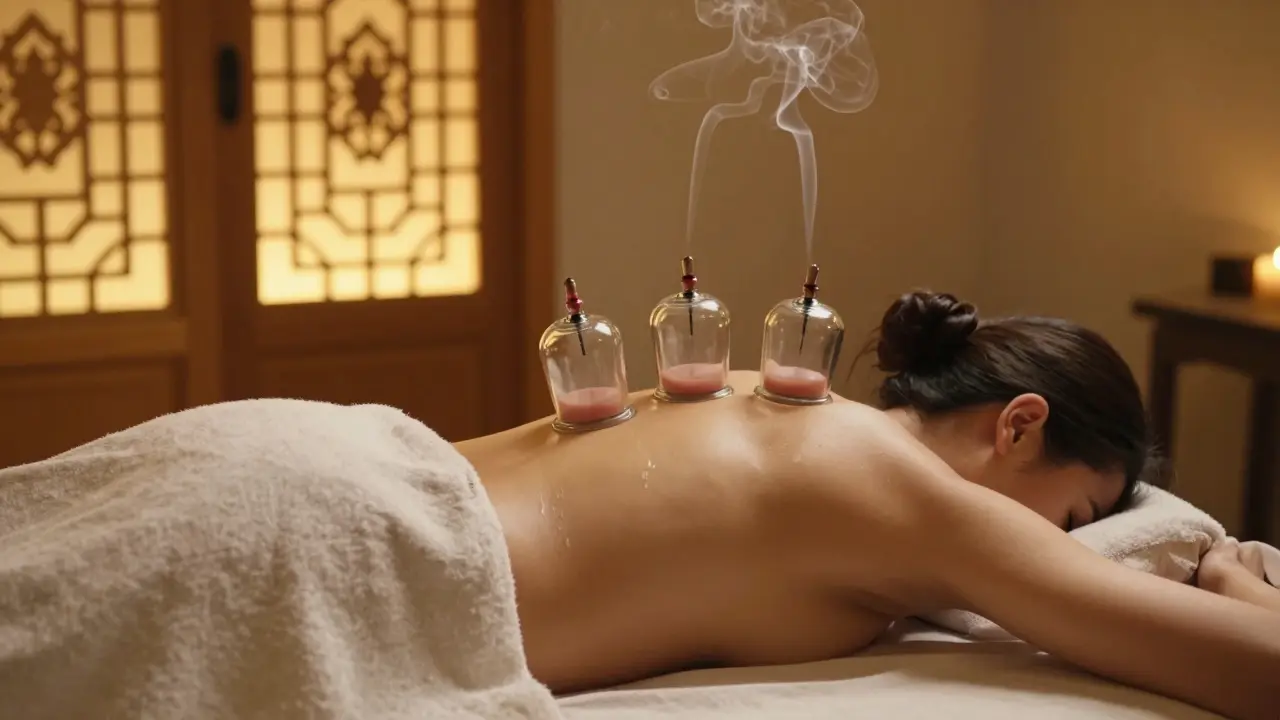
A good cupping session happens in a quiet, warm room-soft lighting, no distractions. In Dubai, many spas use traditional Arabic design elements: carved wooden screens, incense, and calming music. The environment matters. If you’re getting cupping in a busy clinic with loud TVs or rushed staff, reconsider. This isn’t a quick fix-it’s a recovery ritual.
Key Processes or Steps
Here’s what usually happens:
- You lie down, fully clothed or draped, depending on the area being treated.
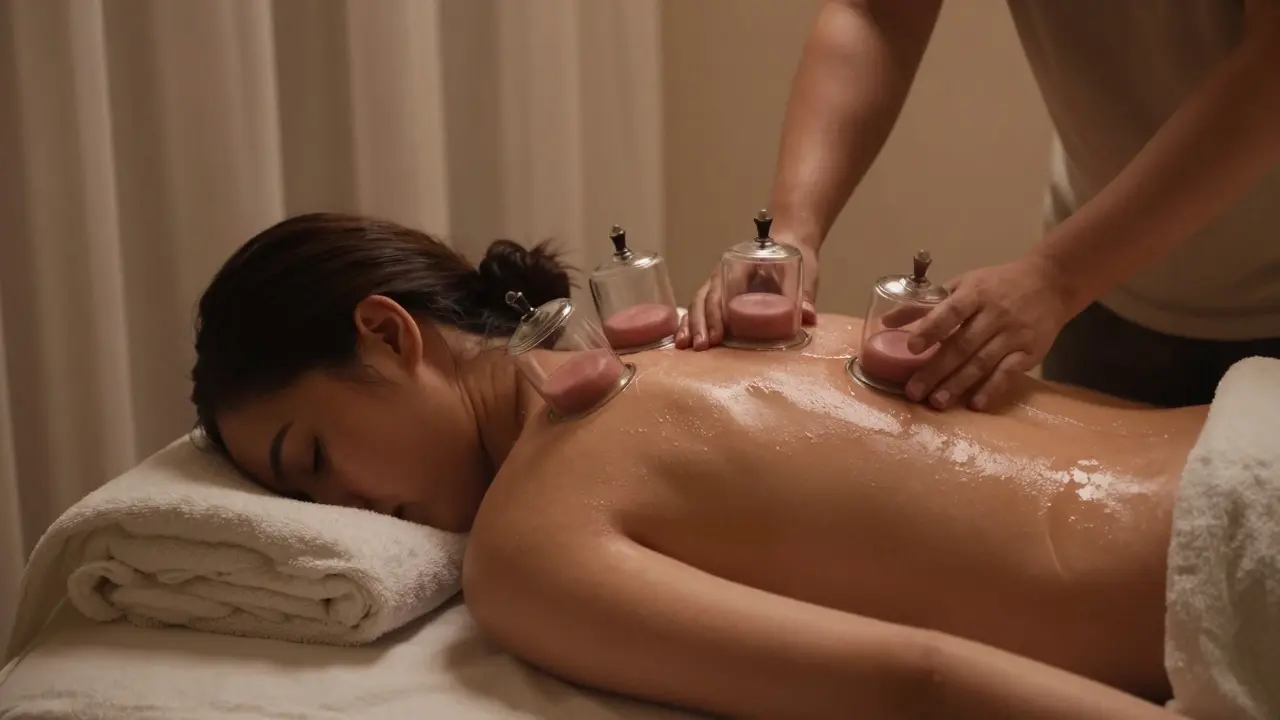
- The practitioner applies oil or lotion to help the cups glide.
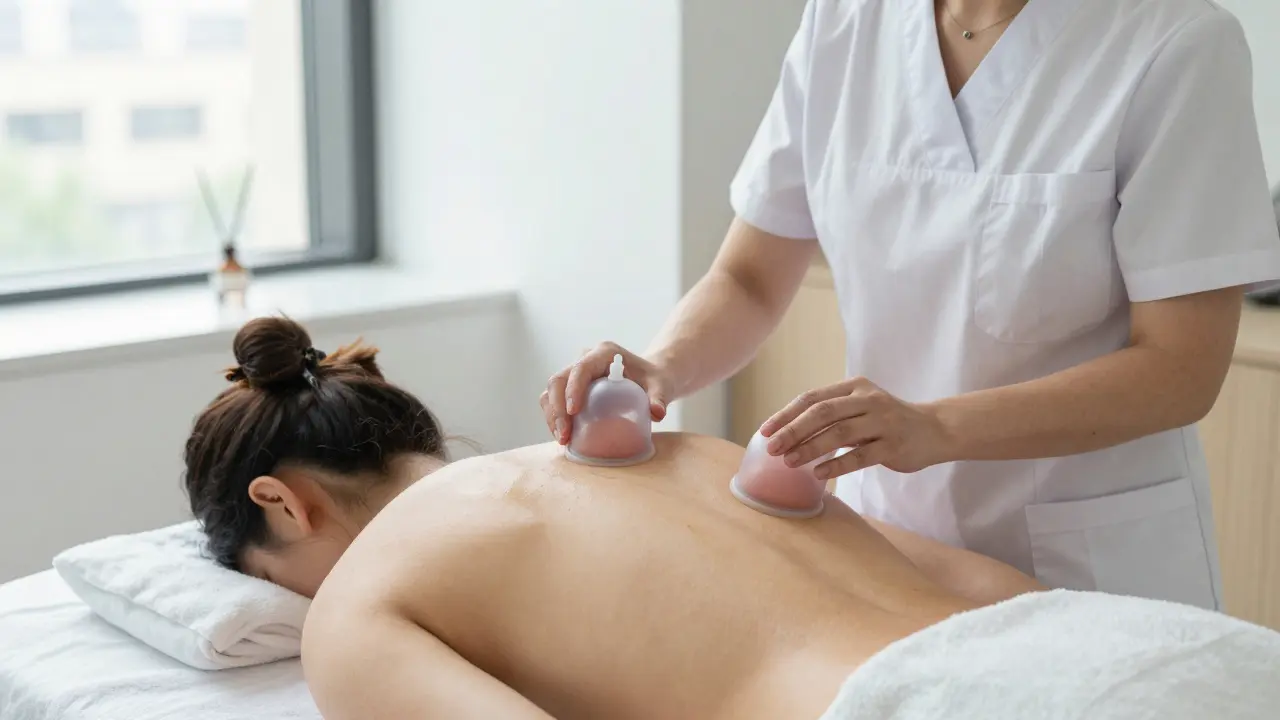
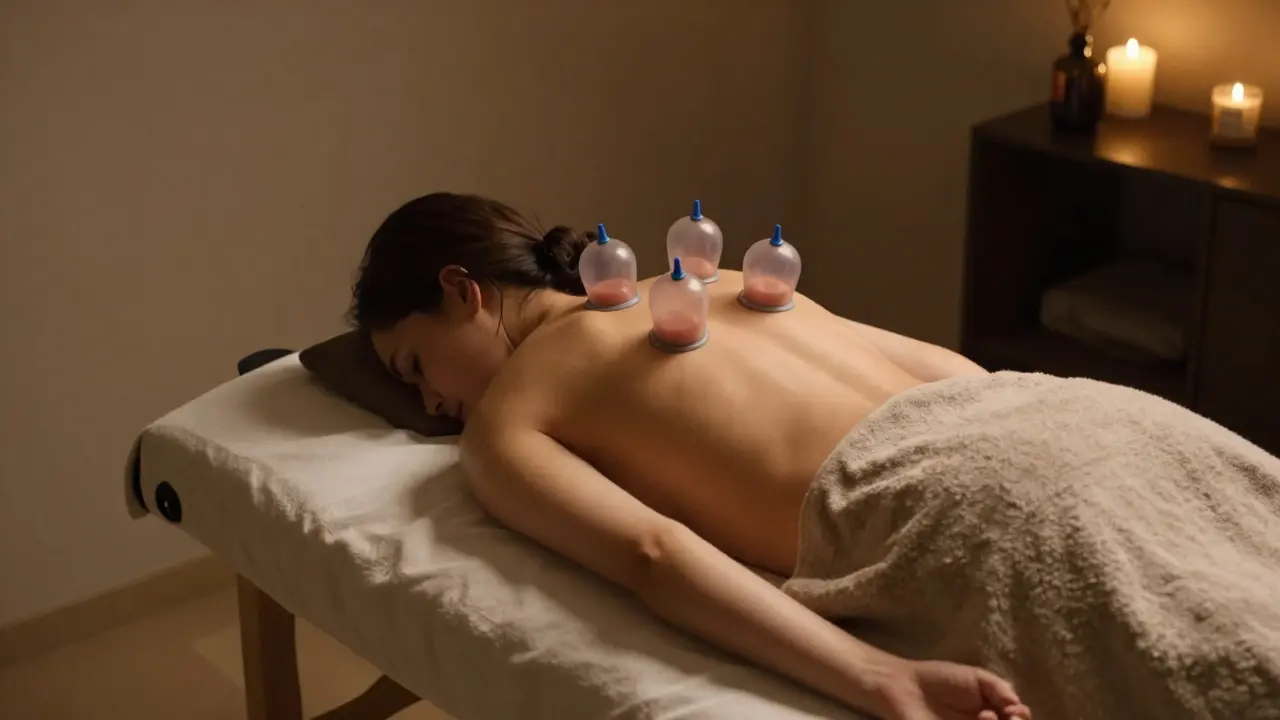
- Cups are placed on your skin and suction is created using heat or a manual pump.
- Cups stay on for 5 to 15 minutes, depending on your tolerance and condition.
- Cups are removed gently, and the skin is massaged lightly to encourage circulation.
You might hear a soft popping sound as the cups release. It’s normal. You won’t feel pain-just pressure and warmth.
Customization Options
Cupping isn’t one-size-fits-all. Dry cupping (static suction) is common for tension. Wet cupping (small incisions followed by suction) is used in traditional settings for detox-but only by licensed professionals and rarely in modern spas. Silicone cups are gentler for sensitive skin. Moving cups (gliding technique) work well for large muscle groups like the back. Always tell your practitioner if you’re sensitive to pressure or have scar tissue.
Communication and Preparation
Before your session, drink water. Avoid heavy meals or alcohol. Tell your practitioner if you’re on blood thinners, have diabetes, or are pregnant. Afterward, you’ll likely feel relaxed-but also a bit lightheaded. That’s normal. Don’t rush into your next meeting or drive immediately after.
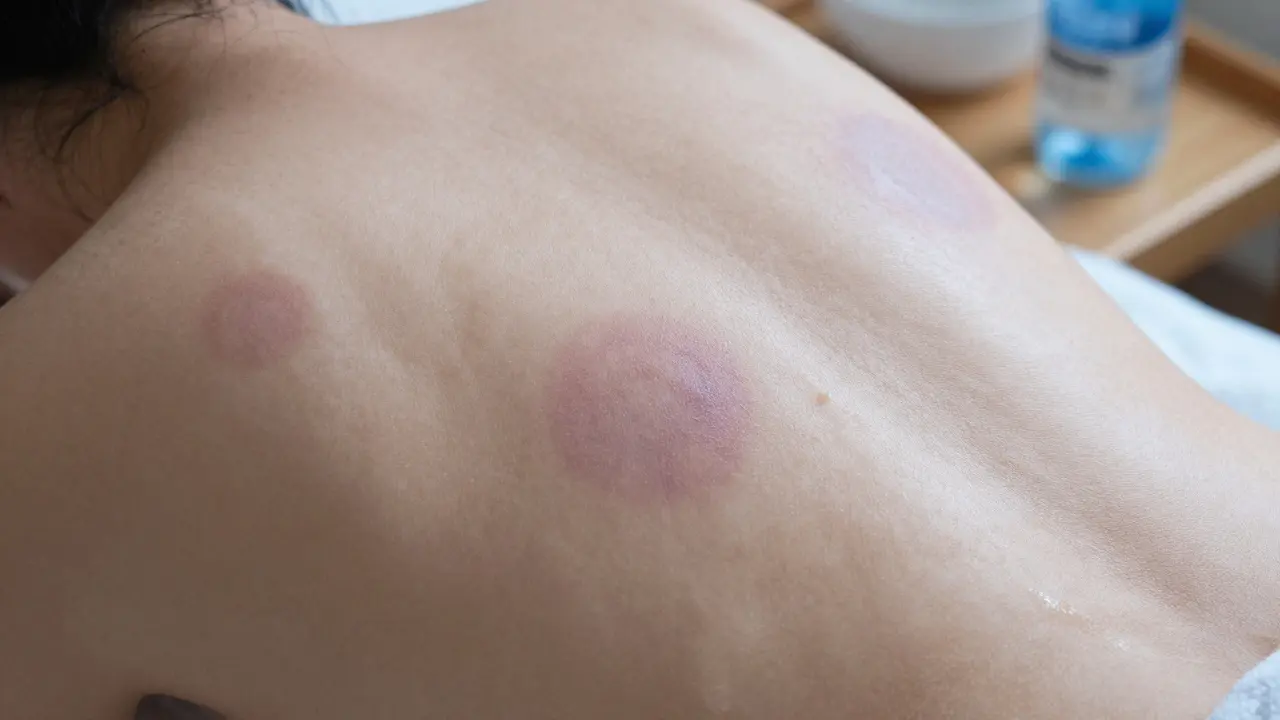
What Should You Not Do After Cupping?
Don’t Shower or Swim Immediately
Your skin is more sensitive after cupping. The suction opens up tiny capillaries near the surface. If you jump into a hot shower, sauna, or pool right away, you risk overstimulating the area. Cold water can cause the vessels to constrict too quickly, reducing the benefits. Wait at least 4 to 6 hours before showering. If you must wash, use lukewarm water and avoid harsh soaps on the cupped areas.
Don’t Expose Skin to Extreme Temperatures
After cupping, your skin is in recovery mode. Avoid direct sunlight, tanning beds, or ice packs on the treated areas. Sunburn on cupped skin can lead to hyperpigmentation or slow healing. Cold exposure-like stepping into AC too soon or holding an ice pack-can cause the blood vessels to shut down prematurely. Keep your body warm and avoid drafts. In Dubai’s climate, this means avoiding air conditioning blasts on your back or shoulders for the rest of the day.
Don’t Engage in Strenuous Exercise
Cupping increases blood flow to muscles. If you go for a run, lift weights, or do HIIT right after, you’re overloading the system. You might feel fine, but you’re risking inflammation or delayed soreness. Give your body 24 hours to process the therapy. Light walking is fine. Yoga? Only gentle stretches. Save the intense workout for the next day.
Don’t Drink Alcohol or Caffeine
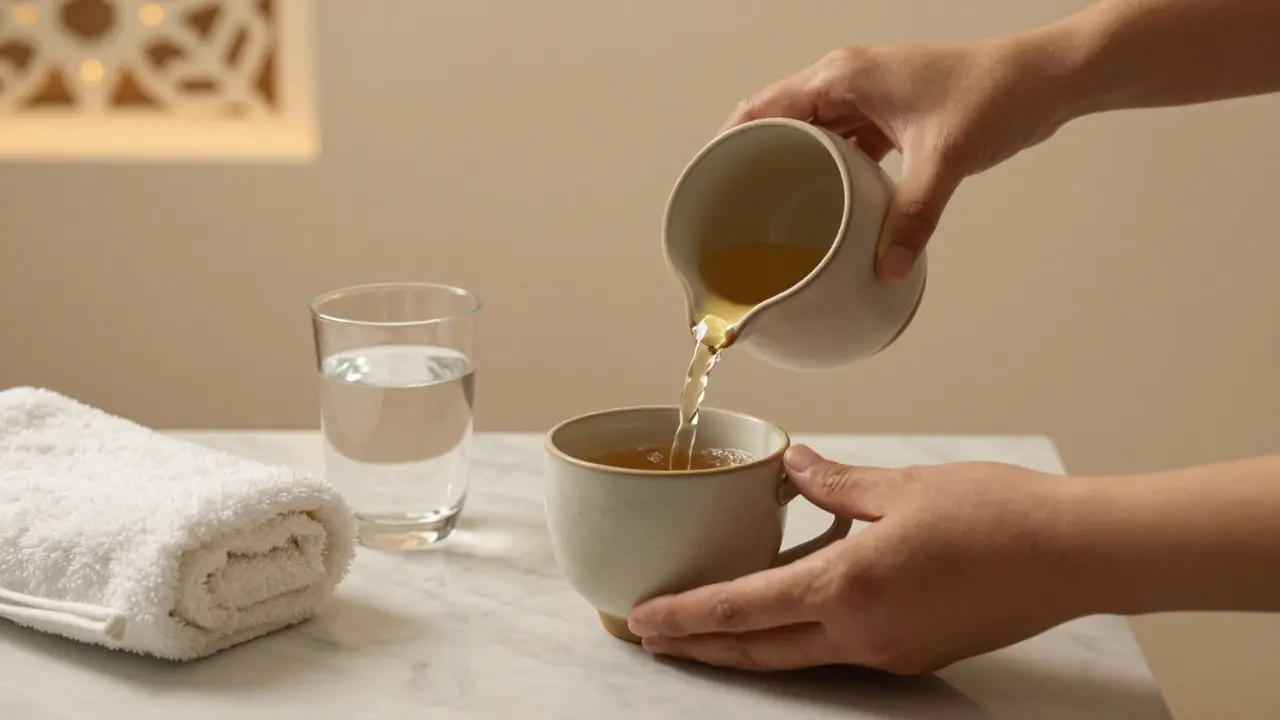
Alcohol dilates blood vessels and can increase bruising or swelling. Caffeine is a stimulant-it fights the calming effect cupping creates. You just gave your nervous system a break. Don’t sabotage it with a latte or a glass of wine. Stick to water, herbal teas, or electrolyte drinks for the next 24 hours.
Don’t Apply Lotions, Oils, or Essential Oils
Even natural oils like coconut or lavender can irritate the skin after cupping. The suction leaves micro-trauma on the surface. Adding oils too soon can trap heat, cause redness, or even trigger an allergic reaction. Wait at least 24 hours before applying anything topically. If your skin feels dry, use a plain, fragrance-free moisturizer only after the marks begin to fade.
Don’t Ignore the Marks
Cupping leaves circular marks-sometimes red, purple, or even dark brown. These aren’t bruises in the traditional sense. They’re signs of stagnant blood being pulled to the surface. But if the marks are extremely painful, last longer than 10 days, or spread beyond the cupped area, see a professional. That’s not normal. Also, don’t scratch or pick at them. Let them fade naturally.
Don’t Skip Hydration
This is one of the most overlooked rules. Cupping stimulates your lymphatic system and flushes metabolic waste. Without enough water, that waste can build up and cause fatigue, headaches, or muscle stiffness. Drink at least 2-3 liters of water over the next 24 hours. Add lemon or cucumber if you like. Your body will thank you.
Safety and Ethical Considerations
Choosing Qualified Practitioners
In Dubai, cupping is offered everywhere-from luxury spas to roadside clinics. Look for practitioners trained in physiotherapy, traditional medicine, or certified by recognized wellness bodies. Ask if they’ve had formal training. Don’t be afraid to ask about hygiene practices. Single-use cups? Clean surfaces? Gloves? If they hesitate, walk away.
Safety Practices
| Practice | Purpose | Example |
|---|---|---|
| Use clean, sterilized cups | Prevent infection | Single-use silicone or glass cups |
| Avoid cupping on open wounds | Prevent bleeding or infection | Never cup over cuts, burns, or rashes |
| Don’t cup over major arteries or bones | Prevent tissue damage | Avoid spine, collarbone, or kneecaps |
Setting Boundaries
You’re in control. If the suction hurts, say so. If you feel dizzy, ask them to stop. No good practitioner will pressure you. Your comfort is non-negotiable.
Contraindications or Risks
Cupping isn’t safe for everyone. Avoid it if you have:
- Bleeding disorders (like hemophilia)
- Thin or fragile skin (common in elderly or steroid users)
- Active infections or fever
- Pregnancy (especially on the lower back or abdomen)
- Severe heart conditions
If you’re unsure, talk to your doctor first. It’s better to be safe than sorry.
Enhancing Your Experience with Cupping
Adding Complementary Practices
Cupping works best with other recovery tools. Try gentle yoga, deep breathing, or a warm Epsom salt bath 24 hours after your session. Hydration and sleep are the real power duo. Many clients in Dubai pair cupping with aromatherapy or sound healing for deeper relaxation.
Collaborative or Solo Engagement
Cupping is usually a solo experience-but couples often book back-to-back sessions. It’s a quiet, shared ritual. No talking, just calm. Some find it bonding. Others prefer total solitude. Either way, honor what feels right for you.
Using Tools or Props
After your session, use a soft blanket to keep warm. A heated rice bag on your shoulders can help maintain circulation. Avoid electric heating pads-they’re too intense. Keep your environment calm and quiet for the rest of the day.
Regular Engagement for Benefits
One session won’t fix years of tension. Most people benefit from cupping every 2-4 weeks, depending on their needs. Athletes might go weekly during training. Others do it seasonally-like a reset in winter or after summer heat. Consistency matters more than intensity.
Finding Resources or Experts for Cupping
Researching Qualified Practitioners
Look for clinics affiliated with physiotherapy or integrative medicine centers. In Dubai, check reviews on Google or trusted wellness platforms. Ask if they’re certified by the Dubai Health Authority (DHA). Don’t rely on Instagram influencers-look for credentials, not aesthetics.
Online Guides and Communities
Reputable sources like the World Health Organization (WHO) and the American Physical Therapy Association offer general guidance on manual therapies. Avoid blogs that promise "miracle cures." Stick to evidence-based information.
Legal or Cultural Considerations
In the UAE, cupping is widely accepted and often integrated into traditional Arabic medicine. Many clinics offer it alongside Unani or Hijama therapy. As long as it’s done by licensed professionals, it’s legal and culturally respected. Always respect local norms-modest clothing, quiet spaces, and professional conduct are expected.
Resources for Continued Learning
Books like "The Cupping Therapy Bible" by Dr. David T. Bresler and "Traditional Chinese Medicine: A Comprehensive Guide" offer solid background. YouTube channels from accredited physiotherapy schools also have reliable demonstrations.
FAQ: Common Questions About Cupping
What should you not do after cupping?
After cupping, avoid hot showers, alcohol, caffeine, strenuous exercise, and applying oils or lotions to the treated areas for at least 24 hours. Don’t expose your skin to extreme temperatures-sun, ice, or AC blasts. Stay hydrated and rest. The marks you see are part of the healing process, not bruises to be worried about. Ignoring aftercare can reduce benefits or cause irritation.
How long do cupping marks last?
Typically, cupping marks fade within 3 to 10 days. Light pink marks disappear quickly. Darker purple or brown marks take longer, especially if you have slower circulation or were treated for deep tension. They’re not bruises caused by trauma-they’re pigment from blood drawn to the surface. Don’t pick or scratch them. If they last more than two weeks or spread, consult a professional.
Is cupping safe for beginners?
Yes, cupping is safe for beginners when done correctly. Start with light suction and short sessions (5-10 minutes). Choose a licensed practitioner who explains the process and checks your medical history. Avoid wet cupping or deep tissue work until you’ve had a few sessions. Many first-timers feel relaxed and pleasantly tired afterward. If you feel dizzy, lightheaded, or in pain, speak up immediately.
Can cupping help with back pain?
Many people find relief from chronic back pain with cupping. It helps release tight muscles, improve circulation, and reduce inflammation in the fascia. It’s especially effective for tension-related pain-not structural issues like herniated discs. For best results, combine cupping with stretching and posture correction. One client in Dubai with 5 years of lower back pain saw noticeable improvement after 4 weekly sessions.
Does cupping detox your body?
No, cupping doesn’t detox your body in the way some claim. Your liver and kidneys handle detoxification. Cupping improves local circulation and helps clear metabolic waste from muscles and soft tissues-like lactic acid or inflammatory byproducts. It’s not removing "toxins" from your bloodstream. The dark marks are not "poisons" being pulled out. That’s a myth. Think of it as cleaning up the neighborhood, not the whole city.
Conclusion: Why Cupping is Worth Exploring
A Path to Natural Recovery
Cupping isn’t a miracle cure, but it’s a powerful, natural tool for recovery. It’s not about painkillers or quick fixes-it’s about listening to your body and giving it what it needs to heal. Whether you’re an athlete, a parent, or someone tired of living with tight shoulders, cupping offers a quiet, effective way to reset.
Try It Mindfully
Don’t rush into it. Choose a qualified provider. Follow the aftercare rules. Stay hydrated. Rest. Let your body respond. You’ll feel the difference-not just in your muscles, but in your energy and calm.
Share Your Journey
Tried cupping? Share your experience in the comments-what worked, what didn’t. Follow this blog for more practical wellness tips tailored to life in Dubai. And remember: your body knows how to heal. Sometimes, it just needs a little help.
Some links may be affiliate links, but all recommendations are based on research and quality.
Word count: 1,678
Suggested Images
- A person lying comfortably on a massage table with glass cups on their back, soft lighting, calm spa setting
- Close-up of circular cupping marks on skin, natural light, no blood or injury visible
- Hands pouring warm water into a cup of herbal tea beside a towel and water bottle
- A serene Dubai spa room with Arabic décor, low lighting, and a single cup on a wooden tray
- Before-and-after photo sequence: tight shoulder muscles vs. relaxed posture after cupping
Suggested Tables
- Cupping vs. Other Therapies (already included)
- Key Benefits of Cupping (already included)
- Cupping Safety Tips (already included)