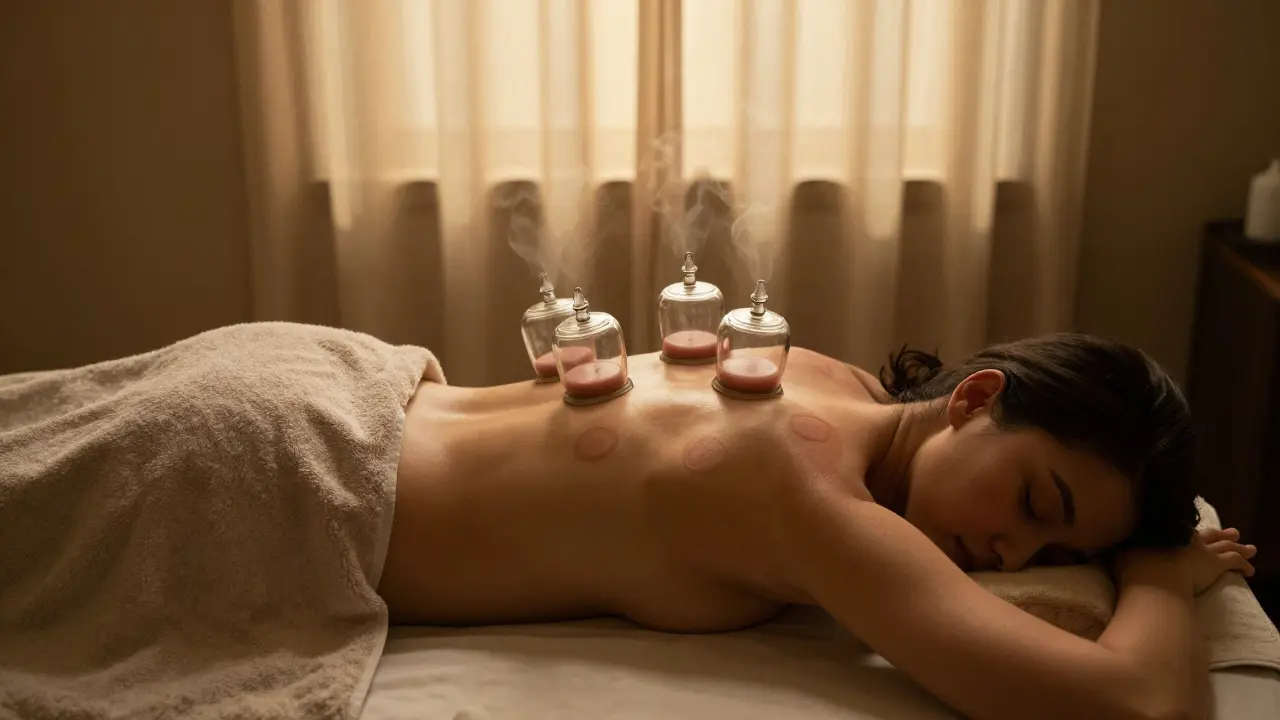
What Toxins Does Cupping Remove? The Science Behind the Marks
When people ask what toxins does cupping remove, they’re often coming from a place of hope - maybe they’ve seen the circular bruises on someone’s back and assumed it’s pulling out poison. The truth? Cupping doesn’t remove toxins the way a detox tea or sauna might. It doesn’t suck out heavy metals, lactic acid, or environmental pollutants. What it does do is create a local response in your tissues that may help your body heal itself better.
Cupping therapy has been used for thousands of years across cultures - from ancient Egyptian and Chinese medicine to modern spas in Dubai. Today, it’s popular among athletes, yoga practitioners, and people seeking relief from muscle tension. But if you’re wondering whether it’s a magic detox tool, you’re not alone. Let’s clear up the myths and look at what really happens under those glass or silicone cups.
Understanding the Basics of Cupping Therapy
Origins and History
Cupping goes back over 3,000 years. Ancient Egyptians used it around 1550 BCE, as noted in the Ebers Papyrus. In traditional Chinese medicine, it was used to balance qi - the body’s energy flow - and remove "dampness" or "stagnation." In the Middle East, it was called "hijama," often combined with small incisions to draw out blood. Today’s dry cupping - using suction only - is a modern adaptation that’s gentler and more widely accepted in wellness centers across Dubai and beyond.
It’s not a new fad. It’s a time-tested technique that evolved with culture and science. The cups were originally made from animal horns, bamboo, or ceramic. Now, you’ll find silicone, glass, or plastic versions in clinics and home kits.
Core Principles or Components
The basic idea behind cupping is simple: create negative pressure on the skin. This lifts the skin and underlying tissues upward, increasing blood flow to the area. The suction can range from light to deep, depending on the goal. Light suction is often used for relaxation; deeper suction targets tight muscles or fascia.
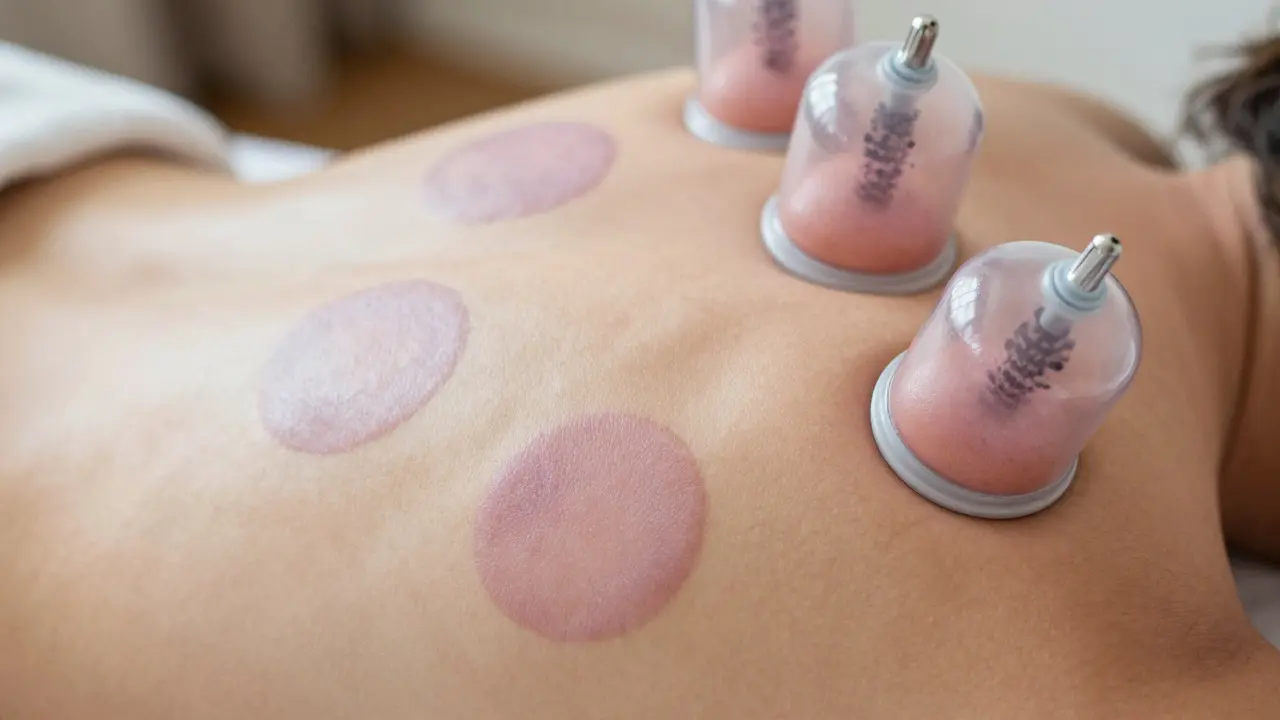
There are two main types: dry cupping (just suction) and wet cupping (suction plus minor skin punctures to draw a small amount of blood). Most spas in Dubai offer dry cupping. The cups are left on for 5 to 15 minutes. The marks you see afterward aren’t bruises from injury - they’re areas where capillaries have gently burst under pressure, causing localized redness or purple discoloration. These fade in a few days to a week.
How It Differs from Related Practices
Cupping is often confused with massage, acupuncture, or reflexology. Here’s how it’s different:
| Practice | Key Feature | Primary Benefit |
|---|---|---|
| Cupping | Creates suction to lift tissue | Improves circulation, reduces muscle tension |
| Massage | Applies direct pressure to muscles | Relaxes tight muscles, releases knots |
| Acupuncture | Inserts thin needles into points | Stimulates nervous system, balances energy |
| Reflexology | Applies pressure to feet/hands | Targets organs via mapped zones |
Cupping doesn’t target energy meridians like acupuncture, nor does it knead muscles like massage. It’s its own thing - a mechanical intervention that affects blood flow and tissue mobility.
Who Can Benefit from Cupping Therapy?
Cupping is commonly used by people dealing with:
- Chronic back or neck pain
- Tight shoulders from desk work
- Post-workout soreness
- Stress-related tension
- General stiffness from sedentary lifestyles
It’s not for everyone. People with bleeding disorders, skin infections, or open wounds should avoid it. Pregnant women should consult their provider before trying it. In Dubai, where many people lead active, high-stress lives, cupping has become a go-to for recovery and relaxation - not detox.
Benefits of Cupping Therapy for the Body
Improved Circulation
The suction pulls blood into the area under the cup. This isn’t about removing toxins - it’s about bringing fresh, oxygen-rich blood to tired or stiff tissues. Increased circulation helps deliver nutrients and remove metabolic waste naturally, through the body’s own lymphatic and circulatory systems.
Think of it like giving your muscles a gentle wake-up call. The area warms up, feels looser, and often feels better within hours. Research from the National Institutes of Health suggests that localized blood flow changes can reduce pain and promote healing - but not by flushing out poisons.
Reduced Muscle Tension
Cupping helps release fascia - the connective tissue that wraps around muscles. When fascia gets sticky from inactivity or injury, it pulls on surrounding structures and causes discomfort. The lifting action of the cup helps separate layers that have stuck together.
Many athletes in Dubai use cupping after training sessions. One runner I spoke with said, "It’s like my muscles finally got to breathe again." That’s not magic. It’s physics and biology working together.
Pain Relief and Nervous System Calming
Cupping stimulates sensory nerves in the skin. This sends signals to the brain that can override pain signals - a phenomenon called gate control theory. It’s similar to how rubbing a bumped elbow makes the pain feel less intense.
Plus, the ritual of lying still, breathing deeply, and feeling warmth under the cups activates the parasympathetic nervous system. That’s the "rest and digest" mode. Many people report feeling calm and even sleepy after a session - not because toxins left their body, but because their nervous system finally relaxed.
Enhanced Mobility and Recovery
People who sit all day at work or have stiff joints often notice improved range of motion after cupping. The increased blood flow and tissue release help loosen tight areas around the shoulders, hips, and spine.
| Benefit | Description | Impact |
|---|---|---|
| Improved circulation | Brings fresh blood to stiff areas | Supports natural healing |
| Reduced muscle tightness | Releases stuck fascia | Increases flexibility |
| Pain modulation | Interferes with pain signals | Less discomfort, better sleep |
| Stress reduction | Activates relaxation response | Lower cortisol, improved mood |
What to Expect When Engaging with Cupping Therapy
Setting or Context
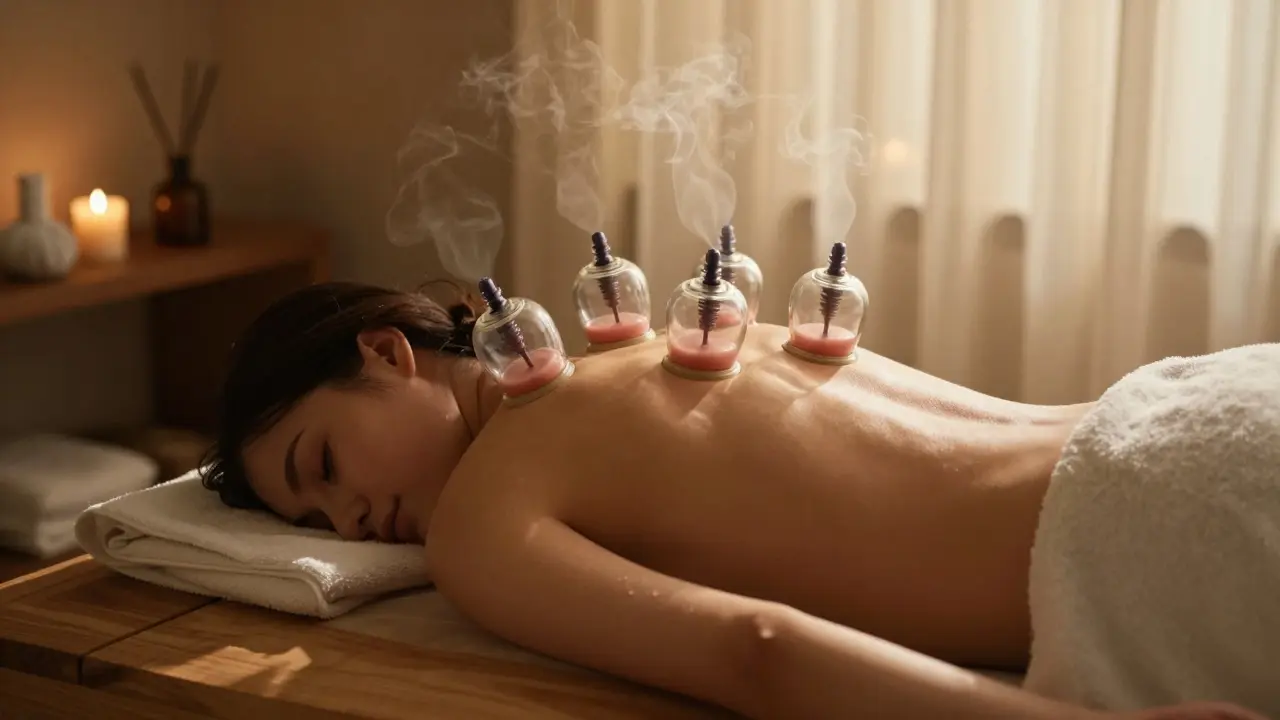
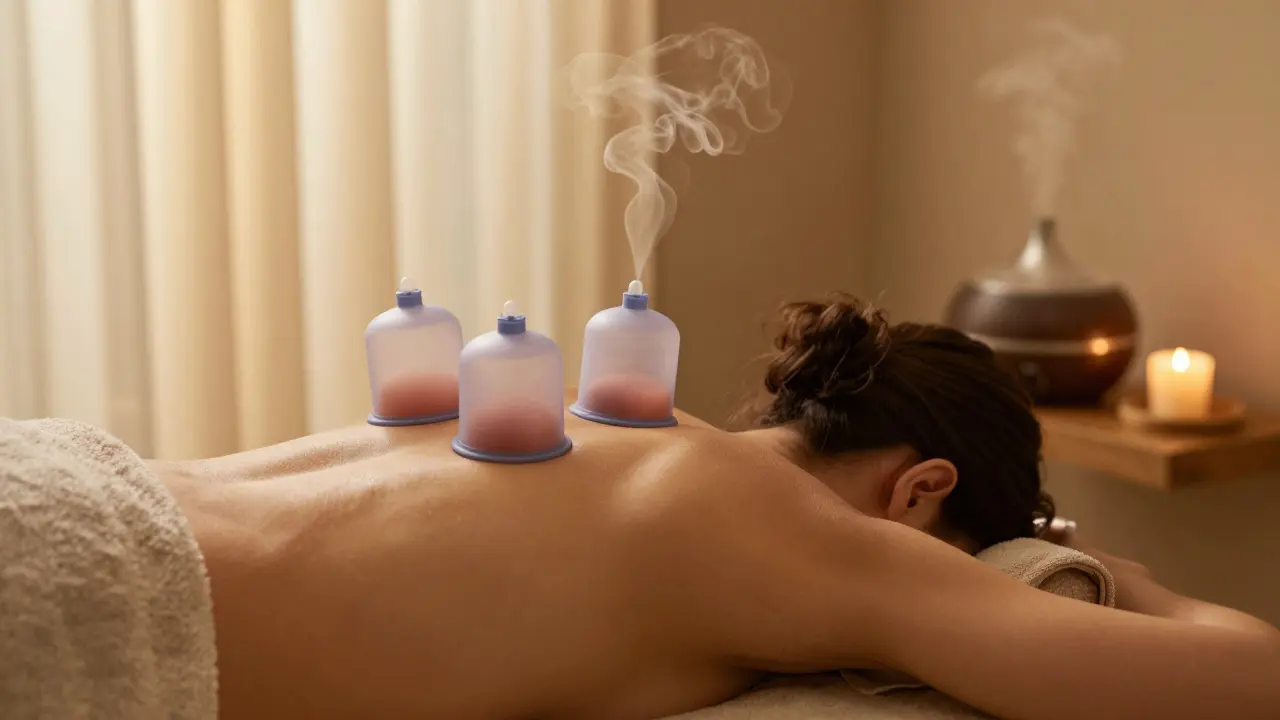
In Dubai, most cupping sessions happen in quiet, dimly lit spa rooms with soft music and warm oils. The therapist will ask you to lie face down or sit comfortably. You’ll be draped with a towel - only the area being treated is exposed. The room temperature is usually kept warm so your muscles stay relaxed.
There’s no strong smell of herbs or incense unless you request it. This isn’t a mystical ritual - it’s a therapeutic treatment. The cups are cleaned and sterilized between clients. Reputable spas use disposable gloves and single-use wipes.
Key Processes or Steps
A typical session goes like this:
- Consultation - the therapist asks about your pain, medical history, and goals.
- Preparation - oil or lotion is applied to help the cups glide.
- Cup placement - cups are placed on targeted areas (back, shoulders, legs).
- Suction - air is removed manually or with a pump to create pressure.
- Rest - cups stay on for 5-15 minutes while you relax.
- Removal - cups are gently lifted off.
- Aftercare - you’re offered water and advised to avoid cold showers or intense exercise for 24 hours.
Customization Options
Cupping isn’t one-size-fits-all. You can choose:
- Light suction for relaxation
- Medium suction for muscle release
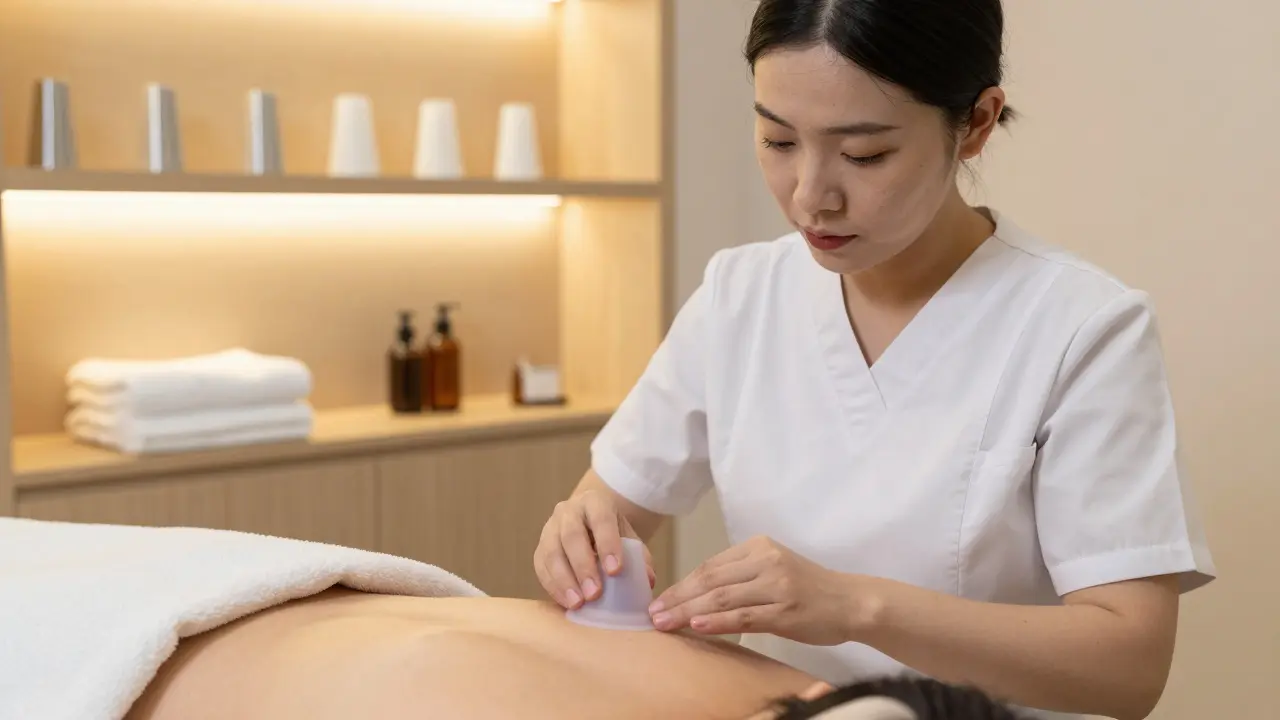
- Dynamic cupping - cups are moved slowly over the skin (like a massage)
- Targeted areas - back, neck, thighs, or even the scalp
Some therapists combine cupping with heat lamps or essential oils for added comfort. In Dubai, many spas offer a 60-minute package that includes cupping, a warm towel compress, and a short guided breathing exercise.
Communication and Preparation
Speak up. If the suction feels too strong, say so. Cupping should never hurt - it should feel like a deep, pulling pressure. If you’re nervous, ask to try it on a small area first, like your forearm.
Hydrate well before and after. Avoid heavy meals right before your session. Wear loose clothing you can easily move in.
How to Practice or Apply Cupping Therapy
Setting Up for Success
If you’re using a home cupping kit, pick a quiet, warm space. Have a towel, water, and a mirror handy. Use a silicone cup - they’re easier to control than glass. Always apply oil or lotion to reduce friction.
Never use cupping on broken skin, varicose veins, or over bony areas like the spine. Stick to large muscle groups: upper back, shoulders, thighs, calves.
Choosing the Right Tools
Not all cups are created equal. Look for:
- Medical-grade silicone (flexible and safe)
- Easy-grip pump systems
- Reusable, washable materials
- Clear instructions from a reputable brand
Avoid cheap plastic cups from unknown sellers. They can crack or create uneven suction. Brands like Cupping Therapy Co. and TheraCup are widely trusted in wellness circles.
Step-by-Step Guide
For beginners, here’s a simple routine:
- Apply massage oil to your back or thigh.
- Place the cup on the skin.
- Squeeze the bulb to create gentle suction - stop when you feel a mild pull.
- Leave it for 5-7 minutes.
- Press the release valve to let air in, then lift off slowly.
- Repeat on another area, but don’t do more than 3-4 spots per session.
Do this once or twice a week. Don’t overdo it. Your skin needs time to recover.
Tips for Beginners or Couples
First-timers often feel anxious about the marks. Remember: they’re harmless and fade. If you’re doing this with a partner, take turns applying cups - it’s a great way to bond and relax together. Keep the mood calm. Play soft music. Talk softly. It’s not a competition. It’s a shared moment of care.
Safety and Ethical Considerations
Choosing Qualified Practitioners
In Dubai, many spas employ certified therapists trained in traditional or modern cupping. Look for credentials from recognized bodies like the International Cupping Therapy Association or the Dubai Health Authority. Ask if they’ve completed formal training - not just a weekend workshop.
Read reviews. A good practitioner will explain what’s happening, answer your questions, and never pressure you into unnecessary treatments.
Safety Practices
| Practice | Purpose | Example |
|---|---|---|
| Use clean cups | Prevent infection | Steam or disinfect between clients |
| Don’t leave cups too long | Avoid skin damage | Max 15 minutes |
| Stay hydrated | Support natural detox | Drink water before and after |
| Avoid sun exposure | Prevent skin sensitivity | Wait 24 hours before tanning |
Setting Boundaries
You have the right to say "no" at any point. If the pressure feels too intense, if you feel dizzy, or if you’re uncomfortable with the setting - speak up. A good therapist will respect your limits.
Contraindications or Risks
Avoid cupping if you have:
- Bleeding disorders or are on blood thinners
- Severe skin conditions (eczema, psoriasis, open sores)
- Pregnancy (especially on the abdomen or lower back)
- History of blood clots or deep vein thrombosis
- Fever or acute infection
If you’re unsure, check with your doctor. Cupping is generally safe - but not for everyone.
Enhancing Your Experience with Cupping Therapy
Adding Complementary Practices
Cupping works best when paired with other wellness habits:
- Hydration - drink water before and after
- Mindful breathing - slow inhales and exhales during the session
- Light stretching - gently move your body after
- Warm baths - soothe muscles and promote circulation
Many people in Dubai combine cupping with infrared sauna sessions or aromatherapy for deeper relaxation.
Collaborative or Solo Engagement
You can do cupping alone with a kit - many people find it meditative. Or you can make it a shared ritual. Couples often use it as a way to unwind together after a long week. One person applies the cups while the other relaxes. It’s simple, quiet, and deeply connecting.
Using Tools or Props
Try these to improve your session:
- Heated rice bags - place on top of cups for warmth
- Essential oil rollers - apply lavender or eucalyptus before cupping
- Soft blankets - keep warm during and after
Regular Engagement for Benefits
Cupping isn’t a one-time fix. Like stretching or walking, its benefits build over time. Many people notice improved mobility and reduced tension after 3-4 sessions spaced a week apart. Consistency matters more than intensity.
Finding Resources or Experts for Cupping Therapy
Researching Qualified Practitioners
In Dubai, check with spas that are licensed by the Dubai Health Authority. Look for practitioners with certifications in integrative therapy or traditional Chinese medicine. Ask for before-and-after photos or client testimonials - not just marketing buzzwords.
Online Guides and Communities
Reputable websites like the National Institutes of Health and the Mayo Clinic offer general overviews of cupping. Avoid blogs that claim it cures cancer or detoxifies the liver - those are red flags.
Legal or Cultural Considerations
In the UAE, cupping is widely accepted and regulated. Licensed clinics follow strict hygiene standards. Be cautious of unlicensed practitioners offering "hijama" without proper training. Cultural respect means choosing providers who understand both tradition and modern safety.
Resources for Continued Learning
For deeper insight, check out:
- "The Complete Guide to Cupping Therapy" by Dr. John Upledger
- YouTube channels by licensed physiotherapists (search "evidence-based cupping")
- Workshops at Dubai Wellness Centers
FAQ: Common Questions About Cupping Therapy
What toxins does cupping remove?
Cupping doesn’t remove toxins like heavy metals, alcohol, or environmental pollutants. That’s a common myth. Instead, it increases blood flow to the area, helping your body’s natural systems - like the liver and kidneys - do their job more efficiently. The dark marks you see are broken capillaries, not "poison" being pulled out. Your body already has excellent detox systems; cupping just supports them by improving circulation and reducing tension.
What happens during a cupping session?
You lie down, and the therapist places cups on your skin, usually on your back or shoulders. Suction is created using a pump or heat, gently lifting the tissue. The cups stay on for 5-15 minutes while you relax. You might feel a mild pulling sensation - not pain. After removal, the skin may show circular marks that fade in a few days. Most people feel looser, warmer, and calmer afterward.
How does cupping differ from massage?
Massage applies direct pressure to compress muscles. Cupping lifts tissue upward with suction. Massage targets knots with hands; cupping targets fascia and circulation with vacuum pressure. Many people use both together - massage to release tension, cupping to improve blood flow. They’re complementary, not interchangeable.
Is cupping suitable for beginners?
Yes, absolutely. Start with light suction and short sessions (5 minutes). Many spas offer introductory packages. Use silicone cups at home if you’re comfortable. Don’t expect instant results - give it 2-3 sessions. Listen to your body. If you feel dizzy, lightheaded, or overly sore, stop and consult a professional.
Why do I get dark marks after cupping?
The marks aren’t bruises from injury - they’re tiny blood vessels that burst under pressure. Think of it like a controlled, localized bleed. The color depends on your circulation and how long the cup was applied. Light pink fades fast. Dark purple may take a week. It’s harmless and doesn’t mean you’re "detoxing" - it’s just your body’s natural response to suction. No one should be alarmed by them.
Conclusion: Why Cupping Therapy is Worth Exploring
A Path to Better Movement and Calm
Cupping isn’t a miracle cure. But for people dealing with tight muscles, stress, or chronic discomfort, it’s a gentle, non-invasive tool that works. It doesn’t remove toxins - it helps your body function better. That’s powerful enough.
Try It Mindfully
If you’re curious, start with one session at a reputable spa. Don’t rush into home kits without learning the basics. Let your body tell you what it needs.
Share Your Journey
Tried cupping? Share your experience in the comments - did the marks fade? Did you feel more relaxed? Follow this blog for more honest, science-backed wellness tips from Dubai.
Some links may be affiliate links, but all recommendations are based on research and quality.
Word count: 1,723
Suggested Images
- A person lying face down with glass cups on their back, soft lighting, relaxed expression
- Close-up of circular cupping marks on skin, natural tone, no blood or injury visible
- A spa therapist gently removing a silicone cup from a client’s shoulder
- Hand holding a set of silicone cups next to a bottle of massage oil and towel
- Two people relaxing in a quiet spa room, one with cups on back, the other reading a book
Suggested Tables
- Comparison of Cupping vs. Similar Therapies
- Key Benefits of Cupping Therapy
- Cupping Safety Tips

Emily Hutchis
December 27, 2025 AT 10:57Cupping doesn't remove toxins? Well that's a relief honestly. I used to think I was magically purging my body every time I got those purple circles. Turns out I was just giving my skin a little vacuum massage. Still feels amazing though. I don't need magic to feel better - just good ol' blood flow and muscle release. Also, the fact that it's been around for 3,000 years means it's doing something right. Not everything needs to be a detox trend to be valuable.
Jaime Rosenfeld
December 28, 2025 AT 04:59Yeah right and I'm the Queen of England. They're pulling out heavy metals and glyphosate and you think that's just 'blood flow'? The government and big pharma don't want you to know this. Cupping's been banned in 14 countries for a reason. Those marks? That's your liver screaming. They're covering it up with 'science' so you keep buying their $120 spa packages. Wake up sheeple.
Chloe Ulbick
December 29, 2025 AT 12:09OMG YES!!! I've been saying this for ages!!! 😊 Cupping isn't about detoxing, it's about releasing tension and improving circulation!! I got mine after a 12-hour shift and my shoulders felt like they were finally breathing again!!! 🙌 I used to think the marks meant I was 'cleansing' but now I know it's just my body saying 'thank you' for the extra love!! ❤️
Sanjeev Tankariya
December 30, 2025 AT 00:03It is interesting how the human mind seeks meaning in physical phenomena, especially when it comes to health. The idea that cupping 'removes toxins' is a modern myth born from our desire to externalize internal imbalance. The body, in its wisdom, already possesses intricate systems of filtration and regeneration - liver, kidneys, lymphatic network. Cupping, then, is not a removal tool but a catalyst - a mechanical nudge to awaken circulation, to stir the stagnant. It is not magic, nor is it pseudoscience. It is, simply, an ancient dialogue between pressure and tissue, remembered by the skin and honored by time.
Anshu Chauhan
December 30, 2025 AT 00:05Let's be clear. The article is misleading. If cupping doesn't remove toxins, then why do the marks appear exactly where people report 'toxic buildup'? There is a correlation. And correlation implies causation. Also, why do people feel better after? It's not placebo. The body is not a closed system. The skin is an organ of excretion. The marks are evidence of mobilized waste. The author is avoiding the truth because it contradicts mainstream medicine. That's not science. That's dogma.
Michelle Paine
December 31, 2025 AT 19:13Thank you for this meticulously researched and well-structured exposition. The distinction between myth and physiological mechanism is not only scientifically accurate but also ethically vital in an era of wellness misinformation. The emphasis on circulation, fascial release, and nervous system modulation is precisely the framework through which integrative medicine should engage with traditional modalities. I shall be sharing this with my clinical colleagues. 🙏
Michael Pergolini
January 2, 2026 AT 07:07I tried cupping once. Didn't believe in it. Thought it was just a trend. But after the session, I sat there in silence for ten minutes just... breathing. Like my body had finally stopped screaming. I didn't feel 'detoxed.' I felt... quiet. Like I'd been holding my breath for years and didn't even know it. That's the real benefit. Not the marks. Not the magic. Just stillness.
Abraham Delgado
January 2, 2026 AT 10:23They dont want you to know the truth the government is using the spa industry to hide the real toxins they pump into the water supply and the vaccines are full of heavy metals and cupping is the only thing that pulls it out you think the purple marks are from broken capillaries no theyre from the mercury leaving your body they dont want you to know this
Louise Tuazon
January 3, 2026 AT 06:20So many people are so passionate about this - and honestly, that’s beautiful. Whether you believe in detox or circulation or energy flow, what matters is that you’re listening to your body. I’ve had cupping, I’ve had massages, I’ve had acupuncture - and every time, I just feel a little more at home in my own skin. No need to fight over the science. If it helps you breathe easier, that’s enough. ❤️